
Last updated August 28, 2026
Free in-home measure and quote - PGT, CGI and CWS impact lines compared on your actual openings, style by style
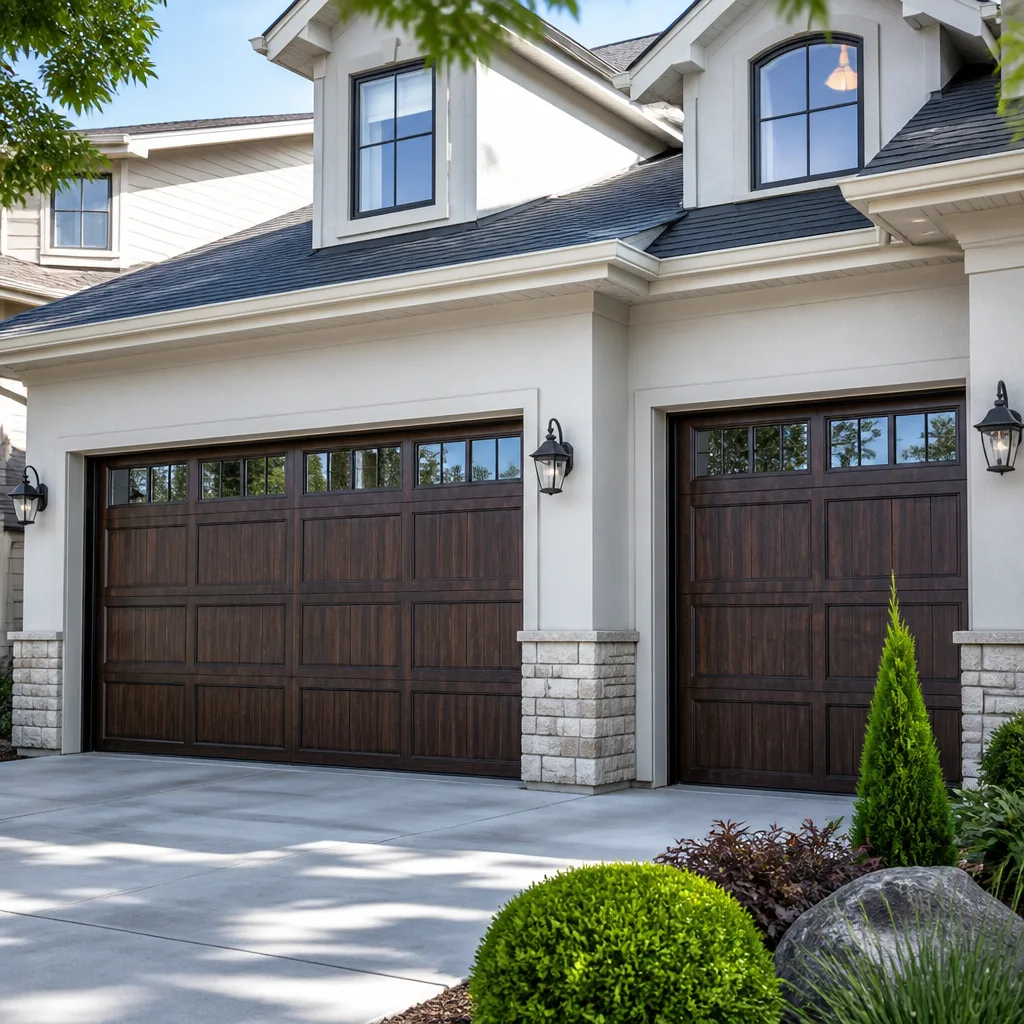

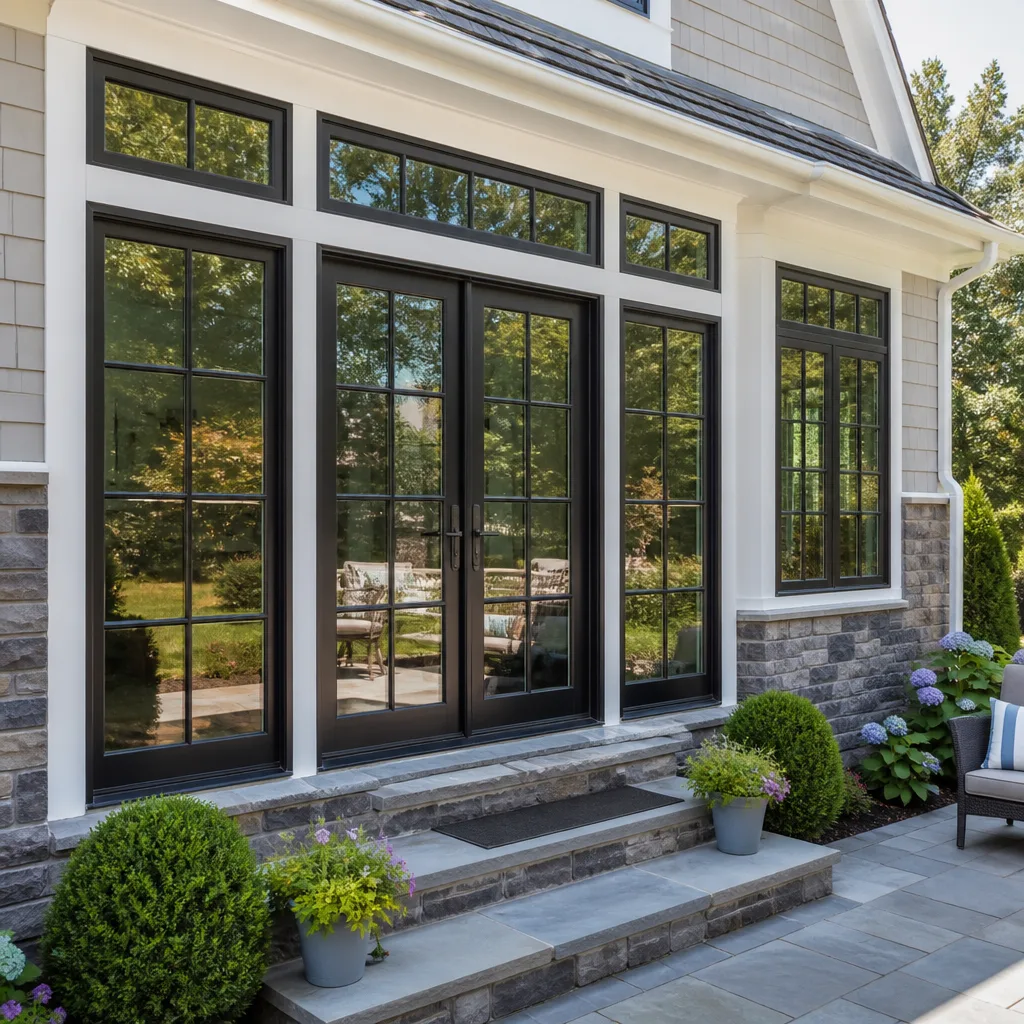
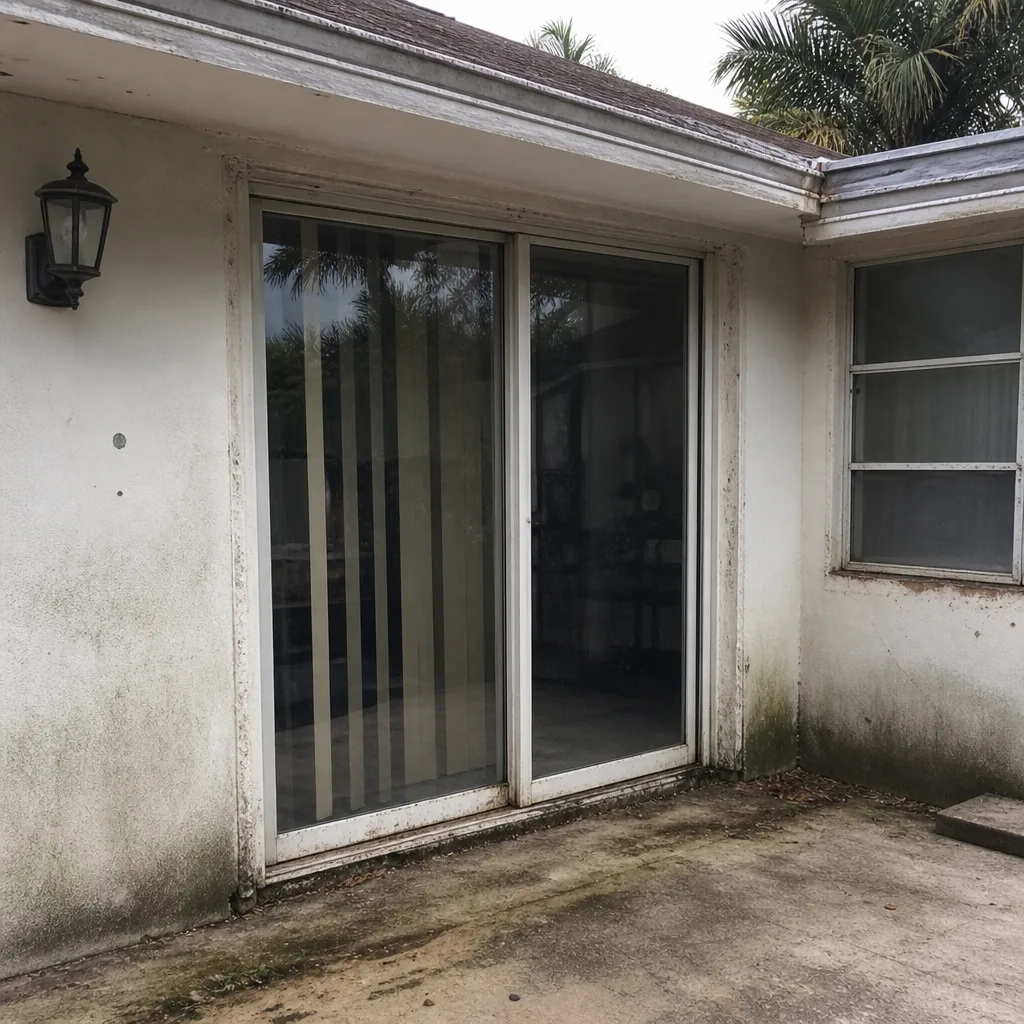 Before
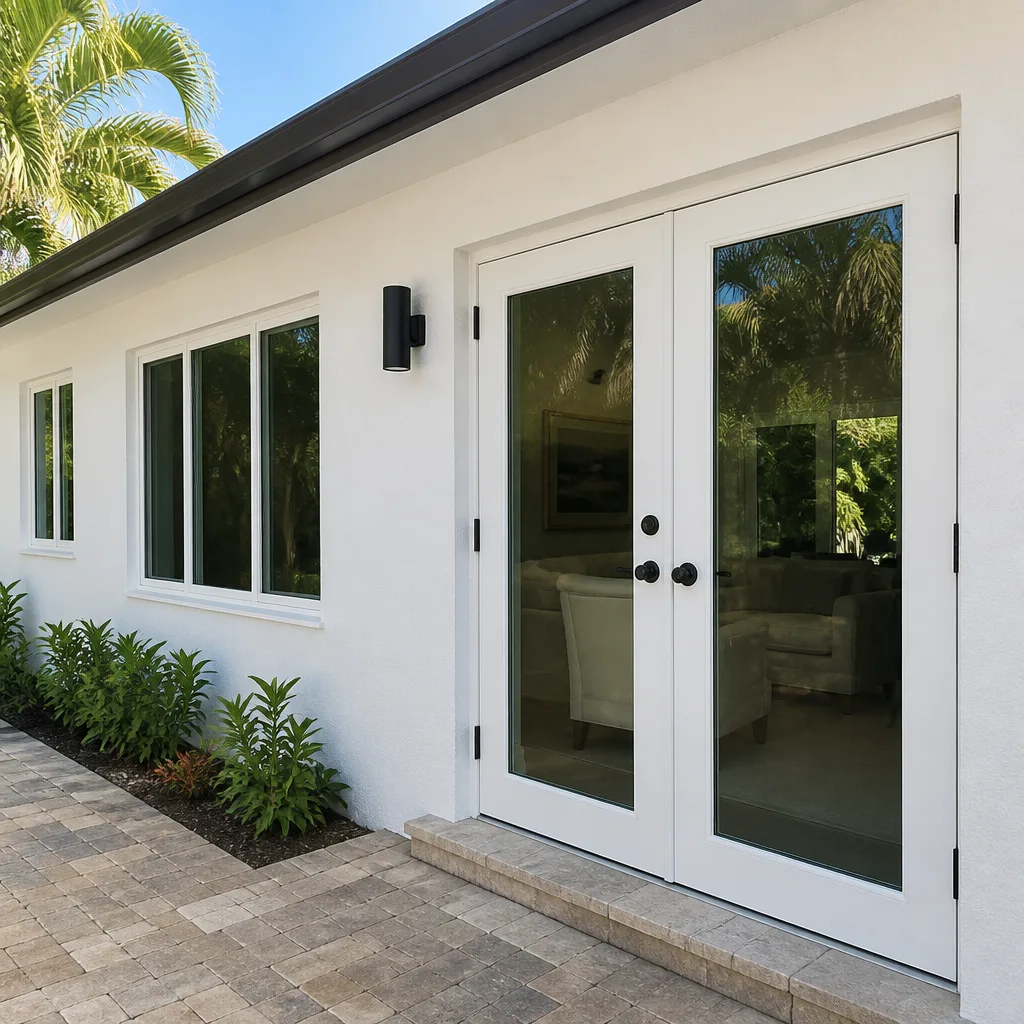 After
After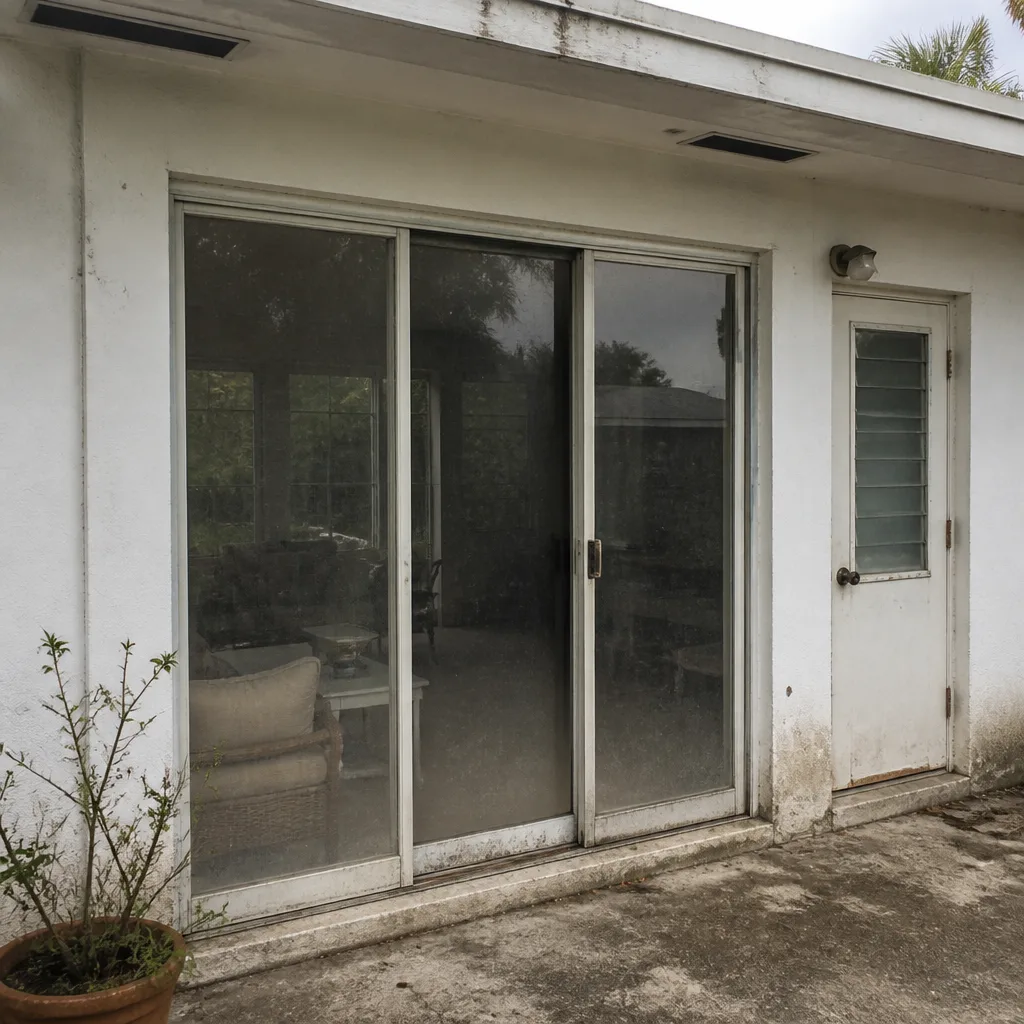 Before
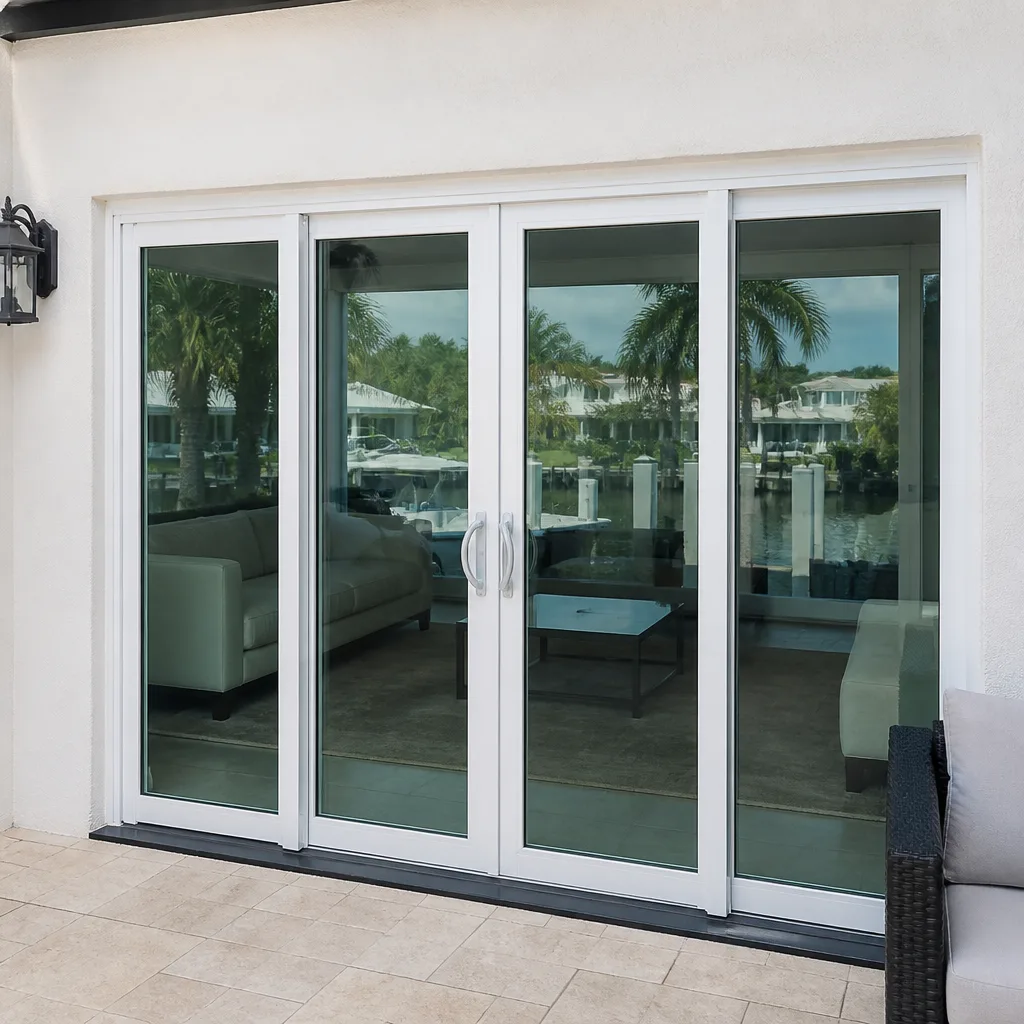 After
After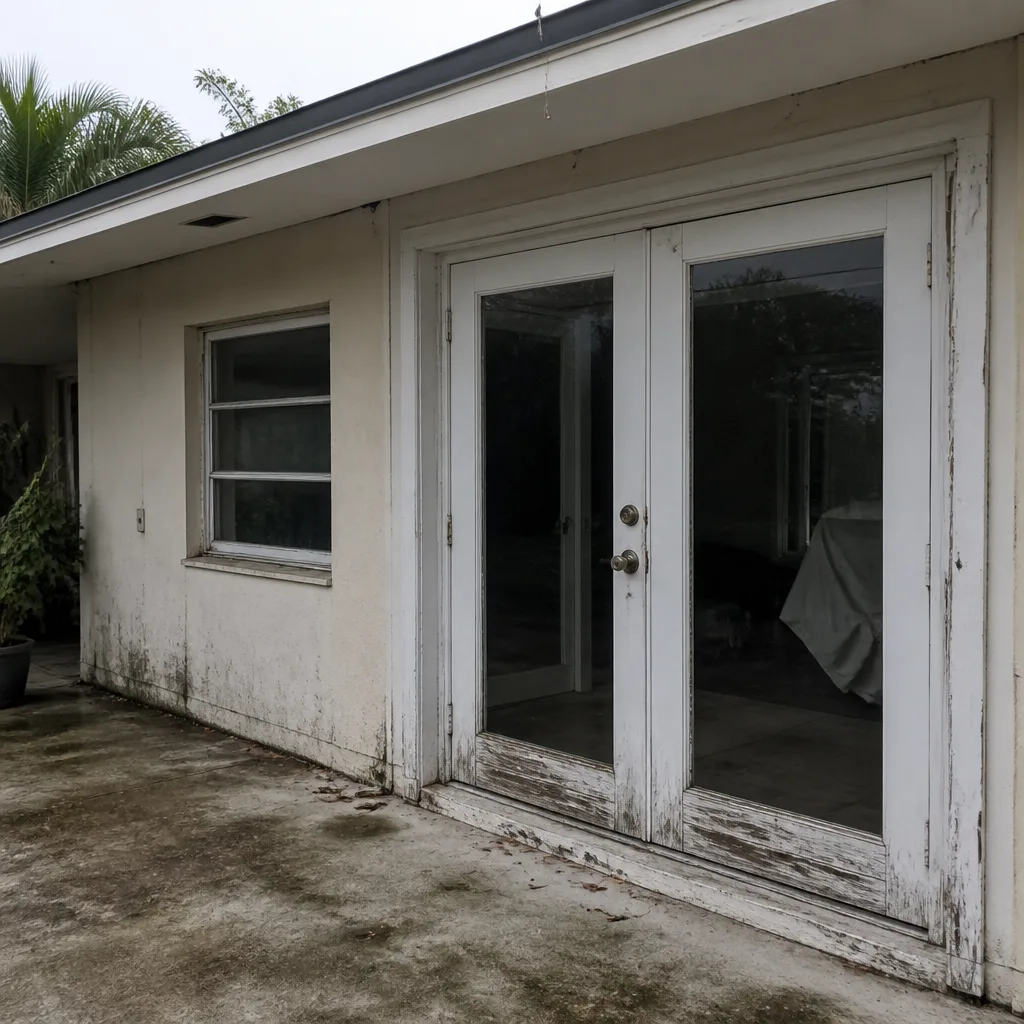 Before
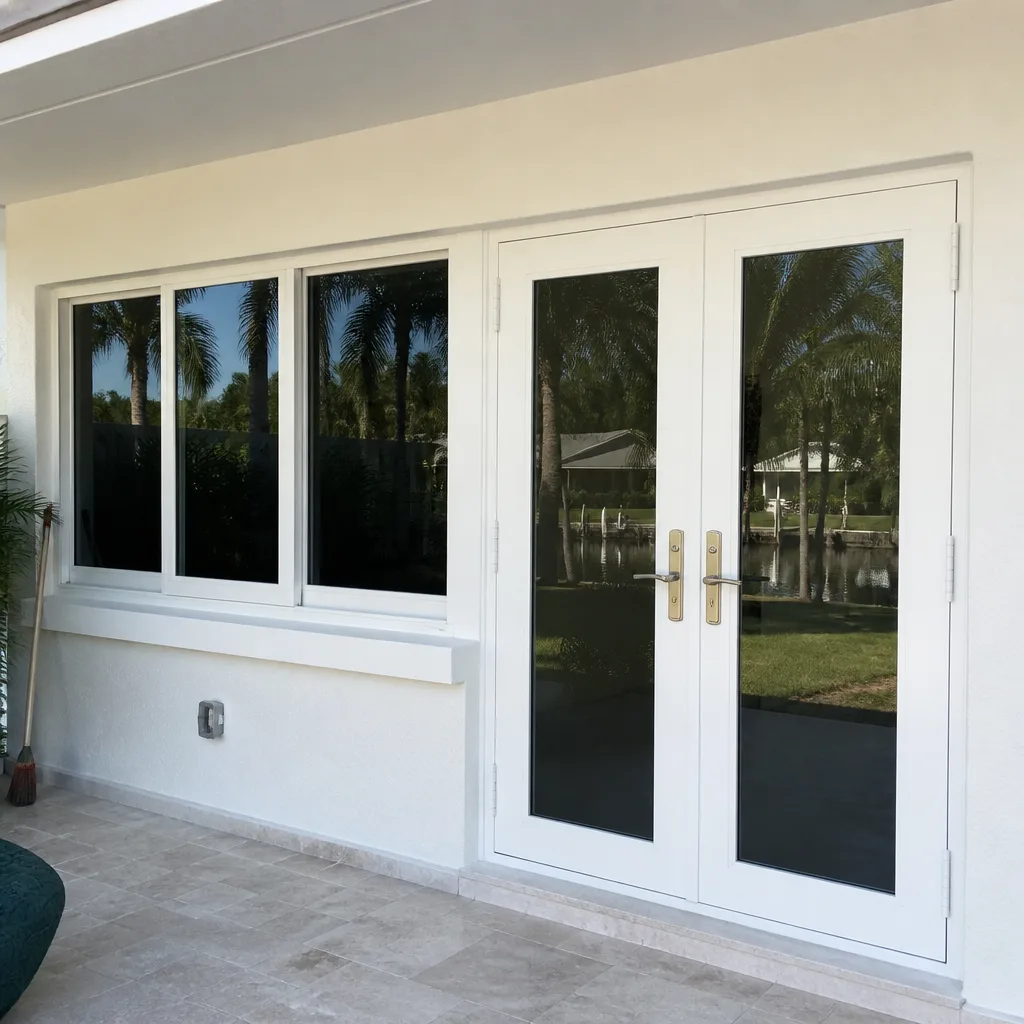 After
AfterWindows & Doors Permits, Codes & Inspections in FL: What You Need to Know
An unpermitted window replacement in Florida is classified as “open construction” on a property record. In Broward County, that notation can delay or derail a home sale even if the work itself was done correctly. Homeowners in Fort Lauderdale who skip the permit process to save a few hundred dollars often discover the real cost years later, when a title search, an insurance renewal, or a buyer’s inspector flags the work. This guide explains Florida’s window and door permit requirements, the inspection sequence in Broward County, the Florida Product Approval system, and how to fix unpermitted work before it becomes a legal and financial liability. For a broader look at the topic, see our Complete Guide to Windows & Doors in Fort Lauderdale.
Quick Answer
In Florida, most window and door replacements require a building permit, and the work must pass inspections before the permit is closed. Replacement-in-kind jobs that do not alter the opening size may qualify for a simplified permit path in some jurisdictions, but Broward County and Miami-Dade County apply stricter interpretation than most of the state. Products used in exterior openings must carry a Florida Product Approval number, and every permitted job in Broward County requires at minimum a final inspection. The permit protects the homeowner’s legal and financial position more than it burdens the contractor.
Table of Contents
- What Triggers a Permit for Windows and Doors in Florida
- What “In-Kind Replacement” Actually Means Under Florida Code
- Florida Product Approval and Notice of Acceptance: What the Numbers Mean
- Broward County vs. Miami-Dade: Where Fort Lauderdale Stands
- The Inspection Sequence for a Standard Window Replacement in Broward County
- How to Retroactively Permit Work Done Without a Permit
- What Permits and Inspections Cost in Fort Lauderdale
- Common Mistakes to Avoid
- When to Call a Professional
- Frequently Asked Questions
- The Bottom Line
What Triggers a Permit for Windows and Doors in Florida
Florida Building Code Section 105.1 sets the baseline: any construction, enlargement, alteration, repair, movement, or removal of a building or structure requires a permit. Window and door replacement falls squarely under “alteration.” The code does not carve out an exemption simply because the opening stays the same size. In practice, municipalities across Florida vary in how aggressively they enforce permit requirements for replacement work, and Fort Lauderdale sits inside Broward County, which enforces more strictly than many inland counties.
Here are the specific conditions that trigger a permit requirement:
- Any change to the rough opening size. Widening a window, narrowing a door rough opening, or altering the structural header means the framing changes, and that requires engineered review and a permit, full stop.
- Replacement of exterior windows or doors, even same-size. In Broward County, replacing a window with a like-size unit still requires a permit because the installation details, anchoring, and flashing must be inspected against current wind load requirements.
- Converting a window to a door or a door to a window. This changes the structural load path on the wall and requires an engineered plan.
- Adding any opening that did not previously exist. New construction, additions, or punching a new opening into an existing masonry or frame wall always requires a permit and, in most cases, a structural engineer’s signed plan.
- Replacing impact-rated glass after storm damage. Even if the damage is from a hurricane, the repair is a building alteration, and Broward County requires a permit before work begins. Emergency board-up and temporary protection do not require a permit, but the repair itself does.
What does not require a permit: replacing a broken glass pane within an existing sash, lubricating or adjusting hardware, replacing weatherstripping, or repainting. Replacing an entire window unit, including the frame, is a different matter. That distinction trips up homeowners regularly.
In Fort Lauderdale, a homeowner who pulls a permit as an owner-builder can perform the work on their own primary residence. However, if the home is rented, sold within one year, or if the owner does not live on the property, the state requires a licensed contractor to pull the permit and perform the work. The owner-builder exemption is real, but it is narrower than most people believe.
At Window Installation in Fort Lauderdale, we review the permit path with every homeowner before the first measurement is taken, because the permit defines what the inspector will check and what documentation must precede the install.
What “In-Kind Replacement” Actually Means Under Florida Code
Florida defines an in-kind replacement as replacing a window or door with a product of the same dimensions, the same type, and the same operation, without changing the rough opening or the structural attachment method. If the original window was a single-hung aluminum frame and the replacement is a single-hung aluminum frame of the same width and height, it can be classified as in-kind. If the replacement switches from aluminum to vinyl, from single-hung to casement, or from fixed glass to an operable sash, it is not in-kind.
The practical consequences of a true in-kind classification matter a great deal:
- Some Florida jurisdictions allow expedited or reduced-permit paths for in-kind work. Broward County does not eliminate the permit for in-kind replacement, but certain municipalities may allow a simplified application. Miami-Dade has its own set of administrative interpretations that do not bind Broward.
- In-kind replacement still requires a Florida Product Approval number. The product must be approved for use in the High Velocity Hurricane Zone (HVHZ) if the home sits east of the Intracoastal in Fort Lauderdale, because Broward County applies HVHZ requirements on the barrier island and coastal mainland areas.
- Changing from non-impact to impact glass is not in-kind. It changes the design pressure rating of the opening, the anchoring requirements, and the way the products are tested. In Broward County, that triggers the full permit path and a specific inspection for anchoring.
- A change from a fixed window to an egress window is not in-kind. Egress requirements exist for bedrooms and sleeping areas, and changing glass type or operation to meet egress is a material alteration.
We have corrected enough failed DIY in-kind jobs in Fort Lauderdale neighborhoods like Victoria Park and Coral Ridge to say this plainly: most homeowners do not know whether their replacement qualifies as in-kind until a licensed contractor checks the original product and the wall assembly. The determination has real code consequences, and guessing wrong is how open-construction notations appear on property records. The team at TruePane Windows & Doors home has handled enough of these to make the determination before the order goes to the manufacturer, not after the old window is out.
Florida Product Approval and Notice of Acceptance: What the Numbers Mean
Every exterior window and door manufactured for installation in Florida must be tested and approved under Florida Building Code protocols. The approval document is called a Notice of Acceptance, or NOA, and it carries a specific Florida Product Approval number. Products approved for Miami-Dade and Broward County carry an NOA that certifies compliance with High Velocity Hurricane Zone standards, which are the strictest wind load and impact test requirements in the state.
A Florida Product Approval number is not a marketing badge. It is a legal scope of approval. The number corresponds to a specific product configuration, including frame material, glass type, impact rating, size range, and anchoring method. When a window is permitted, the permit application and the product specification must match the NOA. The inspector will check that the product installed is the product permitted, and Florida law requires a copy of the NOA to be available on the job site at the time of inspection.
Here is how the approval number functions across the permit lifecycle:
- At permit application: the contractor or homeowner must identify the product approval number for each window or door line used in the job. Multiple product lines mean multiple approval numbers.
- At material verification: before the inspector arrives, the installed units must match the permitted specifications: brand, product line, size, glass type, and design pressure rating.
- At final inspection: the inspector verifies the NOA number against the product labels affixed to the window or door frames. Those labels are permanent, and removing them can cause an inspection failure.
- After permit closeout: the NOA number and product approval record become part of the property’s permit history, which is what future buyers and insurers will review.
- Permit application requirements differ in wording. Broward County municipalities, including Fort Lauderdale, require the same core documentation as Miami-Dade: a permit application, product approval numbers, wind load calculations where required, and site-specific opening schedules. But Broward’s building department language and forms are its own.
- HVHZ boundaries are not identical. In Broward County, the High Velocity Hurricane Zone applies to coastal areas east of the Intracoastal Waterway and, in some municipalities, extends further inland. A home in Fort Lauderdale’s Rio Vista neighborhood may be subject to different loading requirements than a home in Plantation, five miles west.
- Inspection sequencing and which inspectors attend are municipal decisions. Fort Lauderdale’s building department schedules and performs inspections separately from Broward County’s overall oversight, and the order of inspections can differ slightly from Miami-Dade practice.
- Retroactive permit paths differ. Miami-Dade has specific administrative processes for addressing unpermitted work that Broward does not automatically mirror. A homeowner who moves from a Miami-Dade property to a Fort Lauderdale property should not assume the same remediation process applies.
- Permit issuance. The permit application, product approval numbers, and any required engineered details are submitted and approved. Work cannot begin until the permit is issued, not just applied for.
- Existing conditions verification (when required). For some replacement jobs, particularly when wood framing is involved, the inspector may require a look at the existing rough opening before new windows are set. This is sometimes called a pre-inspection or existing conditions check and is not required on every job.
- Rough-in inspection (when required). If the opening size changes, if new framing is added, or if the wall assembly is modified, the inspector checks the rough opening, header, sill, and anchoring method before the window is installed. For true same-size replacements with no framing changes, Broward County generally does not require a rough-in inspection.
- Framing inspection (when applicable). If new framing was required, the framing inspection verifies structural compliance, connection details, and load path. This happens before insulation and drywall close the wall, if applicable.
- Final inspection. This is the non-negotiable step. The inspector verifies the installed products match the permit specifications and NOA numbers, checks the anchoring and flashing details, confirms the labels are present, and signs off. The permit is then closed, and the job is complete in the eyes of the building department.
- Stop and document what exists. The homeowner or a contractor documents the installed products, their sizes, and their condition. If the products carry Florida Product Approval labels, those are recorded. If they do not, that is a significant problem.
- File for a permit after the fact. Broward County and Fort Lauderdale allow retroactive permits for many types of unpermitted work. The application is similar to a standard permit application, with an explanation of when and how the work was performed.
- Undergo the required inspections. If the products can be verified and the installation can be inspected, the inspector reviews the work against current code. This is where problems emerge: if the installation does not meet current anchoring requirements, if the products lack NOA numbers, or if waterproofing details are compromised, the inspector will not pass the work.
- Remedy the deficiencies. If the work fails inspection, the homeowner faces a choice: bring the installation into compliance by opening walls and re-anchoring, or remove and replace the products entirely. The latter is common when unapproved or non-rated products were installed.
- Close the permit. When the work passes, the permit closes and the property record is corrected. The open-construction notation is removed.
- Permit application fee. Flat base fee set by the city of Fort Lauderdale.
- Plan review and issuing fee. Calculated as a percentage of the project valuation.
- Inspection fees. Each inspection, whether rough-in or final, carries a fee.
- Engineered details (when required). If the opening changes or the wall is modified, a structural engineer’s drawing is part of the permit package, typically $400 to $900 per project.
- Retroactive permit fees. Retroactive permits often carry a penalty multiplier, sometimes double the standard fee.
- Believing same-size replacement never requires a permit in Florida. Broward County requires permits for same-size exterior window and door replacements, unlike some inland counties. The claim “we never pull permits” is a red flag in Fort Lauderdale.
- Assuming a Miami-Dade approval automatically satisfies Broward requirements. The two jurisdictions operate separate approval lists. A product approved in Miami-Dade may not be on Broward County’s accepted list for the same application.
- Paying for work before the permit is issued. Once money changes hands, the leverage shifts. The permit should be in hand, not merely applied for, before work begins on a Fort Lauderdale replacement.
- Buying a house with an unpermitted window replacement and assuming it will not surface. Broward County maintains permit records, and title companies routinely pull them. An open-construction notation on a title report quiets a deal fast.
- Replacing windows without checking the Florida Product Approval number against the opening size. NOA numbers carry size limits. A product approved for a 4-foot-wide opening may not be approved for a 6-foot-wide opening, even if the glass is the same.
- Removing the product label from the window frame. The label carries the approval information the inspector checks at final. Removing it causes an inspection failure and delays the closeout.
- Trying to retroactively permit unlabeled or untested products. If the product has no NOA, it cannot be permitted in place. No hearing, no variance, no exception. It comes out.
CGI, CWS, ES Windows, and ECO Window Systems all maintain Florida-specific product approvals that we work with regularly in Fort Lauderdale. Each line has different wind load ratings and size limitations, and a product that fits an opening in a single-story home west of US-1 may not be approved for a 16th-floor condo window in Fort Lauderdale Beach. The number is the proof. We side-by-side quote product lines on paper so the homeowner sees the NOA number and the pricing together before deciding.
Broward County vs. Miami-Dade: Where Fort Lauderdale Stands
Fort Lauderdale is in Broward County, and Broward enforces its own High Velocity Hurricane Zone provisions consistent with the Florida Building Code but independent of Miami-Dade’s administrative rules. Homeowners hear Miami-Dade rules referenced constantly because Miami-Dade’s NOA process is the most widely cited standard in the state, but Broward does not operate under Miami-Dade’s approval authority. A Miami-Dade NOA is often accepted in Broward, but the reverse is not always true, and Broward maintains its own list of approved products and administrative interpretations.
The practical differences that matter to a Fort Lauderdale homeowner:
For homeowners replacing windows or doors in Fort Lauderdale, the rule of thumb is simple: find out what Fort Lauderdale’s building department requires for this specific opening, this product, and this wall type. Do not rely on what happened at a friend’s house in Miami-Dade. The details control whether the permit closes cleanly or goes into a cycle of corrections. Window Replacement in Fort Lauderdale means working through those details before the first hammer comes out, not after the inspector walks away shaking his head.
The Inspection Sequence for a Standard Window Replacement in Broward County
A standard window replacement in Broward County follows a predictable sequence. Understanding that sequence before work begins removes most of the anxiety homeowners feel about the process. Here is what happens, step by step, for a typical same-size replacement of multiple windows in a Fort Lauderdale single-family home:
The inspector at each stage is checking specific things, not performing a general walkthrough. At rough-in, the inspector verifies dimensions and structural elements. At final, the inspector compares the installed product against the permitted documents and looks at the fastening pattern, the sealant joints, and the visible anchoring. The homeowner does not need to understand every technical detail, but the homeowner does need to be sure the permit stays open until the final inspection passes. Learn what inspectors look for in our Windows & Doors Warning Signs: A Fort Lauderdale Homeowner’s Reference Guide. A permit that is issued but never closed is a problem in waiting.
For impact windows, the final inspection in Fort Lauderdale includes verification that the products carry the required NOA for the HVHZ and that the anchoring is consistent with the drawn details. We register both warranty layers before the truck leaves the driveway, and we do not call a job done until the permit is closed and the paperwork is in the homeowner’s file.
How to Retroactively Permit Work Done Without a Permit
Unpermitted window and door work is discovered through several common paths: a homeowner lists the property for sale, an insurance company asks for a wind mitigation inspection, a neighbor files a complaint, or a city code enforcement sweep finds the work. The discovery is rarely convenient, but the remedy is not always a catastrophe. Here is what retroactive permitting looks like in Broward County:
The cost of retroactive permitting in Fort Lauderdale varies. Permit fees are typically several hundred dollars, plus any inspection fees, but the larger cost is the remediation. If the windows must be removed and replaced, the cost is identical to a fresh replacement job. If the work can be validated in place, the cost is limited to the permit, inspection, and any minor corrections.
There is one scenario where retroactive permitting is not possible: when the installed products cannot be identified, carry no approval label, or fail to meet code requirements, they cannot be permitted in place. The only path is removal and replacement with approved products. Homeowners who took the cheapest bid and got unlabeled, untested windows discover this at the worst possible moment. The Impact Windows in Fort Lauderdale market has enough history with this exact problem that many real estate attorneys in Broward County now specifically ask about window permits at listing.
What Permits and Inspections Cost in Fort Lauderdale
Permit fees in Fort Lauderdale are driven by the valuation of the work. For a typical window replacement project on a single-family home, the permit and inspection fees generally run between $200 and $600, depending on the number of openings and the valuation. For large jobs, additions, or structural alterations, the fees can exceed that range. Homeowners should ask the contractor for a written line-item breakdown of the permit cost before signing anything.
The permit fee is not the whole cost picture. Here are the components to budget for:
A contractor who says “permits are not included” is not doing the homeowner a favor by keeping the bid low. A contractor who says “permits are not needed” for a Fort Lauderdale window replacement is wrong, and the homeowner pays for that wrongness later. We include permit costs in our written estimates for every job, with no surprise line items on the bill. That is what a square deal looks like in this trade.
Common Mistakes to Avoid
When to Call a Professional
If the job changes the rough opening, involves impact glass, replaces more than two windows, sits in a coastal HVHZ zone, or needs retroactive permitting, call a licensed contractor who handles Fort Lauderdale permits every week. The permit process is structured, but the details that determine whether it closes on the first inspection or drags through corrections for months are learned through repetition. A contractor who cannot explain the permit path for your specific home before the bid is not the contractor for the job. TruePane Windows & Doors offers free estimates in Fort Lauderdale; call (754) 310-3589 and ask for the window replacement estimate with permit costs listed line by line. A live person answers, 24 hours a day, 7 days a week.
Frequently Asked Questions
Yes, in nearly all cases. Florida Building Code requires a permit for window and door replacement, including same-size replacements in Broward County and Fort Lauderdale. Exceptions exist for repairing glass within an existing sash or replacing hardware, but not for replacing the unit itself. Call (754) 310-3589 to confirm the permit path for your specific project.
The work is classified as open construction on the property record, which can delay or derail a future home sale, trigger insurance complications, and lead to code enforcement action. Retroactive permitting is possible in many cases, but only if the installed products carry valid Florida Product Approval numbers and meet current code. Call (754) 310-3589 for a free assessment of your situation.
Permit issuance for a standard window replacement typically takes a few business days to two weeks in Fort Lauderdale, depending on the complexity of the application and current building department volume. Plan review for structural changes or engineered details adds time. The job itself is what takes the real time; the permit should not be the reason work is delayed if it is filed correctly on day one.
Impact window replacements require additional documentation during the permit process because the products must carry HVHZ-specific Florida Product Approval numbers and the anchoring details are more stringent. The inspection also verifies that the installed impact windows match the NOA specifications. Call (754) 310-3589 for an estimate that includes the full impact window permit scope.
Florida allows owner-builders to pull permits for work on their own primary residence, but the exemption does not apply to rental properties or homes sold within one year of permitting. Owner-builder work also shifts liability entirely to the homeowner if something fails. Most Fort Lauderdale homeowners find that a licensed contractor’s permit process is faster and the liability is carried by the contractor’s insurance.
HVHZ stands for High Velocity Hurricane Zone, a designation in the Florida Building Code that applies to Broward County and Miami-Dade County. Homes in HVHZ areas require windows and doors tested to higher wind load and impact standards than the rest of Florida. Fort Lauderdale east of the Intracoastal is firmly in the HVHZ, and many western parts of the city are as well.
The Bottom Line
Florida’s window and door permit process exists to make sure that when the next hurricane hits Fort Lauderdale, the windows in the house hold and the insurance company cannot deny the claim on a technicality. The permit creates a paper trail that protects the homeowner at resale, at insurance renewal, and in court if something fails. The process is not fast, but it is predictable. Work with a contractor who treats the permit as part of the job instead of an obstacle to it, and the inspections are just checkpoints on the way to a closed file. Done right, the permit is the proof. If the pane is not true, the job is not done.
Written by Dale Kessler, Owner at TruePane Windows & Doors, serving Fort Lauderdale since 2008.
Six Reasons Homeowners Choose TruePane Windows & Doors
Impact systems engineered to design pressures up to +/-100, matched to your wind zone - your openings hold when the storm arrives.
Low-E insulated impact glass from our manufacturer lines commonly cuts monthly cooling bills 20-30%.
Laminated impact glass shuts out up to 40% of outside noise - traffic, neighbors, weather.
Monitoring services run $30-90 a month. Laminated impact glass resists forced entry around the clock, with no subscription.
Florida homeowners average around 25% savings on the windstorm portion of their policy after protecting every opening - some homes qualify for more.
A full impact package upgrades curb appeal, buyer confidence and appraised value in one project.