
Last updated August 28, 2026
Free in-home measure and quote - PGT, CGI and CWS impact lines compared on your actual openings, style by style
 Before
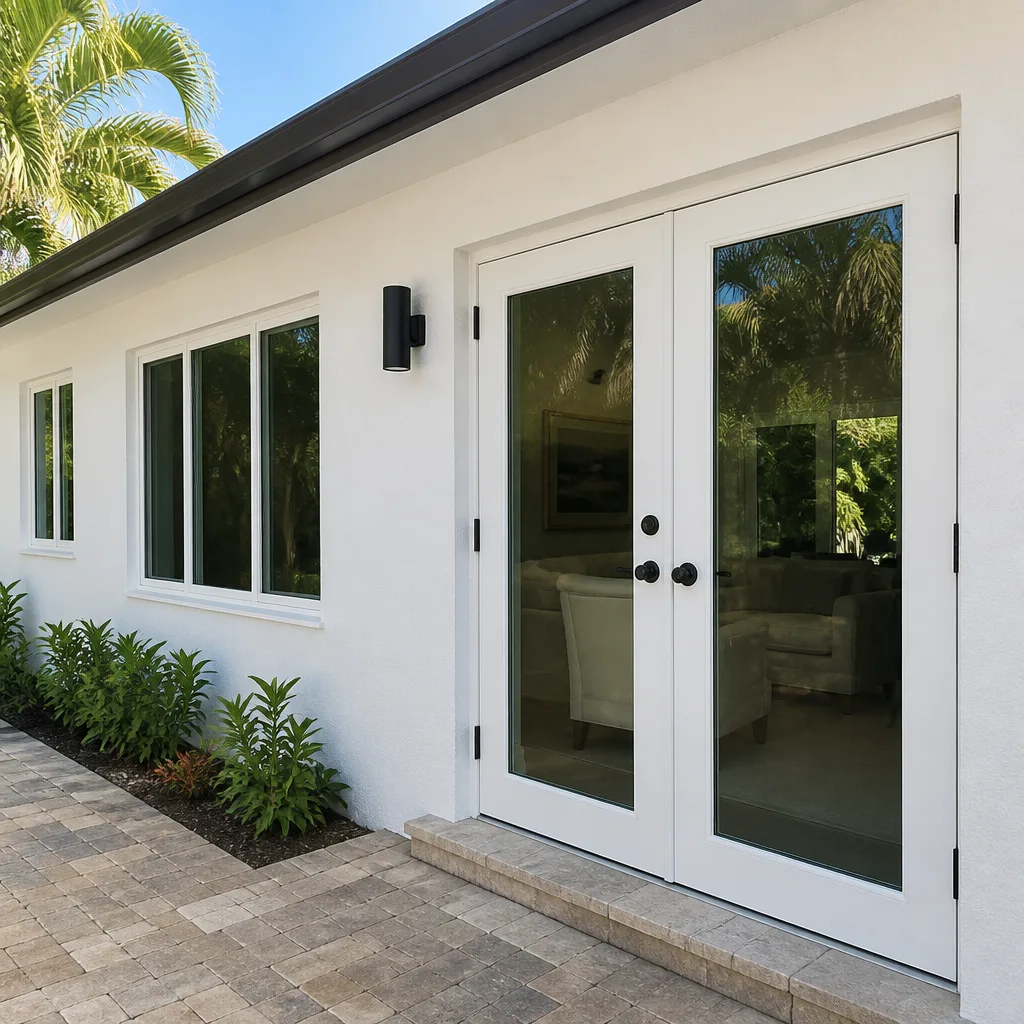 After
After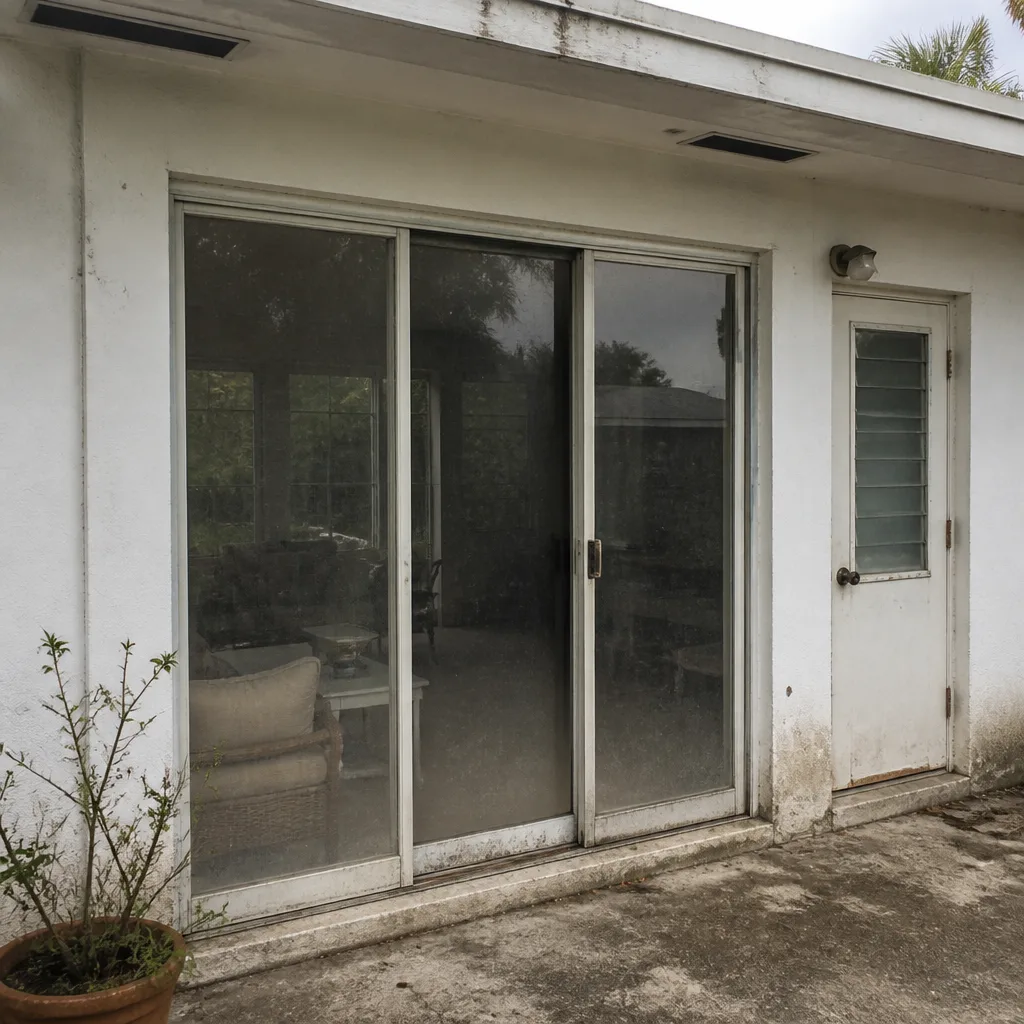 Before
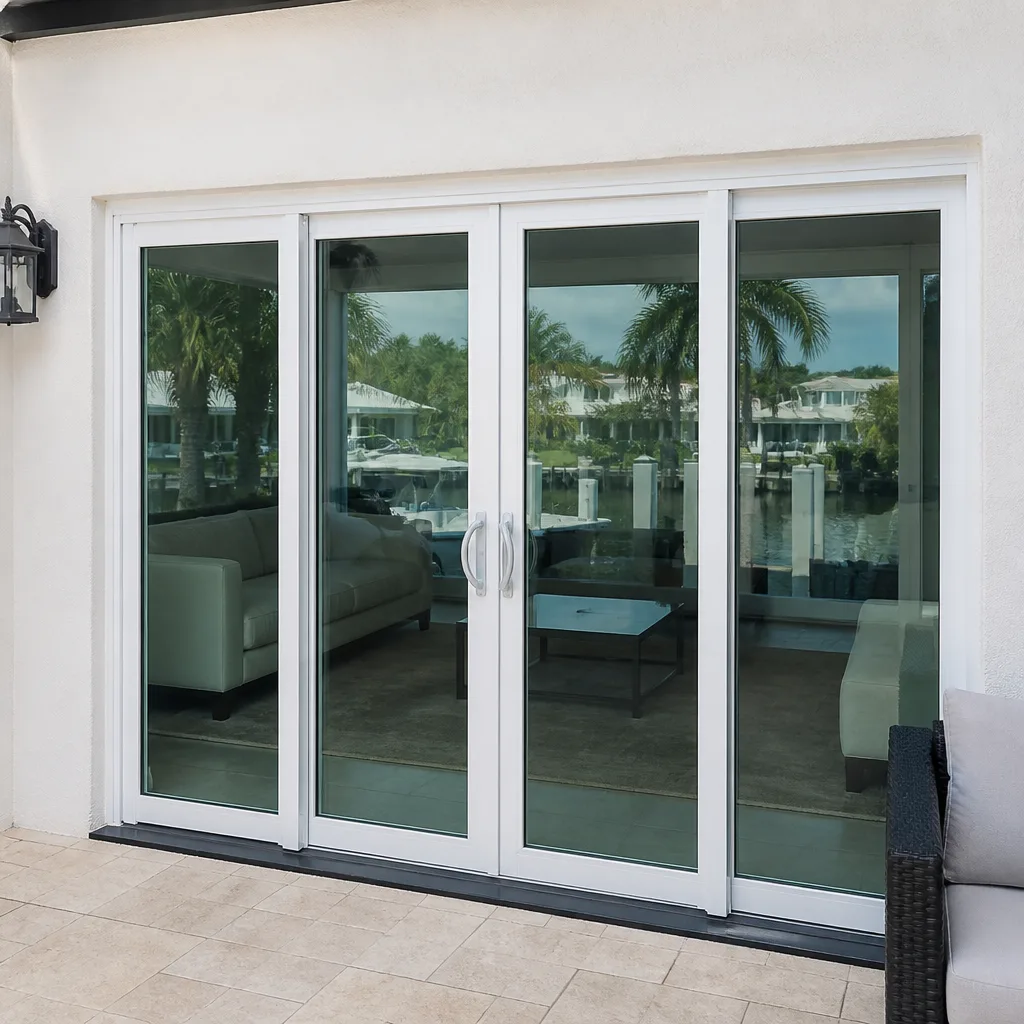 After
After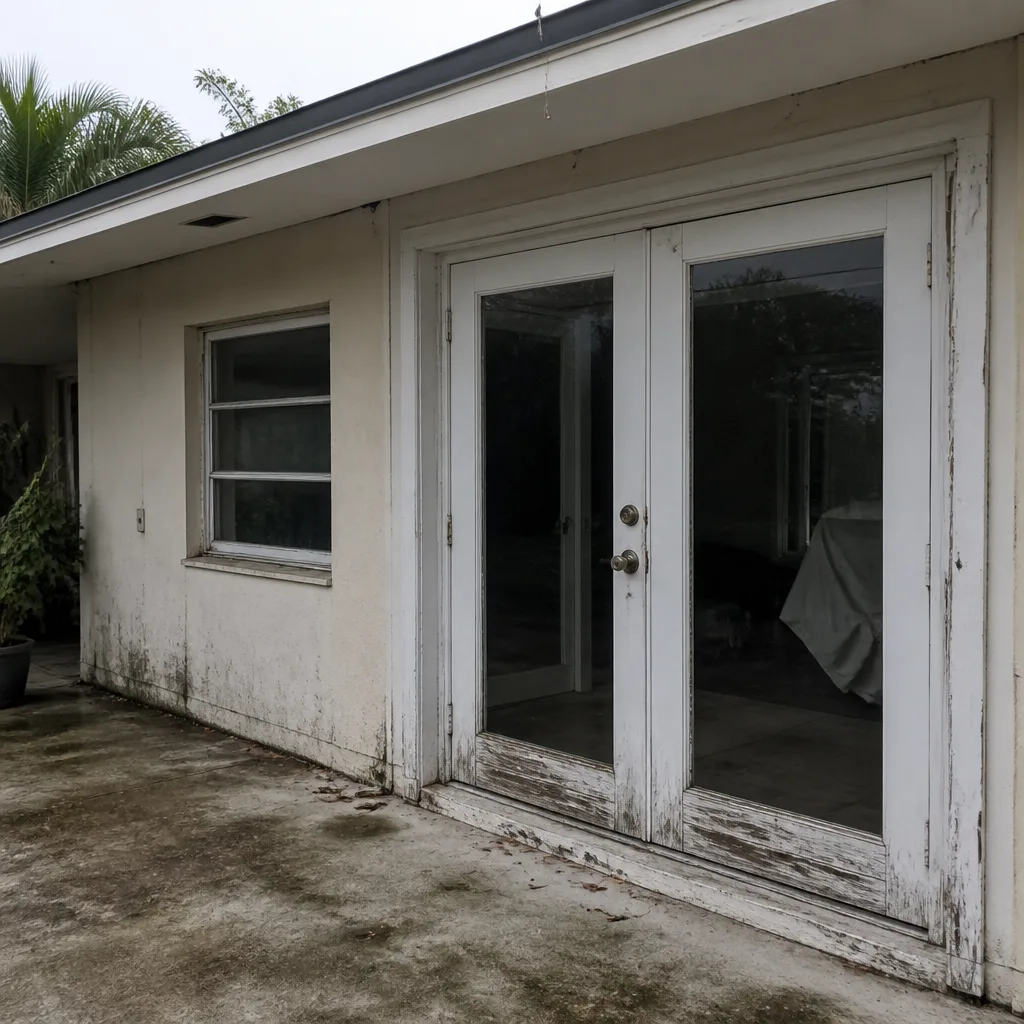 Before
 After
AfterDIY vs Professional Windows & Doors: The Fort Lauderdale Homeowner’s Decision Guide
A homeowner in Fort Lauderdale can legally walk into a supply house this afternoon, buy a set of impact windows, and install them in their own house. The permit application will be accepted. But the moment that first window is set, Florida Statute 489.103 and the manufacturer’s warranty document start working against the person holding the drill. Most homeowners never read either document until something goes wrong, and by then the cost of fixing it dwarfs what the labor savings ever were. This guide walks the exact line between what a Fort Lauderdale homeowner can do, what they should do, and where those two paths stop overlapping; for more guidance, see our How to Hire a Windows & Doors Contractor in Fort Lauderdale: A Step-by-Step Guide.
Quick Answer
For standard window and door replacement in Fort Lauderdale, DIY is viable only for small, non-structural, non-impact jobs in single-story homes where the homeowner is willing to pull an owner-builder permit and accept full warranty voidance. For impact windows, any window or door in a concrete block wall, any second-story work, and any job involving load-bearing headers, professional installation is not just recommended - it is effectively required by Florida code enforcement and manufacturer warranty language. The realistic savings on a typical whole-house window replacement in Fort Lauderdale run $1,800 to $3,400, while the remediation cost of a failed DIY impact install starts around $4,000 before drywall repair.
Table of Contents
- What Florida Law Actually Says About DIY Window and Door Work
- Why HVHZ Changes the Math in Fort Lauderdale
- Three Scenarios Where DIY Window Work Is Viable
- Three Scenarios Where DIY Creates a Liability That Outlasts the Install
- How Manufacturer Warranties Treat Self-Installation
- What a Failed DIY Installation Costs to Remediate in Broward County
- The Real Cost Comparison: DIY vs Professional in Fort Lauderdale
- Common Mistakes to Avoid
- When to Call a Professional
- Frequently Asked Questions
- The Bottom Line
What Florida Law Actually Says About DIY Window and Door Work
Florida is one of the few states where a homeowner can pull their own building permit for window and door replacement without holding a contractor’s license. This is called the owner-builder exemption, and it exists under Florida Statute 489.103(7). It says a person can act as their own contractor on their own residence, no license required, provided they occupy the property.
But that exemption carries conditions most Fort Lauderdale homeowners never see until the inspector asks about them. First, the homeowner must physically perform the work or directly supervise day laborers they hire. They cannot hire an unlicensed contractor to do the work under the homeowner’s permit - that is a third-degree felony in Florida, and Broward County code enforcement has pursued it. Second, the exemption is limited to one property at a time, and it explicitly does not apply to properties being readied for sale or lease within one year of the work. The statute is written so that a homeowner who pulls a permit and then sells the house inside twelve months has, in the eyes of the state, misrepresented the nature of the permit.
That last point matters more than most people think in Fort Lauderdale, where homes change hands regularly and snowbirds move in and out of the market on three-year cycles. A homeowner who plans to sell in the next year and pulls an owner-builder permit is in violation of the statute, and the paperwork trail follows the property. Buyers with competent inspectors will find it.
For window and door work specifically, Fort Lauderdale sits in the High Velocity Hurricane Zone (HVHZ), which covers Broward and Miami-Dade counties. That means any window or door replacement must meet Florida Building Code section 2410, which brings product approval requirements, anchor schedules, and installation methods that the rest of the state does not enforce with the same strictness. A homeowner in Tampa can install a standard window unit with a level and some shims and pass inspection. A homeowner in Fort Lauderdale is working inside a code regime where the inspector is checking embedment depth into concrete block, anchor type and spacing at the jamb, and whether the perimeter sealant meets ASTM specifications. The owner-builder exemption does not waive any of those requirements. It only means the homeowner is personally responsible for meeting them, and our Impact Windows Maintenance Checklist for Fort Lauderdale Homeowners can help ensure long-term compliance.
We see the practical result of this every month at TruePane Windows & Doors home: a homeowner who pulled a permit, set the windows, failed inspection, and then called us to fix what was already in the wall. By that point, the windows are often unreturnable, the permit is open, and the homeowner has paid for the materials twice - once for the mistake, once for the remedy.
Why HVHZ Changes the Math in Fort Lauderdale
The High Velocity Hurricane Zone is not a suggestion. It is the most rigorous wind-load code in the United States, and it exists in Fort Lauderdale for a reason that goes back to Hurricane Andrew. Every window and door installed in a residential structure here must be approved for HVHZ use, carry a Notice of Acceptance (NOA) number, and be installed to the exact specifications printed on that product approval.
Here is what that means in practical terms for a DIY installer. A PGT or CGI impact window has an installation instruction sheet that is part of the product’s code approval. That sheet specifies the anchor type (usually #12 or #14 stainless steel Tapcon-like fasteners or similar), the anchor spacing measured from the corners of the jamb, the embedment depth into the concrete block (typically 1.25 to 1.5 inches into the solid concrete, not the hollow cell), and the sealant backer rod and bead dimensions around the entire perimeter. The installer does not get to choose these numbers. The product approval does, and the building inspector has the same document in hand at final.
Standard, non-impact windows in Fort Lauderdale are subject to similar, if slightly less demanding, requirements. The Florida Building Code still governs, and Fort Lauderdale’s building department enforces it with inspectors who have spent decades looking at retrofit window installations in concrete block. They know what an anchor that hit a hollow cell looks like. They know what a shimmed-out jamb looks like when the rough opening was never squared. They know the difference between a sealant joint that will hold for twelve years and one that will fail in three.
The compounding factor is that Fort Lauderdale’s climate and structure type are both unforgiving. Most homes here are concrete block with stucco exterior. Installing a window into that substrate means drilling into hardened concrete, setting anchors to the proper depth, and creating a watertight seal against a surface that moves with thermal cycling and salt air. A window set slightly out of true in a concrete wall puts pressure on the frame every time the house settles or the temperature swings, which is why Seasonal Windows & Doors Care for Fort Lauderdale: Year-Round Homeowner’s Guide matters for every installation. In a wood-frame house in North Carolina, that same error might cause a sticky sash. In a Fort Lauderdale block house, it causes blown seals, cracked stucco, and leaks that find their way through the wall cavity before anyone notices.
We have walked into homes in Victoria Park and Rio Vista where a DIY or handyman-installed window was sealed on the outside but left an unseen gap on the inside, and the first evidence of the problem was a water stain on drywall six months later. By then the repair is not just re-seating the window; it is opening the wall, drying the cavity, and checking for mold behind the stucco.
Three Scenarios Where DIY Window Work Is Viable
The honest answer is that some window and door work in Fort Lauderdale can be done well by a homeowner. Here are the three situations where the risk calculation comes out in favor of doing it yourself.
- Shed, detached garage, or workshop windows that are not part of the primary residence. These structures are still governed by code, but the stakes change. A window failure in a detached garage does not wet a finished interior or compromise the envelope of the living space. The permit requirements are often simpler, and the inspection is focused on basic safety rather than HVHZ performance. A homeowner with masonry drilling experience and a good level can set a basic single-hung here and learn the craft at a low cost of failure.
- Interior door replacement with no frame work. Swapping a pre-hung interior door into an existing opening, especially in a home with standard rough openings, is a legitimate DIY task. This is not the same as replacing an exterior door, which involves threshold sealing, weatherstripping, and in Fort Lauderdale, impact-rated door slabs if the door leads to outside. But a bedroom or closet door inside the conditioned space has none of those code-driven requirements. A homeowner can measure, set, and trim a standard interior door in an afternoon with results that are hard to get wrong.
- Glass replacement in a non-impact, non-insulated window sash. This is the classic single-pane repair: the old glass is cracked, the sash comes out, the points and glazing putty come out, and new glass goes in. For a standard vertical sash window in a home built before Florida’s impact requirements took effect, this is a learnable skill and the cost of failure is low - a broken pane is a $40 mistake, not a $4,000 mistake. We would still advise against attempting any glass work on an impact-rated unit, because the laminate and interlayer are not something a glazer can cut and set properly outside a controlled environment.
None of these scenarios involve the HVHZ-critical elements of a Fort Lauderdale home’s envelope. They are peripheral, low-consequence, and recoverable. That is the line. When the work touches weather-exposed glass, load-bearing framing, or impact-rated products, the equation changes entirely.
Three Scenarios Where DIY Creates a Liability That Outlasts the Install
Most of what we write and advise about DIY versus professional work in Fort Lauderdale comes from situations where a homeowner chose the lower-dollar option and ended up paying for it twice. These are the three where the liability is structural, legal, or financial - and where it does not go away when the job is finished.
- Impact window installation into concrete block. This is the single most common DIY mistake we remediate in Fort Lauderdale. The homeowner buys a PGT or CGI impact unit from a supply house, drills anchors into the block, and sets the window. The anchors hit a hollow cell instead of the solid concrete, or they are set an inch too shallow, or the spacing is wrong. The window looks fine, the inspection catches it, and now the unit cannot simply be re-anchored - the holes are in the wrong place, the frame may be damaged, and the product approval no longer applies because the installation did not follow the NOA. The window must come out, the rough opening must be repaired, and a new unit must be ordered. That is not a do-over; it is a second purchase.
- Any second-story window or door work. The physics of setting a 100 to 200 pound impact window from a ladder change everything. The leverage, the pivot, and the need to hold a unit true while anchoring it are not skills a first-time DIYer possesses. Falls from ladder height while handling glass are a leading cause of serious injury in home construction, and in Fort Lauderdale, the mix of salt air corrosion and concrete block means the anchor points are hard to hit correctly even with two hands on stable ground. We have never seen a homeowner install a second-story impact window correctly on the first attempt without prior trade experience. Not once in the years we have been running Window Installation in Fort Lauderdale for TruePane.
- Work on any home that may be sold within one year. This is the legal trap. The owner-builder exemption in Florida explicitly excludes properties being prepared for sale or lease within one year of the work. A homeowner who installs windows under an owner-builder permit and then lists the house is in violation of the statute, and the permit becomes a defect in the property’s record. Disclosing it honestly means telling a prospective buyer that the most important structural component of the home was installed by an unlicensed person operating under a permit that no longer applies. Most buyers will walk, and the ones who stay will negotiate the price down accordingly. For homeowners in Fort Lauderdale who plan to sell inside twelve months, DIY window installation is not a way to save money; it is a way to transfer $10,000 to $20,000 of value to the buyer at closing.
The common thread across all three is that the cost of being wrong is not the cost of redoing the work. It is the cost of redoing the work plus the cost of undoing the first attempt, plus the cost of whatever damage occurred in between, plus the loss of whatever warranty value the product carried on day one. That arithmetic is the real DIY versus professional calculation in Fort Lauderdale, and it rarely shows up on the spreadsheet people use to make the decision.
How Manufacturer Warranties Treat Self-Installation
The warranty document that ships with every quality window and door unit is written by lawyers who anticipate self-installation. Most homeowners never read it. The language is designed to transfer risk from the manufacturer to whoever touches the product after it leaves the factory, and in almost every case, professional installation is a coverage condition - not a recommendation.
Here are the phrases to look for in a window or door warranty document, and what they mean for a Fort Lauderdale homeowner:
- “Installed in accordance with the manufacturer’s installation instructions and applicable building codes.” This is the standard clause. It means the warranty is void if the installation deviates from the NOA or the product approval - and as covered above, an owner-builder in Fort Lauderdale is under the same obligation of exact compliance as a licensed installer. The difference is that a licensed installer has done it hundreds of times and knows where the fall-off points are. The homeowner is doing it for the first time and will not know until the inspector arrives.
- “Professional installation required.” Some manufacturers, especially in the impact product space, state this outright. Therma-Tru door systems, for example, carry warranty language that conditions coverage on installation by a qualified professional. The term is not defined further, which means the manufacturer gets to decide after a claim is filed. If the installer cannot produce a license number, the claim is denied before the evidence is reviewed.
- “Warranty becomes effective upon registration.” This one matters because it flips the burden onto the homeowner. Most major window manufacturers require the warranty to be registered within 30 to 60 days of installation to be valid. A homeowner who self-installs and forgets to register, or fills in the installer section with their own name, has voided the warranty as effectively as if they had never opened the box. A professional installer registers it as part of the job. That is not a service. That is the difference between having a warranty and not having one.
- “This warranty extends only to the original purchaser.” Fort Lauderdale homeowners who plan to sell within a few years should know that most window warranties do not transfer to a new owner, or transfer only under strict conditions. The value of a professionally installed system with registered warranties is real at resale; a self-installed system with unregistered or voided warranties is a liability.
When we install impact windows in Fort Lauderdale, the impact window installation includes registering both warranty layers - the glass breakage warranty and the frame and hardware warranty - in writing before the truck leaves the driveway. That is The Keystone Standard at TruePane, and it exists because Dale Kessler spent years fixing windows where the homeowner had no idea their warranty was already dead. A self-installed window in Fort Lauderdale usually carries the same warranty as a curb-pickup window: none at all.
What a Failed DIY Installation Costs to Remediate in Broward County
The single most useful piece of information a Fort Lauderdale homeowner can have before deciding to self-install is the arithmetic of failure. It is not symmetrical. The savings from doing it yourself are small relative to the cost of being wrong.
Here is a realistic cost breakdown for the most common DIY failure we see: a homeowner attempts to install two impact windows in a concrete block wall, and the installation fails inspection or fails in service.
- Removal of the incorrectly installed units: $250 to $500 per window, assuming the frame can be salvaged. If the unit was damaged during removal or installation, it is a write-off.
- Repair of the rough opening: $200 to $600 per opening for concrete repair, patching misdrilled anchor holes, and squaring the opening back to specification. If the original opening was never squared and the homeowner forced the window in, this can run higher.
- Re-permitting and inspection fees in Fort Lauderdale: $150 to $400 depending on the scope and the current fee schedule. The original permit is still open, and the homeowner now has a failed inspection on record, which complicates the next inspection.
- New window units: $600 to $1,800 per opening depending on the manufacturer and the glass package. This is the part that hurts. A PGT or CGI impact window that was $900 from a supply house cannot be reinstalled if the frame is deformed or the anchors cannot be set to spec. The homeowner pays for it twice.
- Professional installation to correct the work: $400 to $800 per opening in the Broward County market for a retrofit impact replacement into block.
- Ancillary damage repair: $300 to $2,000 depending on whether drywall, stucco, trim, or interior casing must be opened up and redone.
Add that up for two windows and the remediation is $2,300 to $6,000, with $4,000 being the realistic middle for the scenario we just described. The original DIY attempt saved roughly half that amount in labor costs. The homeowner is thousands behind, the house is open to the Fort Lauderdale humidity while the work gets redone, and the project that was supposed to take a weekend has stretched into a month.
This is why we tell homeowners in Fort Lauderdale to run the failure math before they start, not after. A professional window replacement in Fort Lauderdale costs what it costs because the contractor is carrying the risk of this exact outcome. When the homeowner takes the risk on themselves, they are not eliminating the risk. They are underwriting it personally, with a much smaller margin for error.
The Real Cost Comparison: DIY vs Professional in Fort Lauderdale
Here is the honest comparison, in current Fort Lauderdale market numbers. For a standard retrofit window replacement into concrete block, labor from a licensed, insured contractor runs $300 to $700 per opening, depending on the window size, access, and whether stucco repair is included. For an impact window, labor runs $400 to $850 per opening, with the higher end reflecting the anchor schedule, the weight of the unit, and the sealing requirements.
A typical whole-house replacement of twelve windows and one sliding glass door in a Fort Lauderdale ranch runs $8,000 to $16,000 for standard insulated windows, and $14,000 to $28,000 for full impact rated products. The labor component is usually 35 to 45 percent of the total. That means a successful DIY install on the same scope saves $2,800 to $7,200 - and on the standard insulated window end, the realistic savings figure is closer to $3,000.
But here is the number the supply house will not tell you. The failure rate for first-time DIY window installation into concrete block, based on what we see walking into jobs that went wrong in Fort Lauderdale, is not minor. We would estimate that a high percentage of owner-builder window installs either fail inspection outright or pass with defects that show up within three years. The cost of remediation in the section above wipes out the savings of a five-window project in a single failed opening. On a whole-house scope, two failed openings erase the entire labor savings and add a premium.
The professional route also brings a factor that a supply house sale never does: the Impact Windows in Fort Lauderdale installed by a licensed contractor carry registered warranties, and the contractor is accountable for the installation for years under Florida’s statutory warranty framework. A Fort Lauderdale homeowner who self-installs carries all of that accountability personally, indefinitely, with no one to call when a seal blows or a sash binds.
Common Mistakes to Avoid
- Assuming the owner-builder permit covers hired help. Florida’s owner-builder exemption covers the owner performing the work or directly supervising day labor. It does not cover hiring an unlicensed handyman to install windows under the homeowner’s permit. That is a felony violation of Florida Statute 489.127, and Broward County has pursued enforcement against homeowners who attempted it. The homeowner who saves $500 by hiring someone unlicensed is exposing themselves to criminal liability, not a bad Yelp review.
- Using the wrong anchors in concrete block. The most common technical failure in Fort Lauderdale DIY window installs is anchoring into the hollow cell of a block instead of the solid web. The anchor spins, the installer keeps going, and the window is held in by nothing more than sealant and hope. The window will pass the homeowner’s visual check and fail the inspector’s pull test. The right anchor for hollow block is a sleeve-type or epoxy-set anchor, and the embedment depth and torque spec come from the product approval - not from what feels tight with the driver.
- Skipping the permit entirely. Some Fort Lauderdale homeowners skip the permit to avoid inspection fees and what feels like red tape. That decision follows the house. When the owner eventually sells, the unpermitted windows become a disclosure issue, and any buyer financing with FHA or VA will demand correction. In a city where most homes trade above $500,000, unpermitted structural work is a defect that costs more to resolve after the fact than the permit would have cost in the first place.
- Setting the window without checking the rough opening for square. Concrete block openings in Fort Lauderdale homes are frequently out of square by a quarter-inch or more, especially in homes built before 1990. A professional installer checks the opening with a laser or a long level before setting the unit. A DIY installer tends to discover the discrepancy halfway through anchoring, then forces the window in rather than pulling it out and fixing the opening. A forced window wears its seals unevenly from day one, and the sag is usually visible within two years.
- Underestimating the weight of impact units. A standard impact window weighs 8 to 11 pounds per square foot. A four-by-six impact window is 200 to 260 pounds, and it must be lifted into a rough opening, held in place, leveled, and anchored. Two people can do it. One person cannot, and trying is how windows get dropped and people get hurt. The professional crew works with lifting suction cups and three people for the larger units, and that is not optional equipment in concrete block work.
- Sealing the outside but not the inside. Air and water sealing in Fort Lauderdale’s climate is not just about the exterior bead. The interior side of the window needs a continuous air seal against the humid outdoor air that pushes through the gap between the frame and the rough opening. Skip the interior seal and the window outperforms the surrounding wall, which creates condensation in the wall cavity that leads to mold behind the drywall. Homeowners typically discover this mistake as a musty smell they cannot locate.
- Believing the supply house warranty covers installation errors. The supply house warranties the product against manufacturing defects, not the installation. If the window arrives with a defect, the supply house covers it. If the homeowner installs it wrong, the supply house is not responsible, and neither is the manufacturer under the professional-installation language. The Fort Lauderdale homeowner who self-installs is the only party carrying the risk of the installation itself, and that is a risk with a known, expensive failure mode.
When to Call a Professional
Call a professional when the opening is in a load-bearing concrete block wall, when any impact-rated product is involved, when the work requires a ladder above the first floor, when the manufacturer’s warranty document contains the phrases “professional installation” or “certified installer,” and when the home will be sold within a year of the work. Each of these triggers converts DIY from an acceptable risk into an unbounded one.
TruePane Windows & Doors offers free estimates in Fort Lauderdale - call (754) 310-3589. Our technicians are background-checked and uniformed, and a live person answers the phone 24 hours a day, 7 days a week. No voicemail tree, no callback form. If you are weighing DIY against professional installation and want the honest math for your specific house, we will put it on paper and let you decide with accurate numbers.
Frequently Asked Questions
Yes, under Florida’s owner-builder exemption you can legally install windows in a home you occupy and do not intend to sell or lease within one year. You must pull the permit yourself, you must perform the work or directly supervise the labor, and you must meet all Florida Building Code and HVHZ requirements, including exact adherence to the product’s Notice of Acceptance installation specifications. Call (754) 310-3589 if you want to discuss what that means for your specific home before you pull the permit.
In most cases, yes. Major manufacturers including PGT, Marvin, Andersen, and Therma-Tru include installation quality or professional installation clauses in their warranty documents, and those clauses make proper installation a condition of coverage. If a warranty claim is filed and the installer cannot produce a contractor license number, the claim is typically denied. We register both warranty layers in writing on every job we install in Fort Lauderdale, and we do that before we leave the driveway.
Professional window installation in Fort Lauderdale runs $300 to $700 per opening for standard replacement windows and $400 to $850 per opening for impact rated windows, depending on size, access, and whether stucco repair is included. A whole-house replacement of twelve windows typically runs $8,000 to $28,000 depending on glass package and product line. Call (754) 310-3589 for a written estimate with manufacturer lines quoted side by side so you can compare exact product and labor figures.
If a DIY window installation fails inspection, the homeowner must correct the violation and schedule a re-inspection. If the failure requires removing the window, the unit is often not reusable, the rough opening must be repaired, and the homeowner pays for a second window plus the professional labor to set it. The typical remediation cost for two failed openings in Fort Lauderdale is $2,300 to $6,000, and that is before any interior damage repair.
Fort Lauderdale sits in the High Velocity Hurricane Zone, which requires any window or door replaced in a residential structure to meet HVHZ product approval standards. Standard, non-impact insulated glass can be installed if the opening is protected by an approved shutter system, but any unprotected opening must be either impact rated or protected to meet Florida Building Code. The product approval and installation method for both types is code-prescribed and must be followed exactly.
For exterior doors, professional installation is worth the cost in Fort Lauderdale because exterior doors in HVHZ must be impact rated, properly anchored into concrete block, sealed against air and water intrusion on both sides, and set true enough that the door slab swings and seals correctly in high humidity. A door that binds or leaks is a daily aggravation and a water intrusion risk that grows worse with each rainy season. For interior doors with no frame work, DIY replacement is a reasonable option for a handy homeowner.
The Bottom Line
The DIY versus professional decision for windows and doors in Fort Lauderdale comes down to one question the supply house will never ask you: what happens when it goes wrong? For peripheral work - a shed window, an interior door, a single-pane glass replacement - the risk of failure is low and the cost of failure is recoverable. For any impact-rated product, any concrete block opening, any second-story work, and any home that may be sold within the year, the risk is structural and the cost of failure is far larger than the labor savings ever were. A professionally installed window in Fort Lauderdale carries registered manufacturer warranties and an accountable, licensed installer behind it. For more guides & resources on protecting your home, explore our blog. A DIY window carries whatever the homeowner can personally guarantee - which, in the moment it fails, is nothing.
Written by Dale Kessler, Owner at TruePane Windows & Doors, serving Fort Lauderdale since 2008.
Six Reasons Homeowners Choose TruePane Windows & Doors
Impact systems engineered to design pressures up to +/-100, matched to your wind zone - your openings hold when the storm arrives.
Low-E insulated impact glass from our manufacturer lines commonly cuts monthly cooling bills 20-30%.
Laminated impact glass shuts out up to 40% of outside noise - traffic, neighbors, weather.
Monitoring services run $30-90 a month. Laminated impact glass resists forced entry around the clock, with no subscription.
Florida homeowners average around 25% savings on the windstorm portion of their policy after protecting every opening - some homes qualify for more.
A full impact package upgrades curb appeal, buyer confidence and appraised value in one project.