

Last updated August 28, 2026
Free in-home measure and quote - PGT, CGI and CWS impact lines compared on your actual openings, style by style


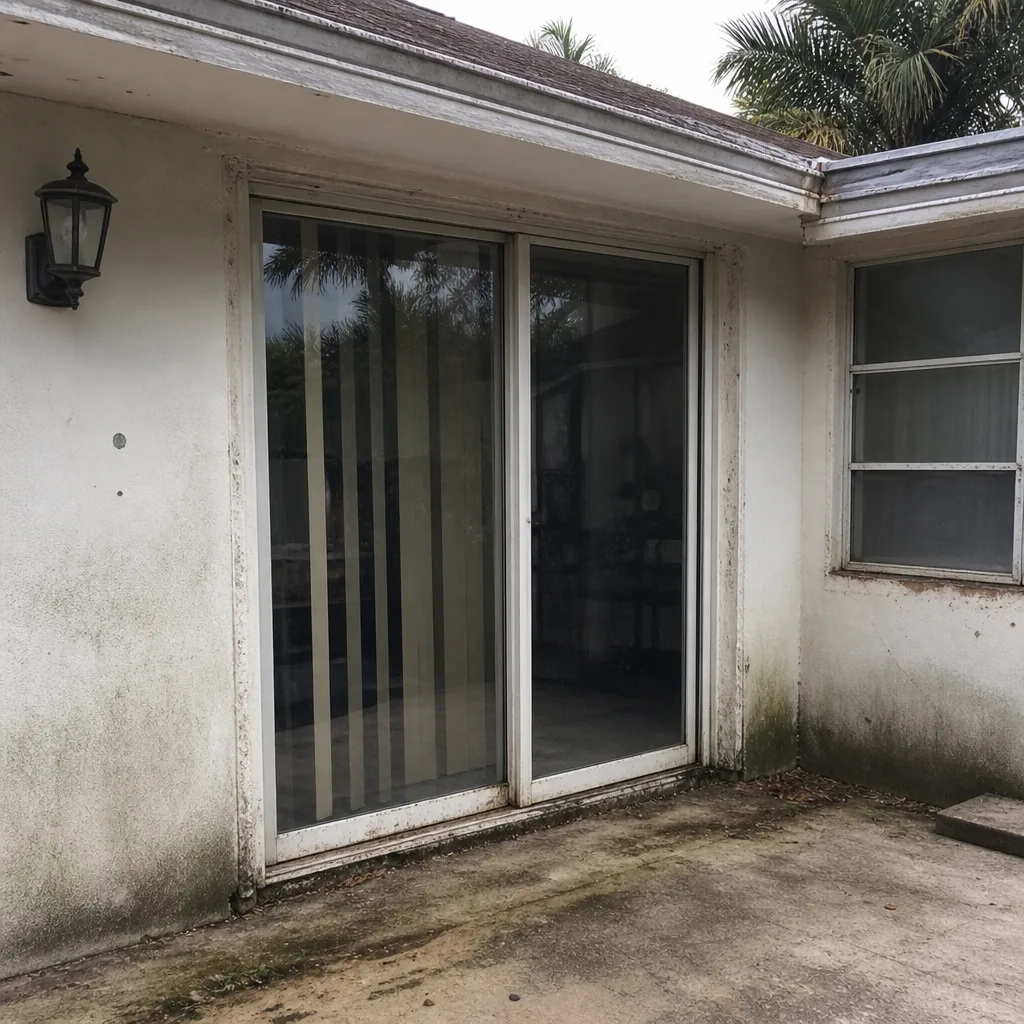 Before
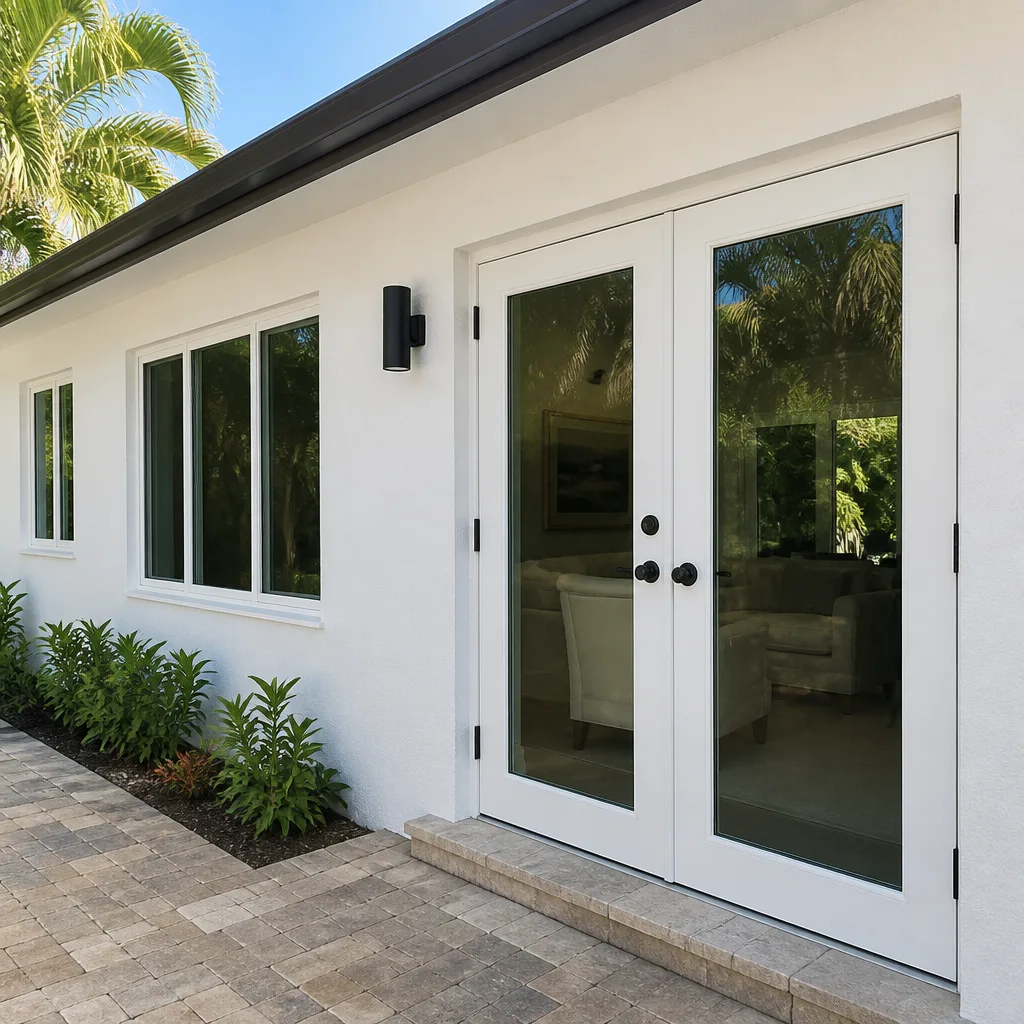 After
After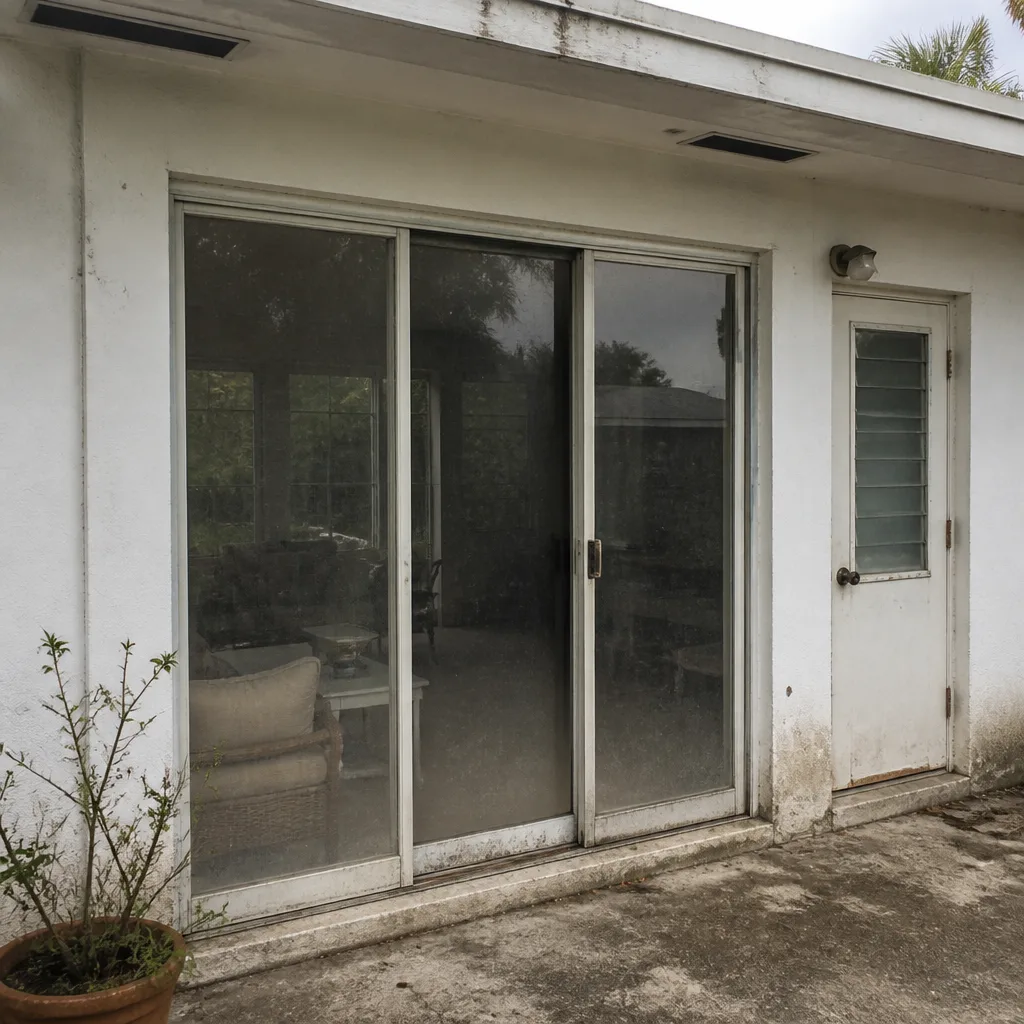 Before
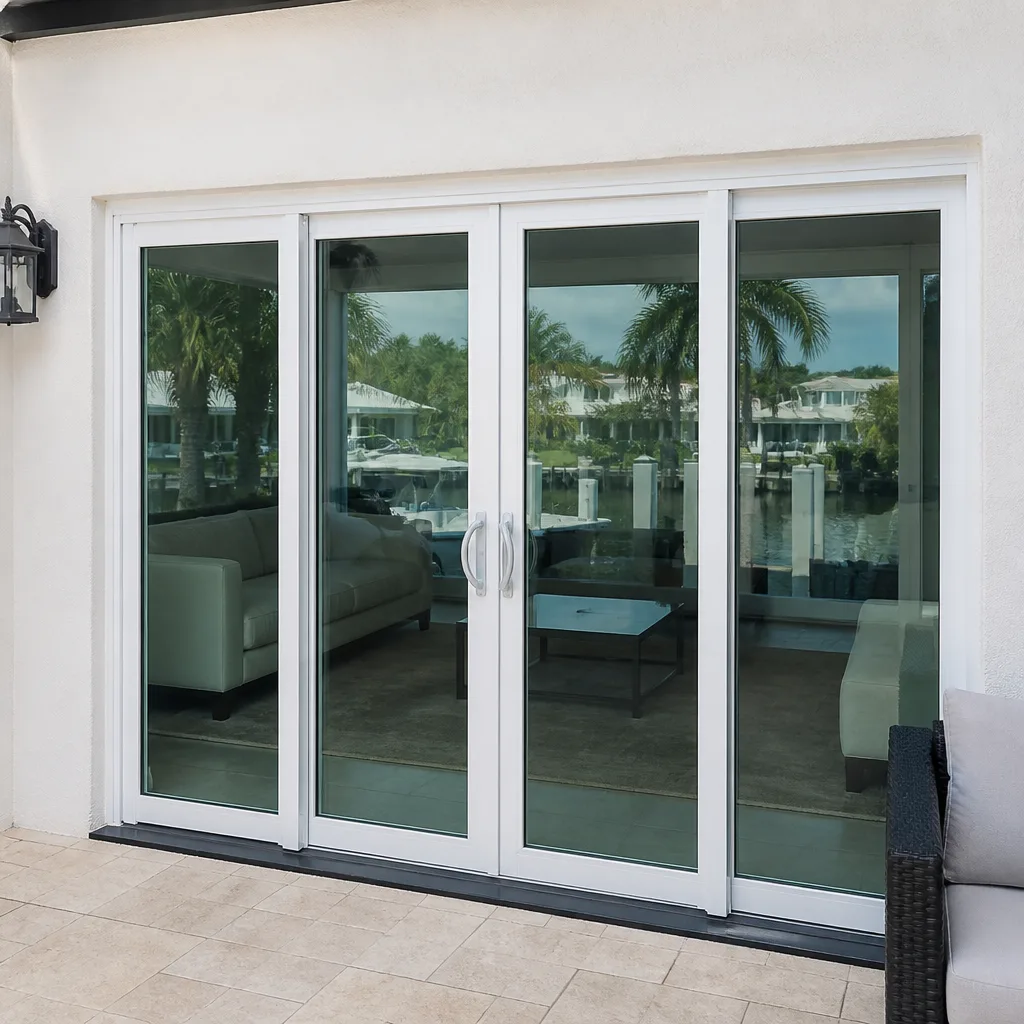 After
After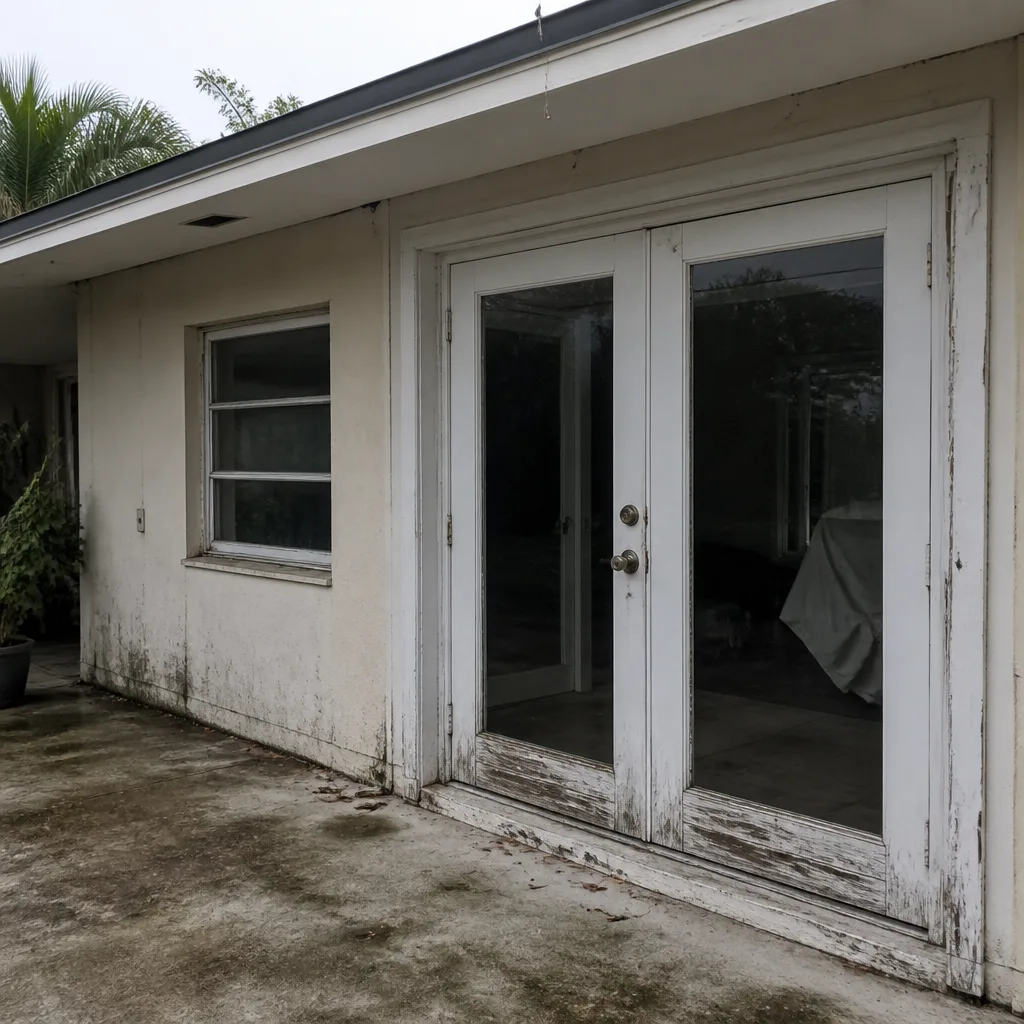 Before
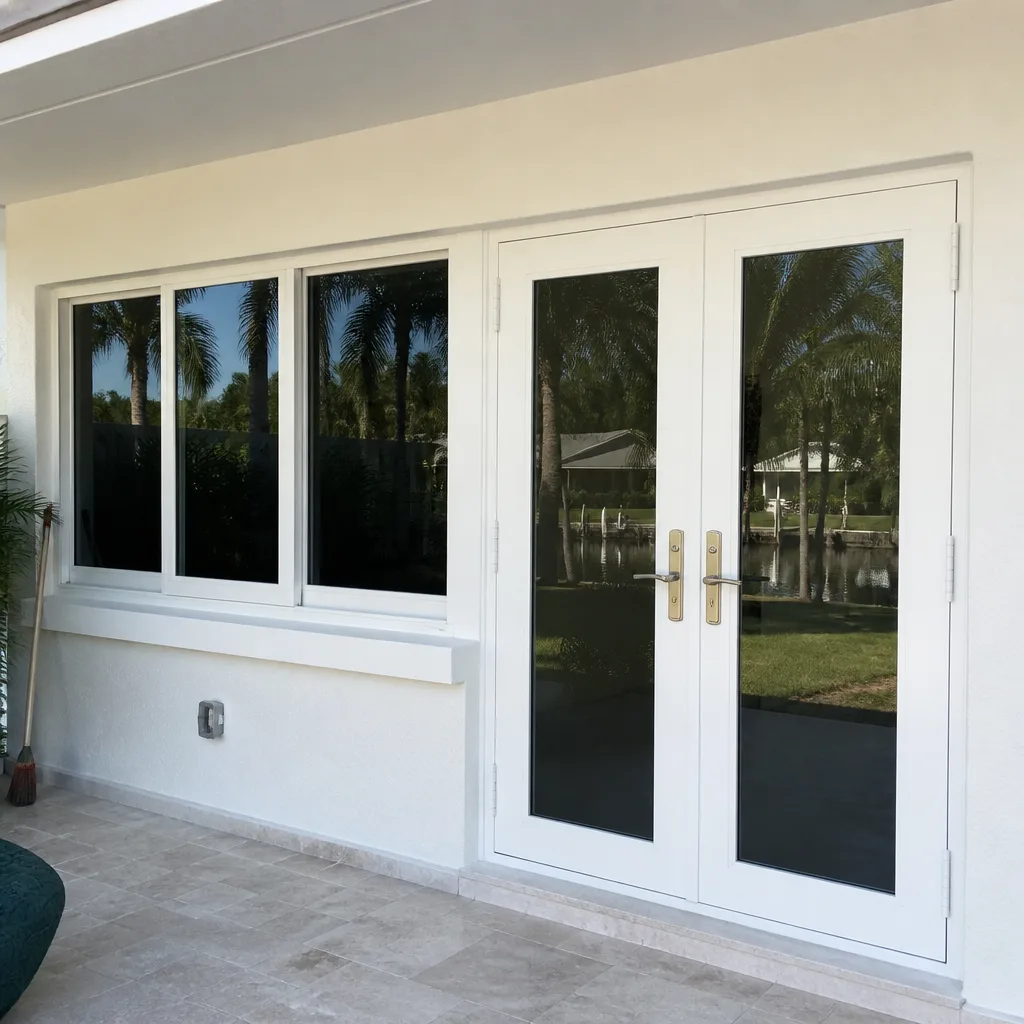 After
AfterSeasonal Windows & Doors Care for Fort Lauderdale: Year-Round Homeowner’s Guide
Fort Lauderdale homeowners replace or repair more windows and doors because of moisture and salt than because of age. That fact surprises people who moved here from up north, where freeze-thaw cycles do the damage. Here, the calendar doesn’t tell you when to maintain your windows and doors. The humidity, the hurricane forecast, and the direction your house faces do. This guide explains what needs attention during the dry season, what must be done before June 1, what to check after every named storm, and the warning signs most Fort Lauderdale homeowners miss until the hardware fails.
Quick Answer
Fort Lauderdale window and door care follows two climate phases, not four seasons: a dry season (November through April) for sealant inspection, hardware adjustment, and glass cleaning, and a wet season (May through October) for pre-storm preparation, post-storm inspection, and moisture management. The single best window for sealant work is mid-November through December, when low humidity allows caulk and adhesive to cure properly. Plan one maintenance weekend in December and one in May, and you’ll catch most problems before they become replacements.
Table of Contents
- Dry Season Care: November Through April
- The Six-Week Sealant Window: Why Mid-November Matters
- Salt Air on East and West Elevations: Two Different Cleaning Schedules
- Pre-Hurricane Season Preparation: April Through June
- Active Storm Season: What to Inspect After Every System
- The Skipped Task: Multipoint Lock Lubrication
- Hardware Adjustment for Thermal Contraction
- Common Mistakes to Avoid
- When to Call a Professional
- Frequently Asked Questions
- The Bottom Line
Dry Season Care: November Through April
Fort Lauderdale’s dry season is when your windows and doors relax. The humidity drops, the afternoon thunderstorms stop, and materials that spent six months swelling with moisture finally dry out. That drying is good news for your house, but it creates two specific problems: sealant cracks as surfaces contract, and hardware that felt tight in August suddenly rattles in January.
We’ve worked on enough Fort Lauderdale homes to know that dry season maintenance should focus on three things: sealant inspection, hardware tightening, and glass cleaning that accounts for irrigation overspray. Here’s the breakdown.
Sealant Inspection and Repair Timing
Walk the exterior of your house on a dry Saturday morning between November and February. Look at the caulk line where window frames meet stucco, where door thresholds meet concrete, and around any exterior trim. Hairline cracks that are one-sixteenth of an inch or smaller are normal dry season movement. Cracks larger than that, or sealant that has pulled away from the surface entirely, need attention.
Do not caulk over old sealant. The new material will not bond and will peel within a season. Old sealant must be cut out, the joint cleaned, and fresh backer rod installed if the gap is deep. If that sounds like more than a weekend project, it usually is for most homeowners, which is why this is one of the most common service calls we make in Fort Lauderdale between November and February. For a deeper look at what drives these costs, see our Windows & Doors Cost Breakdown: The Fort Lauderdale Homeowner’s Reference for 2026.
Hardware Tightening and Adjustment
Wood frames contract in dry air. Vinyl and aluminum do too, though less dramatically. The result is that hinge screws loosen, strike plates shift, and doors that latched cleanly in September need a firm pull by December. Tighten every visible screw on hinges, handles, and locksets. If a door still binds or rattles after tightening, the door slab may need a slight adjustment. Do not force a misaligned multipoint lock on an impact door; the hardware is precise and forcing it accelerates wear.
Glass Cleaning to Prevent Mineral Deposits
This is the part most guidebooks miss. Fort Lauderdale lawns get irrigated year-round, and irrigation systems do not care where the mist lands. Overspray on glass dries and leaves calcium and mineral deposits that etch the surface over time. Once etched, the glass cannot be polished clean; it must be replaced. Clean exterior glass every six to eight weeks during the dry season using a solution of water and white vinegar, which dissolves mineral buildup before it bonds. Rinse thoroughly and dry with a microfiber cloth. Skip the squeegee on hot afternoons; the solution flashes off before you can rinse, and you’ll be left with streaks that bake on.
The Six-Week Sealant Window: Why Mid-November Matters
Sealant manufacturers publish cure times on every tube, and those cure times assume specific temperature and humidity ranges. In Fort Lauderdale, summer humidity routinely exceeds 75 percent. That means sealant applied in June, July, or August cures slower, sometimes incompletely, and can fail prematurely because moisture got trapped in the joint before the material skinned over.
The six weeks between mid-November and the end of December are different. Humidity levels typically sit between 50 and 65 percent, and temperatures moderate into the 70s. Those conditions are close to ideal for most exterior sealants and adhesives. A joint caulked in December will cure fully, bond properly, and stay flexible for years. A joint caulked in August might look fine for six months and then separate at the bond line the first time it’s stressed.
If you take one scheduling insight from this guide, make it this: plan sealant repairs for late November or December. If you notice a sealant failure in May, do a temporary patch and schedule the permanent repair for the following dry season. It’s not convenient, but it’s what done right looks like in South Florida.
Salt Air on East and West Elevations: Two Different Cleaning Schedules
Fort Lauderdale sits between the Atlantic Ocean and the Everglades. The ocean is east. The prevailing breeze comes from the east and southeast for most of the year. That means the east-facing side of your house accumulates salt deposition at a rate two to three times higher than the west-facing side. This is not a guess; we see it on every coastal home we service from Victoria Park to Harbor Beach.
Salt buildup on glass and frames is not just cosmetic. Salt is hygroscopic, which means it attracts moisture. A salt film on an aluminum frame holds humidity against the metal and accelerates pitting and corrosion. On glass, salt film combined with irrigation overspray forms a stubborn residue that clouds the pane. On painted steel or hardware, salt accelerates rust fast enough that hinge pins can seize within a couple of years if left unaddressed.
Here’s the schedule that matches how Fort Lauderdale’s salt deposition actually works:
- East-facing windows and doors: rinse with fresh water and wipe down monthly. Full cleaning with a mild detergent every two months. Pay special attention to door thresholds and the bottom track of sliding doors, where salt accumulates and grinds against rollers.
- West-facing windows and doors: rinse and wipe every two months. Full cleaning every three to four months.
- Hardware on both elevations: wipe down hinges, handles, and locks with a damp cloth monthly during the dry season and after every coastal storm event.
- After any named storm: rinse exterior glass and frames on all elevations with fresh water, even if the storm passed offshore. Wind-driven salt spray travels farther than people expect.
This east-west split is one reason a generic “clean your windows twice a year” checklist fails in Fort Lauderdale. Your house is not exposed evenly, and your cleaning schedule should not be even either.
Pre-Hurricane Season Preparation: April Through June
Hurricane season starts June 1 in Fort Lauderdale, and the time to prepare is not the week a storm appears on the five-day cone. April and May are for inspection, repair, and documentation. Here is a step-by-step sequence that covers what actually fails during a storm.
Step 1: Inspect Shutter Track and Hardware
If you have accordion shutters, open and close every panel. Look for bent tracks, missing screws, and rollers that grind instead of roll. A shutter that binds halfway across an opening in May will still bind in September, except you will be closing it at dusk with a storm 48 hours out. Lubricate tracks with a dry silicone spray. Do not use oil-based lubricants; they attract sand and grime and make the problem worse.
Step 2: Check Threshold Seal Condition
The threshold seal at the bottom of every exterior door is your first defense against wind-driven rain. In Fort Lauderdale storms, rain does not fall straight down. It comes at angles, sometimes close to horizontal, and it finds every gap. Press down on the sweep at the bottom of each door. If it is stiff, cracked, or leaves daylight visible under the door, replace it. This is a modest cost compared to a water-damaged interior threshold or hardwood floor.
Step 3: Confirm Impact Product Documentation
If your home has impact windows in Fort Lauderdale, find the paperwork. The product approval documents, the installation permit, and the notice of acceptance should be in one folder, in the house, not in a storage box in the garage. After a storm, insurance adjusters and building officials ask for these documents, and the homeowner who can produce them in ten minutes has a smoother claim than the one digging through filing cabinets.
If you cannot find the documentation for impact windows or doors installed by a previous owner, contact a licensed contractor who can verify the product labels and pull the permit history. Our Windows & Doors Permits, Codes & Inspections in FL: What You Need to Know explains what to expect. We do this for Fort Lauderdale homeowners regularly, and it’s worth knowing before a storm, not after.
Step 4: Test Every Lock and Latch
Impact doors and windows earn their ratings only when they are properly closed and locked. A door that closes but is not locked is significantly weaker against wind pressure. Test every lock, every latch, every flush bolt on double doors. If a lock is stiff, address it now. Impact-rated hardware from manufacturers like PGT and CGI is built to precise tolerances, and forcing a sticky lock is a fast way to turn a minor adjustment into a hardware replacement.
Active Storm Season: What to Inspect After Every System
Most Fort Lauderdale homeowners only think about window and door inspection after a direct hit. That’s a mistake. Tropical systems that pass 60, 80, or 120 miles offshore still push wind-driven rain and salt spray across the coast. The wind hits your house at oblique angles, pushing water against window frames, door thresholds, and weatherstripping in directions that a normal afternoon thunderstorm never does.
After any named storm or tropical system passes within 100 miles of Fort Lauderdale, do this:
- Inspect interior floors and sills under every window and door. Run your hand along the drywall under windowsills and along the floor at door thresholds. You are looking for dampness, not puddles. Water that got past the exterior seal may be trapped inside the wall cavity, and the first sign is often a cool or damp patch on drywall.
- Check the bottom corners of every exterior door. Wind-driven rain pools at the door corners. Look for water stains, swelling wood, or peeling finish at the lower corners of jamb legs.
- Examine weatherstripping for compression set. After a storm, weatherstripping that was compressed by sustained wind pressure may not bounce back. Run your fingers along the seal. If it feels flat or leaves gaps, it needs replacement.
- Rinse exterior glass and frames with fresh water. Salt spray from an offshore storm leaves a film that accelerates corrosion. A garden hose rinse takes ten minutes and prevents months of slow damage.
- Open and close every operable window. If a window is harder to open after a storm than before, the frame may have shifted or the hardware may have been stressed. Do not force it.
These inspections take about an hour for a typical single-family home. Do them after every system, not just the ones that make headlines.
The Skipped Task: Multipoint Lock Lubrication
Impact doors in Fort Lauderdale are typically equipped with multipoint locking systems: a single handle throw that engages three or more locking points along the door edge, top and bottom. These systems are the strongest way to secure a door, and they are also the most commonly neglected piece of door hardware in the county.
The problem is salt and grit. Fort Lauderdale’s coastal air deposits a fine layer of salt on exposed metal surfaces, including the locking points and the strike plates mounted in the door frame. As the salt builds up, the lock requires more force to operate. Homeowners respond by pulling harder on the handle. The extra force bends linkage bars, strips gear teeth inside the lock case, and eventually snaps the handle or jams the mechanism.
In our experience across Fort Lauderdale, locked-up multipoint hardware accounts for a disproportionate share of door hardware warranty claims and service calls. The fix is simple: lubricate the locking points every six months. Shoot a dry PTFE or silicone lubricant into the locking points along the door edge, then cycle the lock three or four times to distribute it. Wipe away excess. Do this in May before hurricane season and again in November.
Do not use WD-40. It is a penetrant and a solvent, not a long-term lubricant, and it leaves a residue that attracts grit. Do not use grease. It hardens in South Florida heat and makes the problem worse. A dry PTFE spray is the right product for this climate and this hardware.
Hardware Adjustment for Thermal Contraction
The dry season in Fort Lauderdale brings cooler nights and lower humidity, and that means the materials in your windows and doors move. Aluminum expands and contracts with temperature more than most people expect. Vinyl moves less but still measurable amounts. Wood moves with humidity more than temperature. The result: doors that latched correctly in August may rattle in January, and windows that slid smoothly in September may stick in February.
This is not a defect. It is physics, and the solution is seasonal hardware adjustment. Here is what to check during the dry season:
- Strike plate alignment: Close each exterior door slowly and watch the latch bolt meet the strike plate. If the bolt hits the plate above or below the opening, the door has shifted. A strike plate can often be repositioned slightly without replacing it.
- Hinge screws: Tighten every hinge screw on every exterior door. If a screw spins without tightening, the hole is stripped, and the fix is a longer screw or a wood dowel glued into the hole. This is a five-minute repair that prevents a sagging door.
- Sliding door rollers: Sliding patio doors ride on rollers at the bottom of the door panel. If the door drags or feels rough, the rollers may need cleaning or replacement. Do not force a dragging sliding door; you will damage the track.
- Window sashes: Double-hung and single-hung windows have balance systems that counter the sash weight. If a sash drops when released, the balance is failing. This is a repair worth scheduling before the window falls and damages the frame.
Most of these adjustments are straightforward for a homeowner with basic tools. If a door is so far out of alignment that adjustments are not holding, that may indicate a foundation or framing issue that deserves a professional look. For Fort Lauderdale homeowners considering a window replacement in Fort Lauderdale, seasonal binding is one of the strongest signals that the existing units have reached the end of their service life.
Common Mistakes to Avoid
- Using one cleaning schedule for all sides of the house. East-facing elevations in Fort Lauderdale get two to three times more salt deposition than west-facing. If you clean all windows on the same schedule, the east-facing glass will be under-serviced and the west-facing glass over-serviced.
- Applying sealant during the summer humidity. Caulk applied in June or July may not cure properly, and a joint that looks sealed may fail at the bond line within a year. Schedule sealant work for the November-December window.
- Forcing a stiff multipoint lock. Impact door hardware is precise and expensive. If the lock does not operate with normal hand pressure, stop and lubricate or call for service. The harder you force it, the more expensive the eventual repair.
- Ignoring offshore storms. A system that passes 80 miles offshore never makes the news, but its wind-driven rain and salt spray still stress your windows and doors. Inspect after every named system within 100 miles of Fort Lauderdale.
- Washing glass with hard water from the hose. Irrigation water in Fort Lauderdale is mineral-heavy. If you rinse glass with untreated hose water and let it dry, you are depositing exactly the minerals that cause permanent etching. Use a squeegee or wipe dry after rinsing.
- Putting off impact documentation. Every hurricane season, homeowners discover they cannot find the permits or product approvals for their impact windows. Pull the paperwork together in April, not when the adjuster is standing in your living room.
- Replacing weatherstripping with the wrong profile. Weatherstripping comes in dozens of profiles, and a generic replacement leaves gaps. Match the original profile or have a professional source the correct part.
When to Call a Professional
Most of the seasonal care in this guide is doable for a homeowner with basic tools. For more guides & resources on window and door care, visit our blog. There are times to bring in a professional, and it is not a sign of defeat. Call a contractor if you see water stains around windows or doors after a storm, if a door is so far out of alignment that adjustments are not holding, if you see cracked or separated sealant that goes deeper than the surface, if a multipoint lock does not operate smoothly even after lubrication, or if you are preparing for hurricane season and cannot confirm the product documentation on your impact windows or doors.
TruePane Windows & Doors offers free estimates in Fort Lauderdale. We’ll walk the house with you, measure any opening twice, and put our findings on paper. Call (754) 310-3589 to schedule your free estimate.
Frequently Asked Questions
East-facing windows in Fort Lauderdale should be rinsed and wiped monthly and fully cleaned every two months; west-facing windows should be cleaned every three to four months. The difference is salt deposition, which is two to three times heavier on east-facing elevations along the coast. If you have irrigation overspray hitting any glass, clean those panes more frequently to prevent mineral etching, which is permanent.
The best time to repair window and door sealant in Fort Lauderdale is mid-November through December, when humidity drops below 65 percent and temperatures moderate. Sealant applied during this window cures fully and bonds properly. Sealant applied in summer humidity often fails at the bond line within a year because moisture was trapped during curing.
Yes. Named storms and tropical systems that pass within 100 miles of Fort Lauderdale push wind-driven rain and salt spray across the coast at oblique angles that stress seals differently than normal rain. After any such system, check interior sills and thresholds for dampness, inspect weatherstripping for compression set, and rinse exterior glass and frames with fresh water.
Salt and grit from Fort Lauderdale’s coastal air accumulate on the multipoint locking points and strike plates, increasing friction and making the lock harder to throw. Lubricate the locking points with a dry PTFE or silicone spray every six months, in May and November, and cycle the lock several times to distribute the lubricant. Do not use WD-40 or grease, and never force a stiff lock; forcing it bends internal linkage and leads to expensive hardware replacement.
Seasonal maintenance addresses issues like loose hardware, minor sealant cracks, and routine cleaning. Replacement is worth considering when windows or doors bind seasonally despite adjustments, when sealant fails repeatedly at the same joints, when glass has etched from mineral deposits, or when impact protection product certification cannot be documented. A professional evaluation can separate maintenance needs from genuine end-of-service-life conditions.
Yes. Keep the product approval documents, installation permit, and notice of acceptance in one folder inside the house, accessible year-round. After a storm, insurance adjusters and building officials ask for these documents, and having them immediately available makes the claims process significantly smoother. If you cannot find your documentation, contact a licensed contractor who can verify product labels and pull permit history.
The Bottom Line
Fort Lauderdale windows and doors face two distinct stress patterns each year: dry season contraction and salt accumulation, and wet season wind-driven rain and humidity. The homeowner who schedules sealant work in December, lubricates multipoint locks in May and November, cleans east-facing glass more often than west-facing, and inspects after every offshore storm will get more years from their windows and doors than the homeowner who waits for visible failure. If you’d rather have someone else handle it, TruePane’s window installation in Fort Lauderdale comes with the 90-Day Done Right Promise and The Keystone Standard: both warranty layers registered in writing before our truck leaves your driveway. Call (754) 310-3589 for a free estimate, or visit the TruePane Windows & Doors home page to see our full service area and past work.
Written by Dale Kessler, Owner at TruePane Windows & Doors, serving Fort Lauderdale since 2008.
Six Reasons Homeowners Choose TruePane Windows & Doors
Impact systems engineered to design pressures up to +/-100, matched to your wind zone - your openings hold when the storm arrives.
Low-E insulated impact glass from our manufacturer lines commonly cuts monthly cooling bills 20-30%.
Laminated impact glass shuts out up to 40% of outside noise - traffic, neighbors, weather.
Monitoring services run $30-90 a month. Laminated impact glass resists forced entry around the clock, with no subscription.
Florida homeowners average around 25% savings on the windstorm portion of their policy after protecting every opening - some homes qualify for more.
A full impact package upgrades curb appeal, buyer confidence and appraised value in one project.