

Last updated August 28, 2026
Free in-home measure and quote - PGT, CGI and CWS impact lines compared on your actual openings, style by style
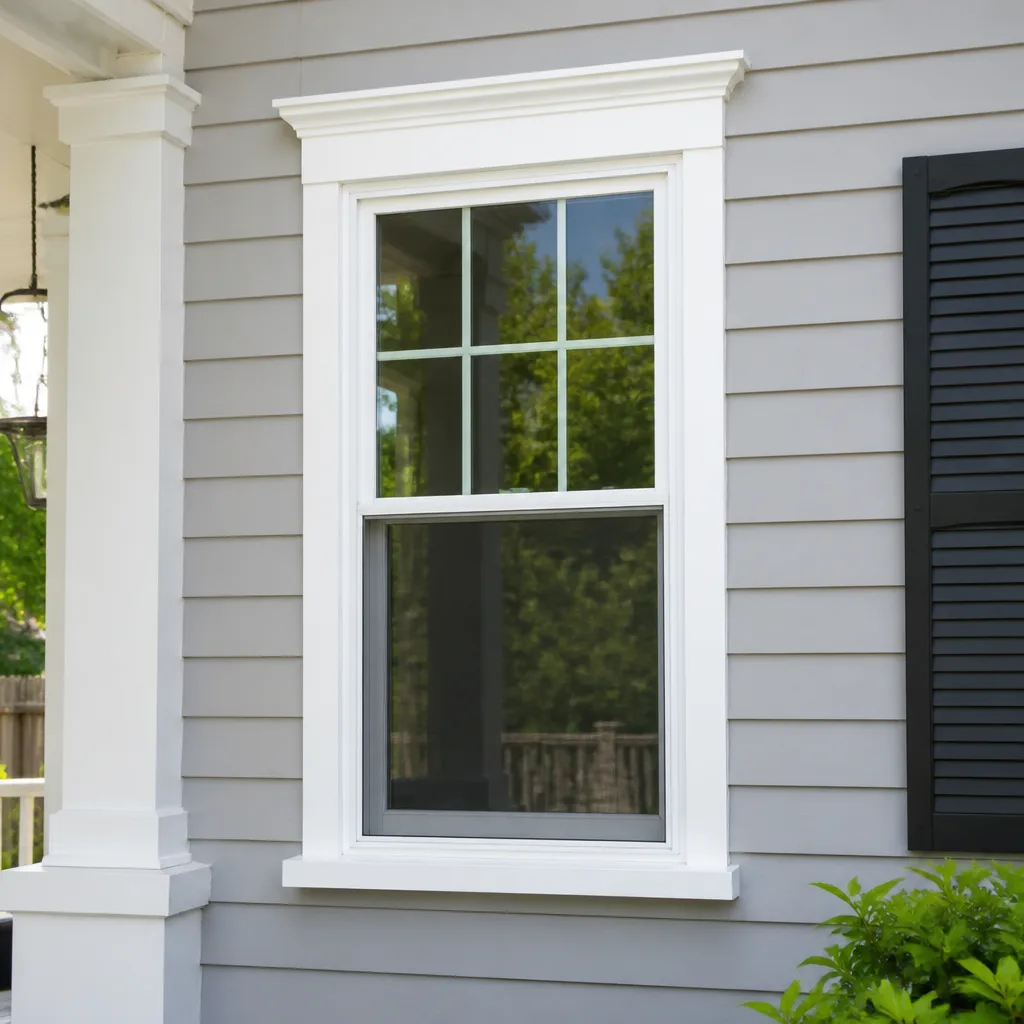

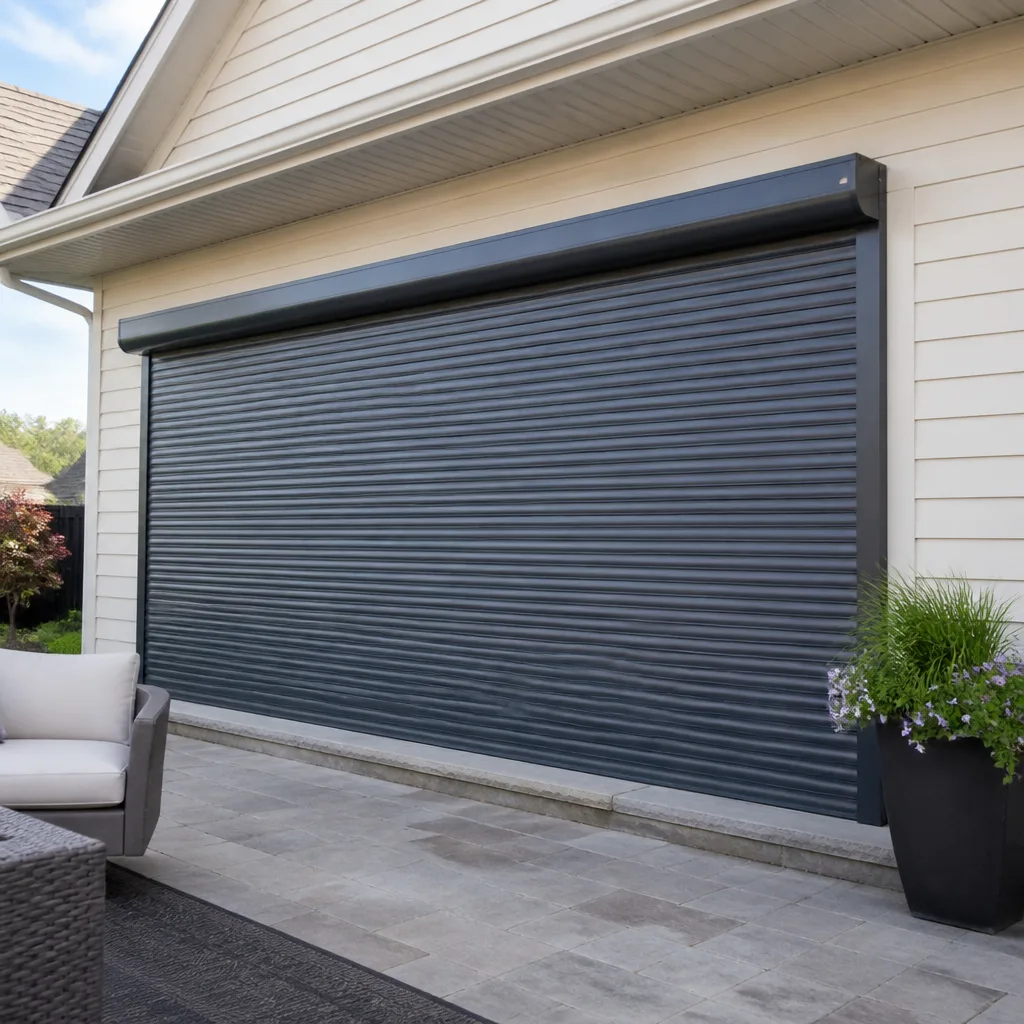

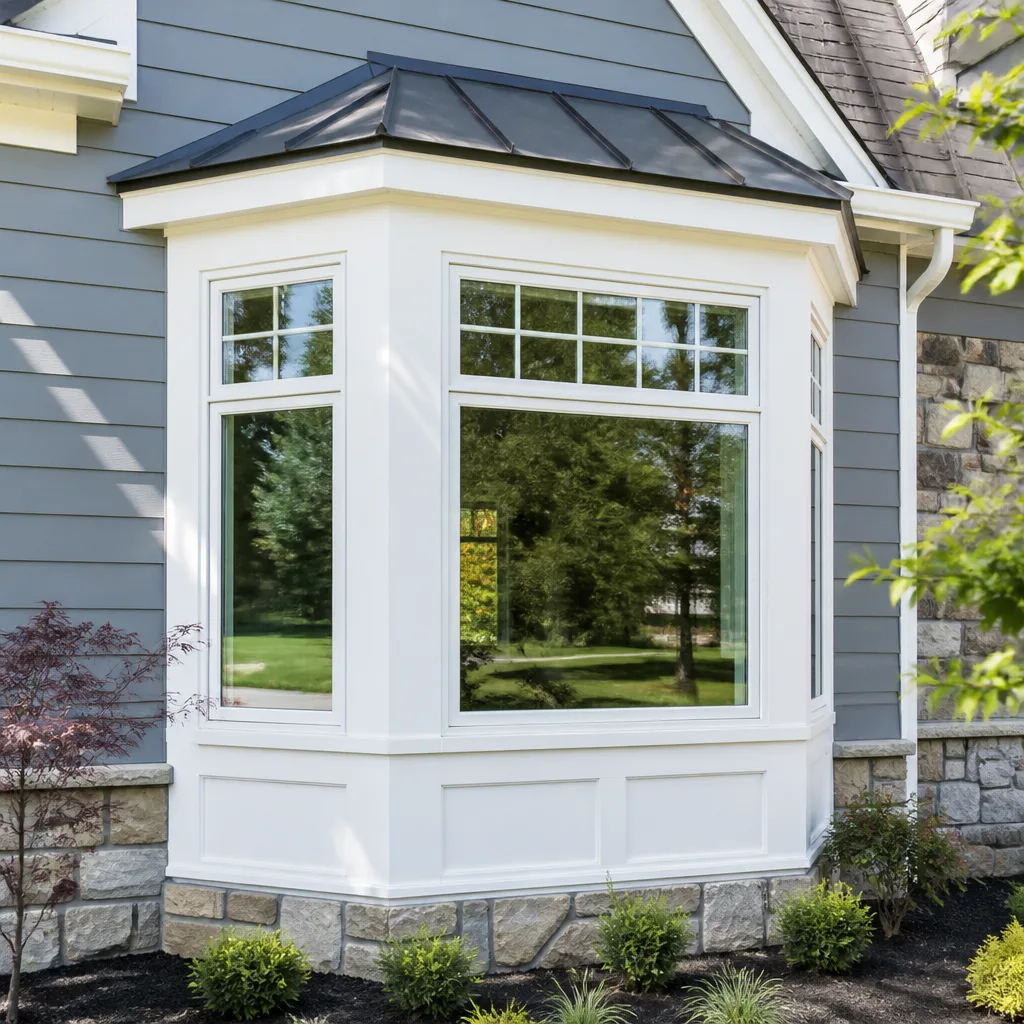





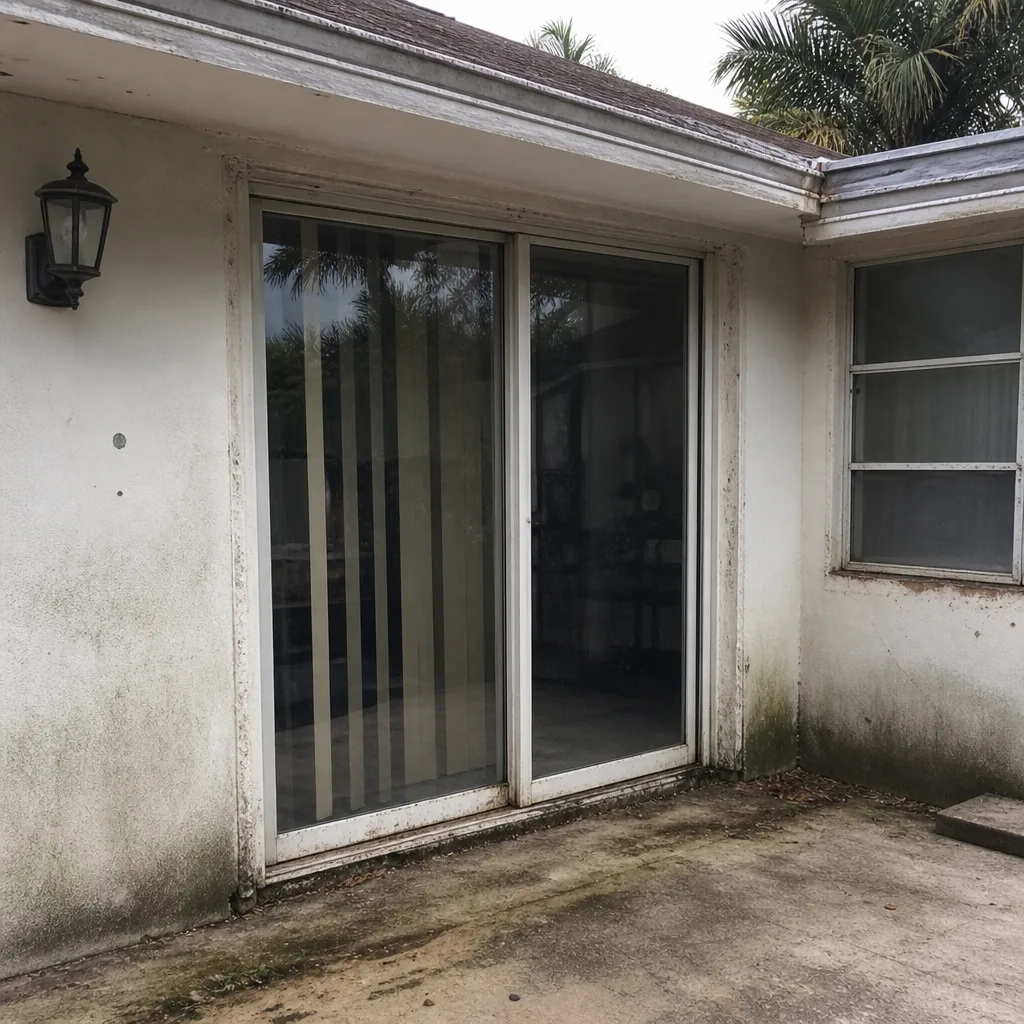 Before
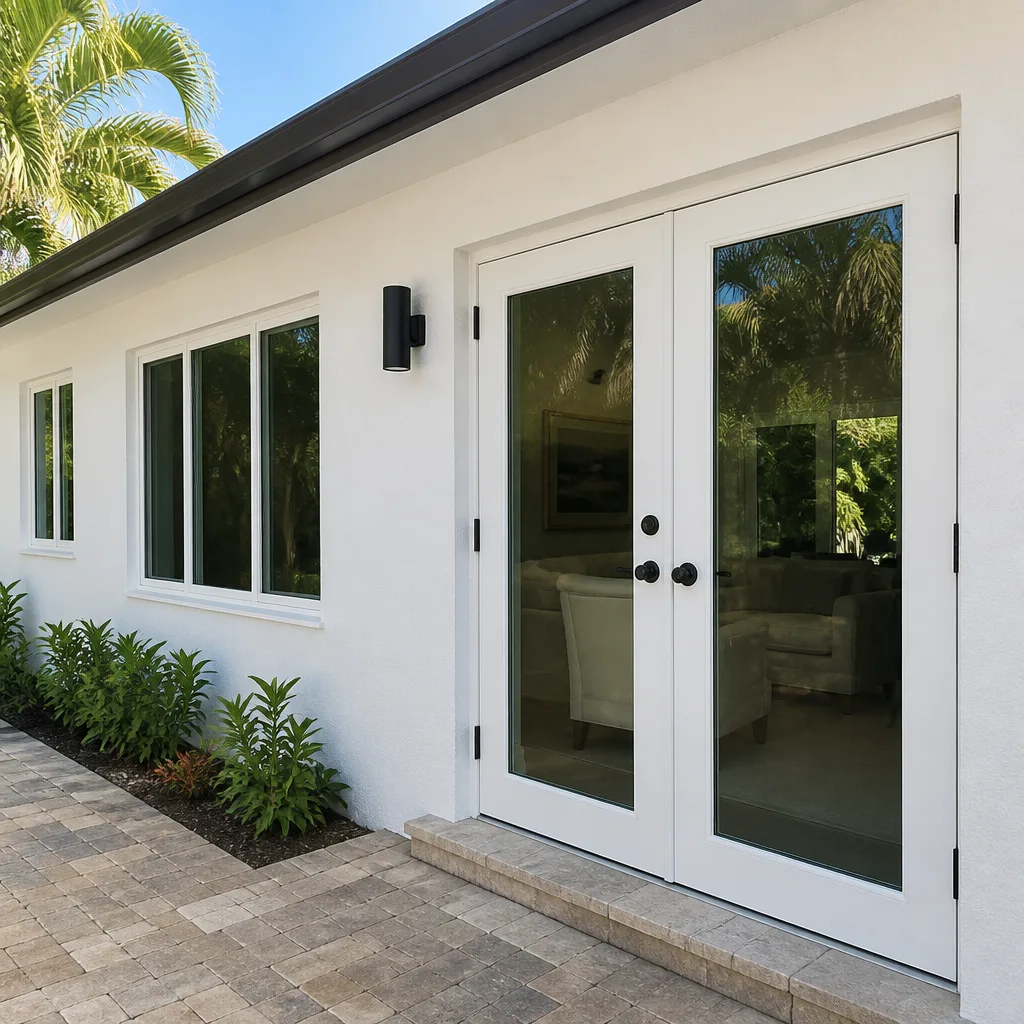 After
After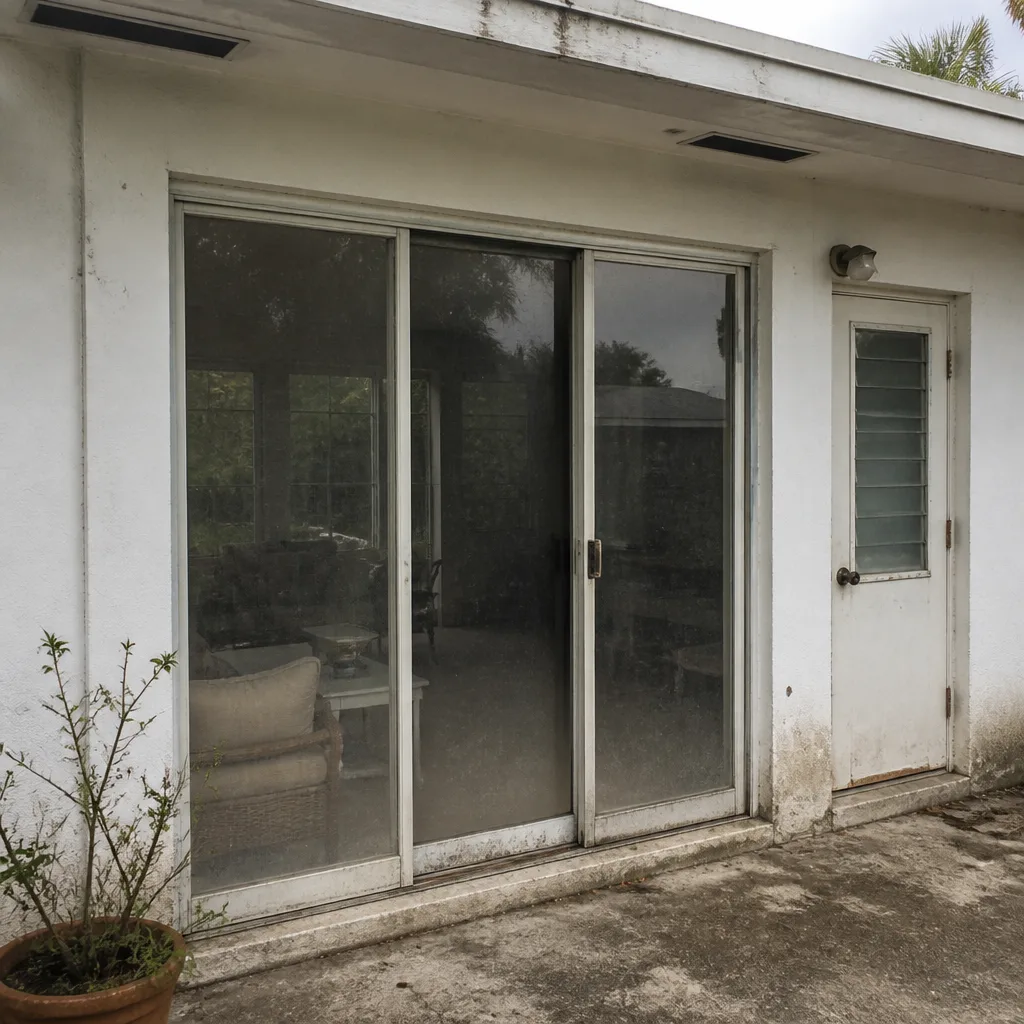 Before
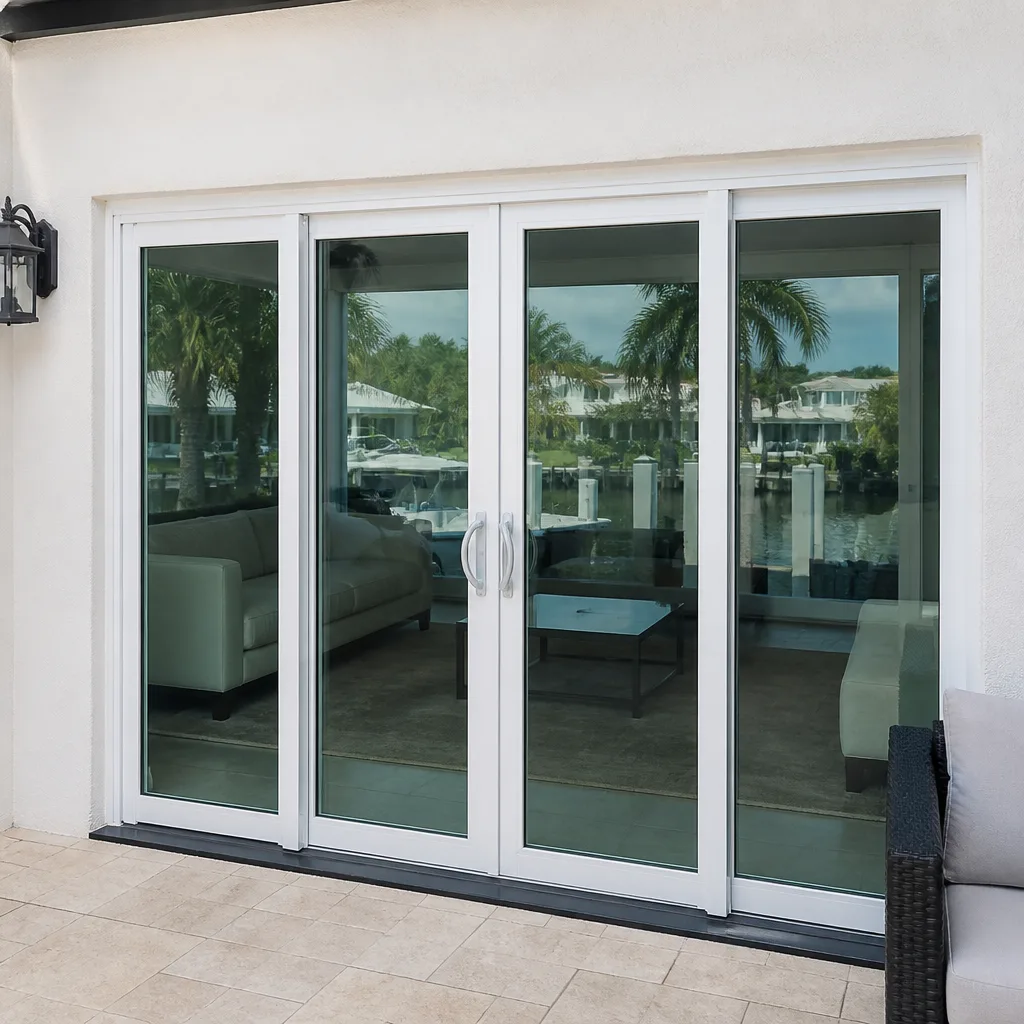 After
After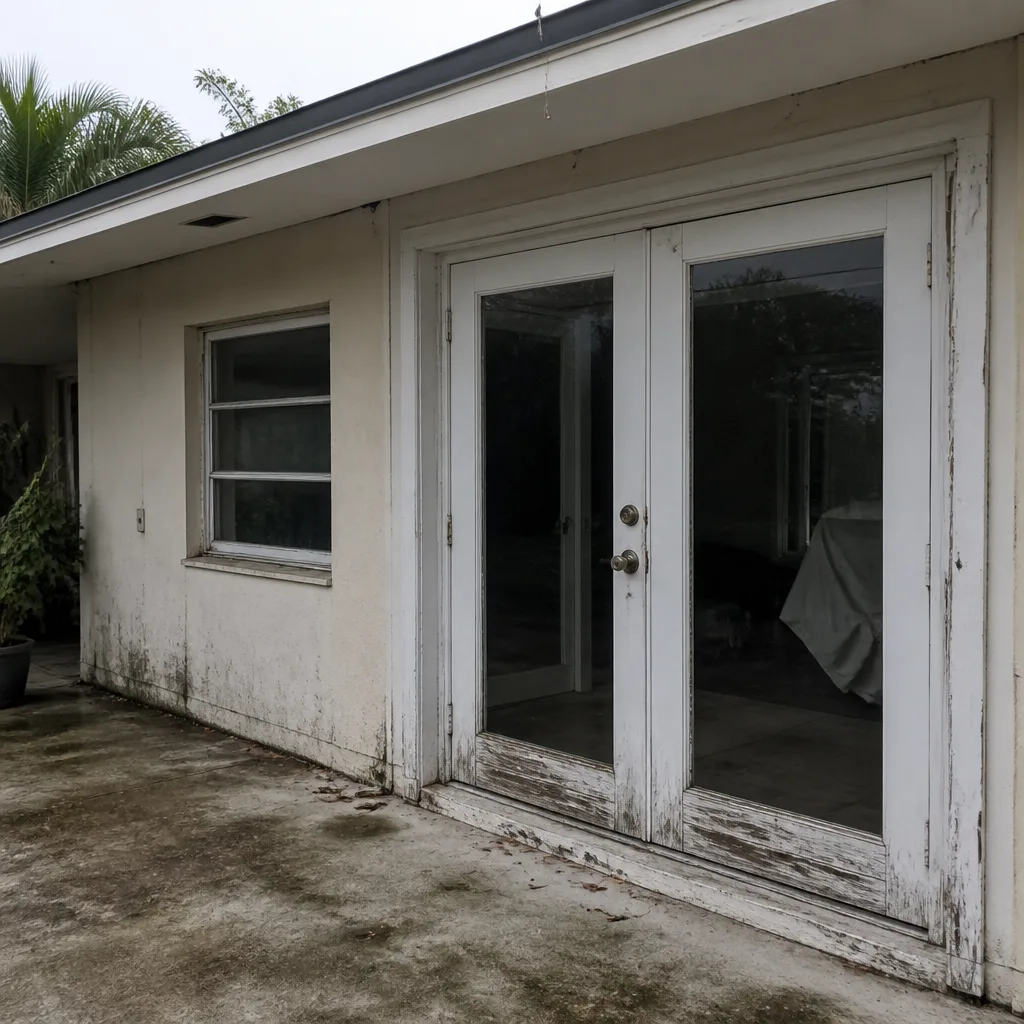 Before
 After
AfterImpact Windows Maintenance Checklist for Fort Lauderdale Homeowners
A clogged weep hole on an impact window frame can force standing water behind the sill, rotting the rough opening and voiding the installation warranty, and a can of compressed air every six months prevents it entirely. Most impact window failures in Fort Lauderdale are not caused by storms. They are caused by salt, silt, and standing water working on the parts manufacturers quietly expect homeowners to maintain but rarely explain. This guide, like our Impact Windows services, is built from more than four decades of field work in Broward County. You will learn where the weak points actually are, how to inspect them without a ladder or a screwdriver, and how to keep a paper trail that protects your warranty when the next big one rolls through.
Quick Answer
Impact window maintenance in Fort Lauderdale comes down to four tasks: clear the weep holes every six months, clean the tracks and hardware quarterly, inspect the perimeter sealant after any storm with wind-driven rain above 60 mph, and lubricate rollers, hinges, and locks on a salt-air schedule that runs roughly twice as often as what northern manufacturers print. Most of this takes under an hour per window per year, and the single most damaging condition we find is standing water in a track that drains into the frame instead of out of it.
Table of Contents
- Weep Holes: The Smallest Part With the Biggest Job
- Track and Sill Cleaning: Salt Is Not Passive
- Hardware Lubrication for a Salt-Air Climate
- Testing Glazing Tape Without Removing the Glass: The Flashlight Method
- The Perimeter Sealant Joint: What to Check After a Storm
- A Yearly Maintenance Schedule That Works in Broward County
- Documenting Your Checks So a Warranty Claim Holds Up
- Common Mistakes to Avoid
- When to Call a Professional
- Frequently Asked Questions
- The Bottom Line
Weep Holes: The Smallest Part With the Biggest Job
Every impact window and sliding glass door in Fort Lauderdale has small drainage openings on the exterior side of the bottom frame, usually one to three per window depending on width. They are easy to overlook because they sit low, they are small, and they look like a manufacturing detail rather than a maintenance point. In practice, the weep hole system is the only path standing water has to leave the frame. When it closes up with silt, dead vegetation, or salt crust, water pools inside the extrusion. South Florida’s wet season delivers rain often enough that a clogged weep hole turns into a persistent water source against the sill and rough opening below.
In Fort Lauderdale, we see weep hole failures most often on the east side of homes near the Intracoastal and on ground-floor windows facing landscaped beds. Wind-blown soil, lawn clippings, and mulch debris land on the sill, rain pushes it toward the drainage channel, and within a season the openings are blocked. The result shows up as water stains on the interior sill, a musty smell near the window, or paint bubbling at the bottom corners of the rough opening. By the time a homeowner sees those clues, water has been working against the framing for months.
How to Inspect and Clear Weep Holes
- On a dry day, go outside and look at the bottom edge of each window frame. You are looking for the small rectangular or slotted openings on the exterior face, typically near the corners.
- Shine a flashlight into each hole. A clean weep hole shows light reflecting back from the drainage channel inside the frame. A blocked one looks dark and packed with material.
- Use a can of compressed air with a narrow nozzle tip. Press the tip against the opening and give it three or four short bursts. Short bursts, not a long continuous blast, move debris without forcing it deeper into the channel.
- After clearing, pour a small cup of water slowly into the interior track of the window. Watch the exterior weep hole. Water should trickle out within a few seconds. If it does not, the blockage is deeper in the drainage channel, and that is worth a call to a glazier who can clear the interior passages without pulling the sash.
Never use a wire, a paperclip, a pipe cleaner, or any metal object to probe a weep hole. The interior drainage channel is coated to resist corrosion, and a scratch through that coating creates a new decay point that grows with every rain event. Compressed air and water are the right tools. If those do not clear it, the frame needs to be opened, not forced.
Fort Lauderdale’s wet season runs from May through October, and that means the weep holes should be checked in late April and again in late October. Twice yearly is sufficient for most homes. Homes directly on the Intracoastal or within a mile of the beach should add a third check in July, because salt crusts form faster there than inland.
Track and Sill Cleaning: Salt Is Not Passive
Salt in the air settles on horizontal surfaces, mixes with humidity, and forms a paste that holds grit. On a window track, that paste acts like a slow grinding compound every time the sash slides open or closed. Over years, it wears the roller bearings, scores the track surface, and makes operation rough. The same condition shortens the working life of the hardware and, in horizontal sliders, can pull the sash out of square, which changes how the weather seal seats.
Cleaning the tracks is the same process whether the windows are fixed, single-hung, casement, or horizontal sliders, with a few adjustments by style.
- Vacuum the track with a narrow crevice attachment to remove loose material. Do this before any wet cleaning. If you wet the track first, the sand turns to mud and moves deeper into the corners.
- Wipe the track with a damp microfiber cloth, not a dripping sponge. The goal is to lift salt residue, not to send water down the weep holes.
- For casement windows, pay attention to the hinge channel on the bottom edge of the sash. This is where salt buildup is worst because the channel faces upward and catches everything. Clean it with the same dry-then-damp order.
- For single- and double-hung windows, clean the jamb liners or balance channels along the sides. Dust and salt collect there and make the sash drag. A dry brush works better than a wet cloth for the balance mechanism.
- Wipe the track dry with a clean cloth when finished. Standing water left in the track is a mistake, not because it will leak immediately, but because it dissolves airborne salt and redistributes it into corners that are harder to reach.
Every three months is the right interval for most Fort Lauderdale homes. Homes within a half mile of the ocean should clean tracks every two months during the spring and summer, when southeast trade winds carry the heaviest salt load. This is a job that takes about five minutes per window and costs nothing.
If the window is hard to operate even after the track is clean, the problem is usually worn rollers or a bent hinge, not dirt. That is a repair, not a maintenance issue, and it is worth addressing before the dragging sash wears a flat spot on the roller and grooves the track permanently.
Hardware Lubrication for a Salt-Air Climate
Most manufacturers print a lubrication schedule that calls for once a year. That interval was written for average conditions, and average conditions do not describe Fort Lauderdale. Salt, humidity, and the daily temperature swing between air-conditioned interiors and 90-degree exteriors work on hardware hard. We recommend lubricating all moving hardware points every six months, and every four months for homes within a mile of the ocean.
The right lubricant matters. Avoid WD-40 for window hardware. It is a water displacer, not a lubricant, and it leaves a thin film that attracts dust and turns gummy in heat. For window and door hardware, use a dry silicone spray or a white lithium grease, depending on the component.
What to Lubricate
- Rollers on sliding windows and doors: Silicone spray, applied to the roller axle and the track contact line. Do not oil the track itself, oiled tracks collect sand.
- Hinges on casement and awning windows: Silicone spray on the pivot points and the hinge leaves. Work the sash open and closed a few times after application.
- Lock hardware and multipoint locking systems: White lithium grease on the moving locking pins and the strike plate contact points. A small amount is enough. Over-greasing attracts grit.
- Crank operators on casement windows: White lithium grease inside the crank housing, accessible by removing the operator cover. If the crank turns with roughness, this is the first thing to address.
- Weatherstripping: Not a lubricant, but a silicone-based rubber protectant keeps vinyl and EPDM weatherstripping from drying and cracking in salt air. Apply sparingly with a cloth. This extends the working life of the seal.
Brands matter less than the schedule. Hardware from all the major lines, including ECO Window Systems and ES Windows, responds to the same maintenance. The difference in Florida is frequency. A homeowner who lubricates once a year will typically get five to eight years from coastal hardware before it starts binding. The same hardware on a six-month schedule often lasts twelve to fifteen years.
Fort Lauderdale’s rain pattern also plays a role. After a week of daily thunderstorms, the humidity is high enough that any exposed steel in the hardware will begin surface rust within days. The lubrication schedule is not cosmetic. It is the difference between a window that opens easily for twenty years and one that needs a hardware replacement at year eight.
Testing Glazing Tape Without Removing the Glass: The Flashlight Method
Glazing tape, also called structural glazing tape or bedding tape, is the adhesive bond between the glass unit and the sash frame. On impact windows, this tape is part of what holds the laminated glass in place under load. It also provides the airtight and watertight seal between the glass and the frame. When glazing tape fails, the first symptom is usually not a leak. It is a faint rattle, a glass unit that shifts slightly when pressed, or condensation forming between the panes that comes and goes with the weather. By the time a visible leak shows up, the tape has been failing for months.
There is a simple field test we use that homeowners can do without tools and without removing anything from the window. It works best in late afternoon or evening, when the sun is low and shadows are long.
The Flashlight-Angle Test
- Close and lock the window completely.
- From the inside, hold a bright flashlight at a 45-degree angle to the glass surface, about six inches from one corner.
- Look at the reflection off the glass. A properly bedded insulating glass unit produces a single, clean reflection with no distortion. If the glass is not uniformly bonded, pressure from your hand on the frame will create a slight flex in the reflection, and the unit will appear to move or ripple.
- Place one hand flat on the glass and push gently, no more than a pound or two of pressure. Watch the edge of the glass where it meets the interior frame. Any visible movement at the edge, more than a hair’s width, suggests the glazing tape has lost adhesion in that corner.
- Repeat on all four corners and along the center of each edge. Mark any point where the glass shifts.
This test works because the sash is extruded aluminum or vinyl, and it flexes slightly under load. The glass itself does not flex. If the tape is intact, the glass and sash move as one unit. If the tape has released, the glass moves independently.
In our Fort Lauderdale service area, glazing tape failure is more common in west-facing windows and in windows that receive full afternoon sun on the second story. Heat cycles expand and contract the aluminum frame and the glass at different rates, and over ten to fifteen years, the adhesive bond breaks down. The failure is gradual, and the flashlight test catches it early enough that the repair is simple and inexpensive, a re-bed, rather than a full unit replacement.
The Perimeter Sealant Joint: What to Check After a Storm
Most homeowners look at the glass after a storm. The glass is the wrong place to look first. The outer perimeter sealant joint, the line of sealant where the window frame meets the stucco, block, or trim of the house, is the surface that sees the full force of wind-driven rain. The glass is protected by its lamination. The sealant joint is the frontline defense.
After any storm in Fort Lauderdale that brings wind-driven rain above 60 mph, walk the exterior perimeter of every window and door opening. You are looking for the conditions below.
- Separation from the frame or the wall: A gap of any visible width, even a hairline, is an entry point for water. Run the tip of a plastic putty knife along the joint. If it slips behind the sealant, the bond is broken.
- Cracking in the sealant bead: Hairline cracks are normal as sealant ages. Widening cracks or cracks that connect to form a continuous line are not normal and signal that the joint is near the end of its service life.
- Soft or spongy areas: Press the sealant with a fingertip. It should feel firm but slightly flexible. If it feels soft, gummy, or mushy, UV degradation has broken the polymer chain and the joint is no longer waterproof.
- Chalking on the surface: A white powdery residue that rubs off on a finger means the sealant surface is oxidizing. This is not a leak on its own, but it means the remaining life of the joint is short.
- Silt lines or water staining below the joint: Look at the wall surface directly beneath each window. A brown or gray streak running down from a corner means water has already moved behind the sealant and found a path out.
In Fort Lauderdale, the wind-driven rain from a strong summer thunderstorm or a tropical storm can approach hurricane force for short periods. The perimeter sealant is designed to handle that water if it is intact. It is not designed to handle that water if it is ten years old, UV-baked, and pulling away from the frame. We recommend checking the perimeter joint at the start of June each year and again after any storm that brings sustained wind above tropical storm force.
Sealant repair is one job where doing it early matters more than any other. A window that lets water behind the frame for a single wet season can rot the rough opening, damage the flashing, and create a situation where the only proper fix is pulling the window entirely. The cost difference between recaulking a joint and re-flashing a replacement window is substantial, and the first version is a one-day job.
A Yearly Maintenance Schedule That Works in Broward County
The manufacturers publish maintenance schedules that assume a homeowner will remember to do everything at once. In practice, homeowners do not, and the maintenance gets skipped. The better approach for Fort Lauderdale is to anchor each task to a specific month, tied to the weather pattern, so the work happens when conditions make it necessary. For Seasonal Windows & Doors Care for Fort Lauderdale: Year-Round Homeowner’s Guide, timing is everything.
Recommended Fort Lauderdale Impact Window Maintenance Schedule
| Month | Task | Focus Areas |
|---|---|---|
| April | Pre-wet-season weep hole check and clearing | All windows, ground floor first, east-facing walls first |
| May | Perimeter sealant inspection | West-facing windows, any joint over 8 years old |
| June | Track cleaning and first hardware lubrication | Sliders and casements, all tracks |
| July | Mid-season weep hole check (coastal homes) | Homes within a mile of the ocean or Intracoastal |
| September | Post-storm perimeter check if any wind event above 60 mph | All windward-facing windows |
| October | End-of-wet-season weep hole check and track cleaning | All windows, focus on ground-floor south-facing walls |
| December | Hardware lubrication and weatherstripping conditioning | All moving hardware, all weatherstripping |
This schedule puts the most critical tasks where they have the most effect. The April weep hole check happens before daily rain begins. The October check catches anything that accumulated during the wet season before the dry season bakes it into a hard crust. The December lubrication protects hardware through the cooler months and keeps the window operating smoothly all year.
Homeowners in Fort Lauderdale neighborhoods like Victoria Park, Rio Vista, and Coral Ridge, where many homes are block construction with stucco exteriors, should pay extra attention to the sealant joint. Stucco and block expand and contract at a different rate than aluminum window frames, and the differential stress on the sealant is higher than on wood-framed homes. The same maintenance task is more urgent on these homes because the failure mode is faster.
Documenting Your Checks So a Warranty Claim Holds Up
Manufacturer warranties on impact windows carry obligations for the homeowner. The exact terms vary by manufacturer, but the common thread is that the warranty covers manufacturing defects and glass seal failures, not damage that results from neglected maintenance. When a water intrusion claim goes to a warranty review, the first question the manufacturer asks is whether the homeowner performed reasonable maintenance. If the answer is no and the failure happened at a weep hole or a deteriorated sealant joint that the homeowner never inspected, the claim is usually denied.
The way to protect a warranty claim is the same for any Fort Lauderdale homeowner, and it costs nothing but ten minutes twice a year.
- Keep a simple log, paper or digital. A notebook works fine. A notes app works fine. The format matters less than the consistency.
- For each maintenance session, write the date, the windows checked, and what you did: “Cleared weep holes on all first-floor windows with compressed air. Confirmed drainage with water test. No blockages found.”
- If you find a problem, photograph it. Photos of a crack in the sealant joint, a water stain on the interior sill, or a window that will not operate are the best evidence you can have.
- Keep receipts for any materials you buy: compressed air, silicone spray, sealant. These show that the maintenance was actually performed.
- If a professional does the work, keep the invoice and note on it which windows were serviced. An invoice from a licensed window contractor carries more weight with a warranty department than a notebook entry.
- If water intrusion does occur, document the date, the weather event, and the location of the leak before calling anyone. Photos from the interior showing where the water entered are important. Water moves, and a leak that looks like it is at one point may have originated at another.
This documentation does not guarantee a warranty claim will be approved, but it changes the conversation. A homeowner with a two-year maintenance log, photos, and receipts is negotiating from a position of strength. A homeowner with no records is asking a manufacturer to trust that maintenance happened, and manufacturers in the impact window business do not operate on trust.
We register both manufacturer warranty layers in writing on every job through TruePane Windows & Doors, and part of that process means explaining to the homeowner exactly what the warranty requires of them. The paperwork only protects the parts that are maintained.
Common Mistakes to Avoid
- Using oil-based lubricants on tracks and rollers: Oil attracts sand and salt, and in Fort Lauderdale both are present in abundance. Within a few months, an oiled track turns into grinding paste that wears rollers faster than no lubrication at all.
- Clearing the weep holes is enough; skipping the water test: Compressed air will move loose debris, but it will not clear a compacted silt plug deeper in the drain channel. The water test shows you whether the system actually works, and skipping it gives false confidence.
- Painting over the perimeter sealant joint: Latex paint does not bond to silicone or polyurethane sealant, and the crack in the paint does not mean the joint is failing. But the temptation to “cover up” a visible crack with paint increases the chance of hiding a real leak until the rough opening is damaged.
- Assuming the window is warrantied no matter what: Every impact window warranty has exclusions for maintained items, and the weep hole system, sealant joints, and hardware are all maintained items. The warranty covers the glass and the frame manufacturing, not the neglect of water management parts.
- Lubricating only when a window sticks: By the time a window is hard to operate, the hardware has been wearing dry for months. Lubrication is preventive, not corrective. A glazier schedules it, and so should a homeowner.
- Using a pressure washer to clean window exteriors: Pressure washers force water past sealant joints, into weep holes, and behind the frame. In a salt-air environment, they also drive salt and sand deeper into working parts. A garden hose at low pressure, or a soft brush and bucket, is the right tool.
- Replacing a damaged sealant joint with store-bought caulk and assuming it is fixed: A proper perimeter sealant job requires cutting out the old bead, cleaning the joint, applying a backer rod for deep joints, and tooling a continuous new bead that bonds to both surfaces. Surface-applied caulk over failing sealant peels within one wet season.
When to Call a Professional
Most of this checklist is designed for a homeowner to do safely from the ground. The exceptions are real, and they are worth respecting. Call a professional glazier when a weep hole is blocked beyond what compressed air and water can clear, because the drainage channels inside the frame can only be reached by removing the sash. Call when the flashlight-angle test shows glass moving independently from the sash, because a re-bed is not a homeowner repair. Call when the perimeter sealant joint has visible separation, deep cracking, or soft spots anywhere along its length. Call when water has already appeared inside the home, because by then the source is rarely where the stain is. TruePane Windows & Doors offers free estimates in Fort Lauderdale, call (754) 310-3589 to schedule one. A window that leaks in the wet season will not stop leaking until the water path is found and fixed.
Frequently Asked Questions
Impact windows in Fort Lauderdale should be maintained twice a year at minimum, with weep hole checks in April and October, track cleaning every three months, and hardware lubrication every six months. For more guides & resources on keeping your windows in top condition, explore our blog. Homes within a mile of the ocean should add a July weep hole check and move to four-month lubrication intervals because salt accumulation is faster in the coastal air.
Clogged weep holes trap water in the frame, and in Fort Lauderdale’s wet season that means the frame holds water against the sill and rough opening for days at a time after every rain. Over one or two years, the rough opening rots, the paint bubbles, and the installation warranty is voided because the failure was caused by plugged drainage, not a manufacturing defect.
No. WD-40 is a water displacer, not a lubricant, and the film it leaves attracts dust and salt that turns to grit in the track. Use dry silicone spray on rollers and hinges, and white lithium grease on lock hardware and crank operators.
Test the glazing tape bond with a flashlight at a 45-degree angle, looking for ripples or movement in the glass reflection when you press gently on the pane. Any visible movement at the glass edge means the adhesive bond between the glass unit and the sash has released, and that condition will eventually allow water into the frame.
Impact windows need a perimeter sealant inspection after any storm that brings sustained wind-driven rain above tropical storm force, which in Fort Lauderdale includes strong summer squalls as well as named storms. The glass itself rarely needs attention, but the sealant joint takes a beating in high wind and should be checked for separation, cracking, and soft spots.
DIY maintenance costs about $40 to $80 per year for compressed air, silicone spray, and cleaning supplies. Professional maintenance, including track cleaning, hardware lubrication, and perimeter sealant inspection, typically runs $89 to $175 per visit depending on the number of windows. An impact window expert in Fort Lauderdale can provide exact pricing after seeing the home. Call (754) 310-3589 for a free estimate.
The Bottom Line
Impact windows are built to take a hurricane, but they require steady, boring maintenance to keep doing it. The weep holes need air and water twice a year. The tracks need vacuuming every three months. The hardware needs silicone and lithium grease on a salt-air schedule, not the one printed in a northern manual. The glazing tape and perimeter sealant need eyes and a flashlight, not a tool kit. All of it should be written down. None of it is hard. In Fort Lauderdale, the difference between a window that lasts twenty years and one that leaks in eight is usually not the brand on the frame. It is whether anyone ever cleared the weep holes. If something on this list has been ignored for a few seasons, call a professional for a proper window inspection, and if the frame itself is beyond maintenance, it is time to think about replacement in Fort Lauderdale.
Written by Dale Kessler, Owner at TruePane Windows & Doors, serving Fort Lauderdale since 2008.
Six Reasons Homeowners Choose TruePane Windows & Doors
Impact systems engineered to design pressures up to +/-100, matched to your wind zone - your openings hold when the storm arrives.
Low-E insulated impact glass from our manufacturer lines commonly cuts monthly cooling bills 20-30%.
Laminated impact glass shuts out up to 40% of outside noise - traffic, neighbors, weather.
Monitoring services run $30-90 a month. Laminated impact glass resists forced entry around the clock, with no subscription.
Florida homeowners average around 25% savings on the windstorm portion of their policy after protecting every opening - some homes qualify for more.
A full impact package upgrades curb appeal, buyer confidence and appraised value in one project.