

Last updated August 28, 2026
Free in-home measure and quote - PGT, CGI and CWS impact lines compared on your actual openings, style by style
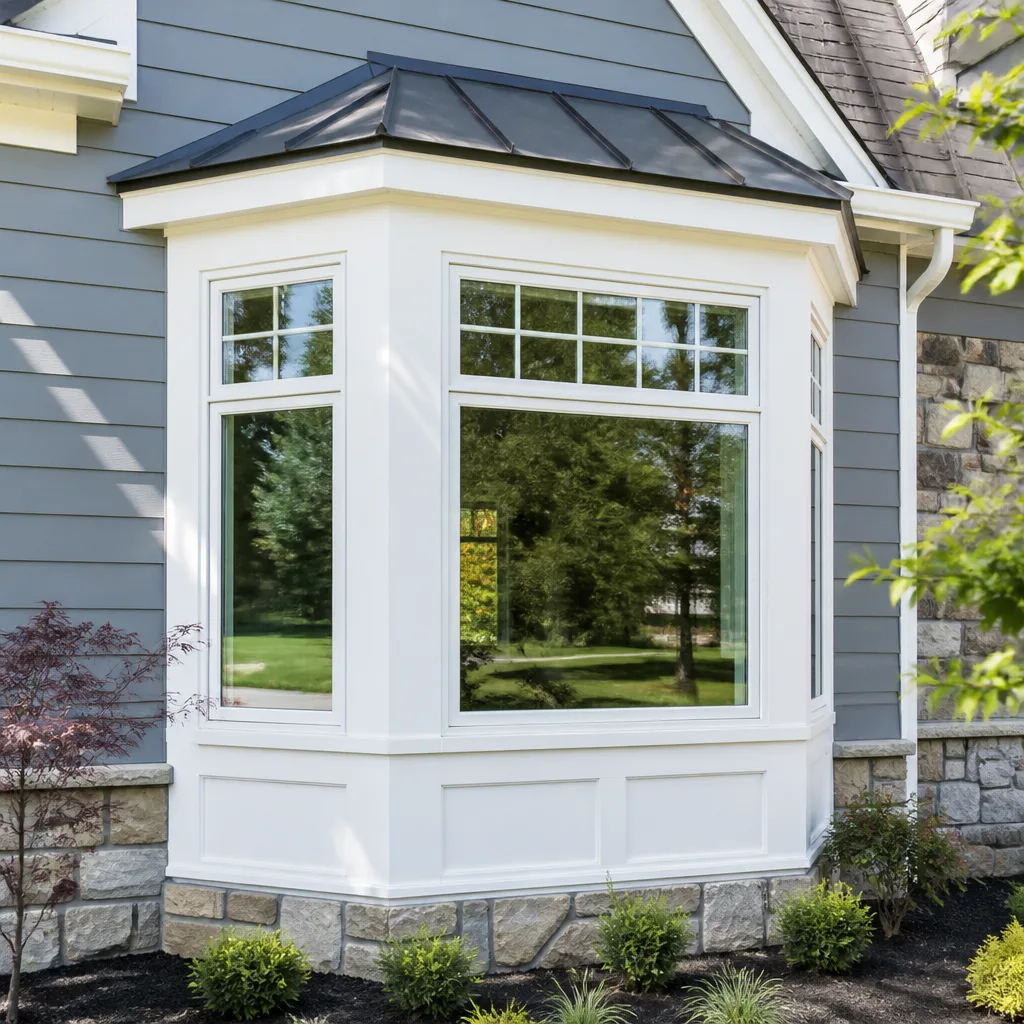
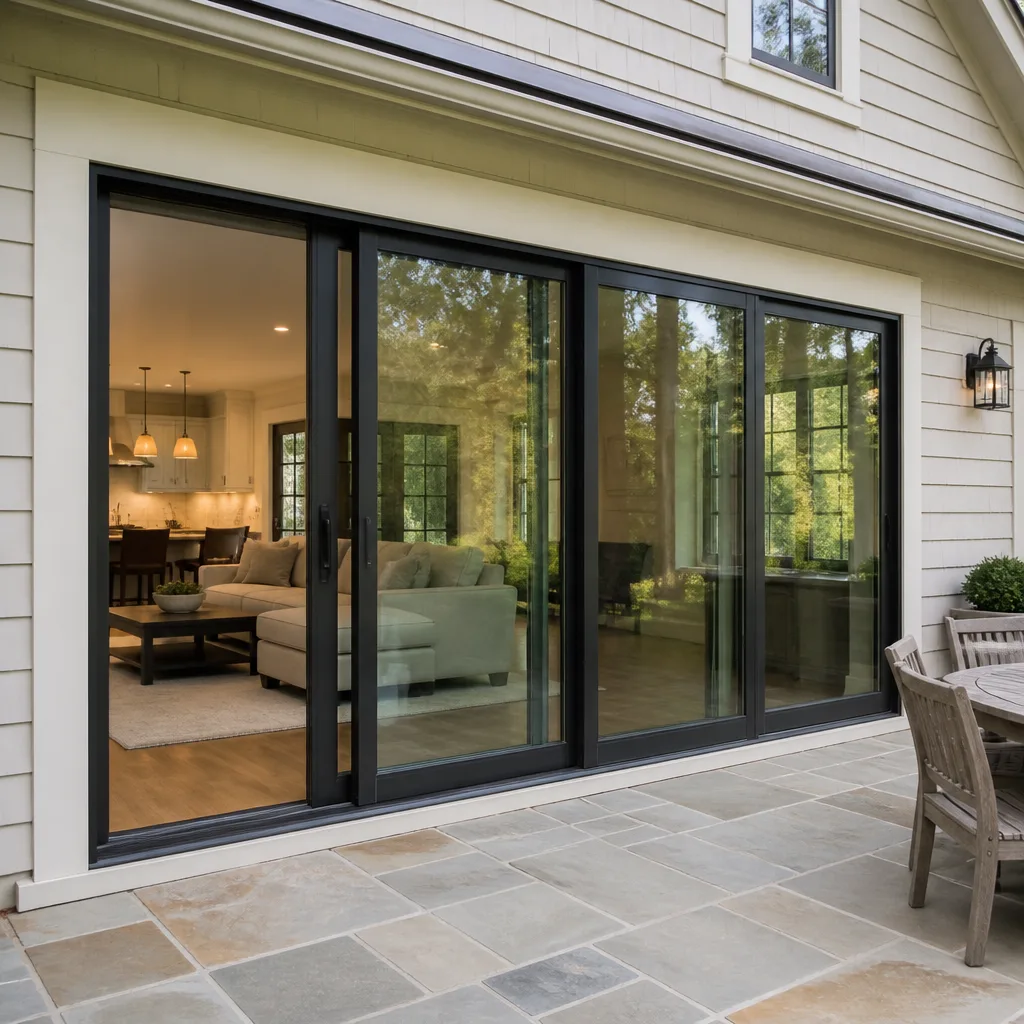
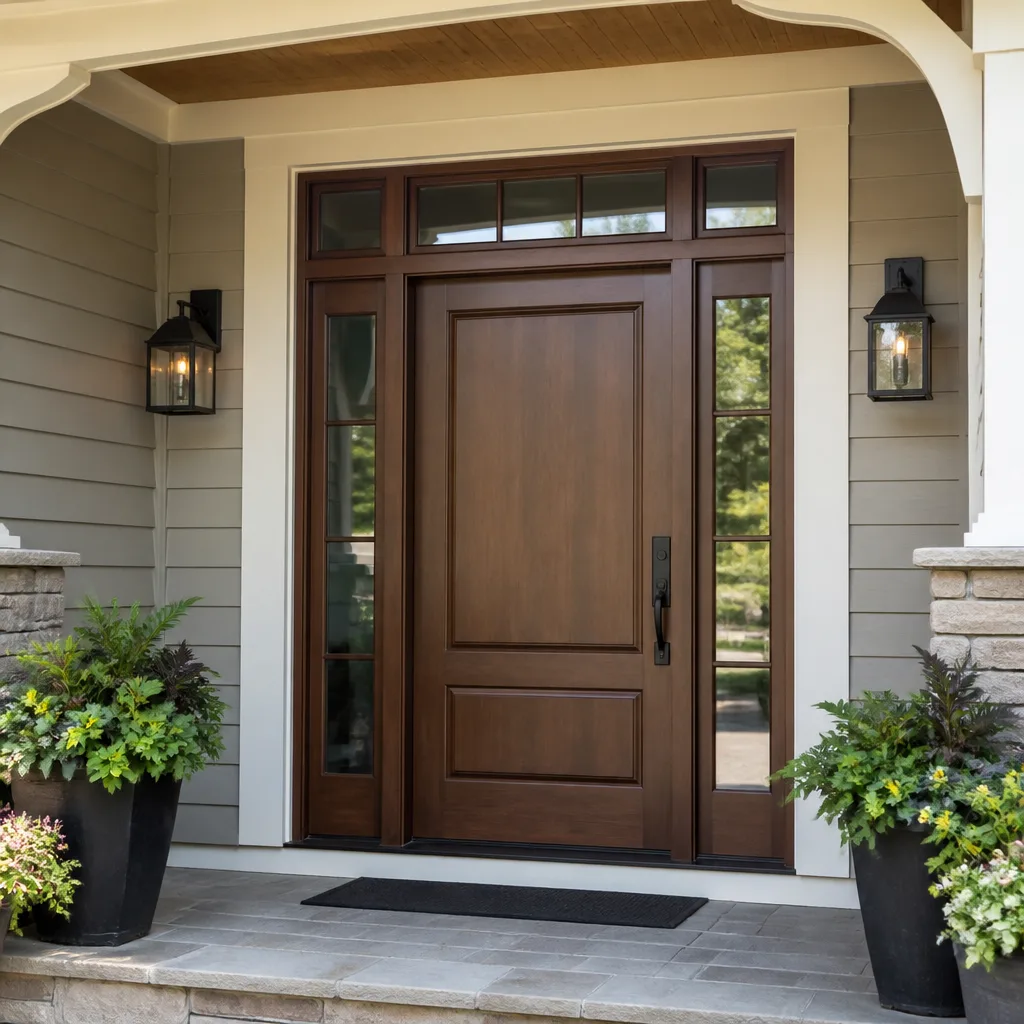
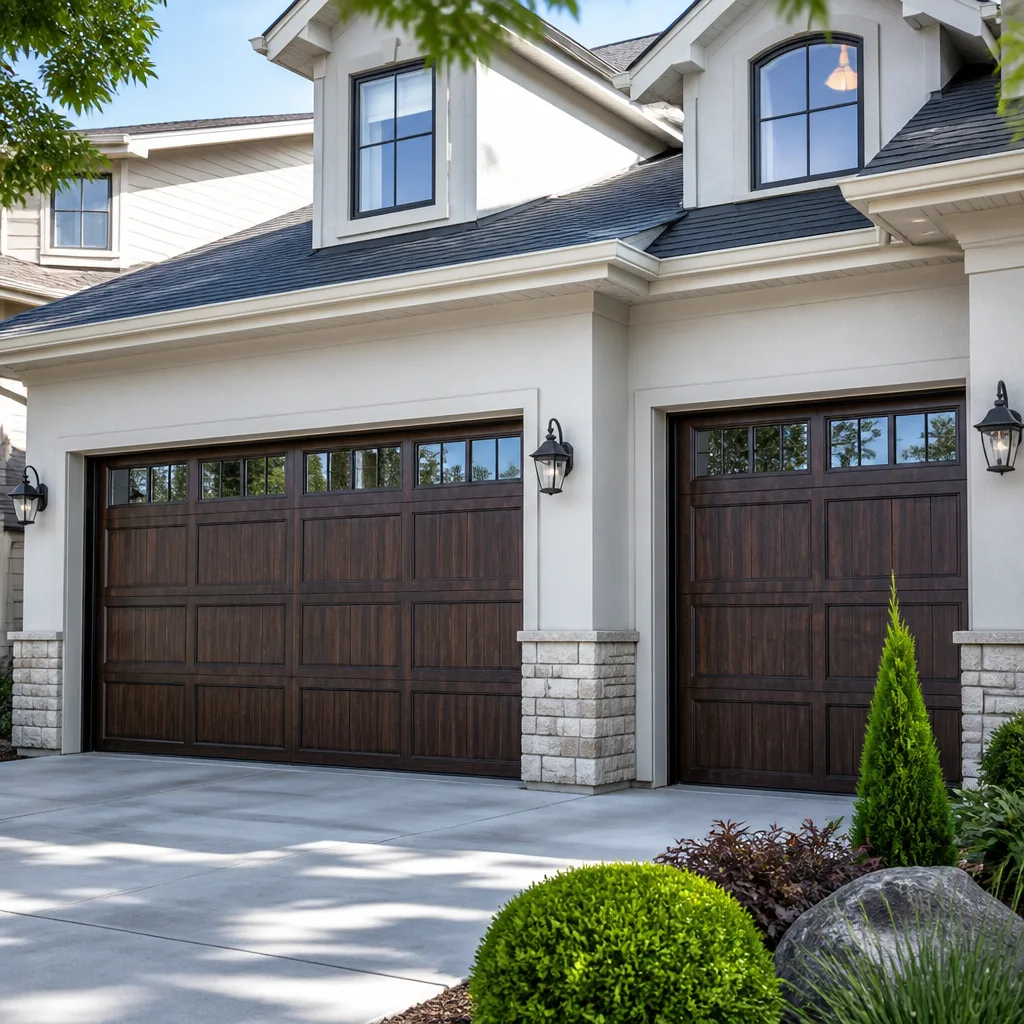

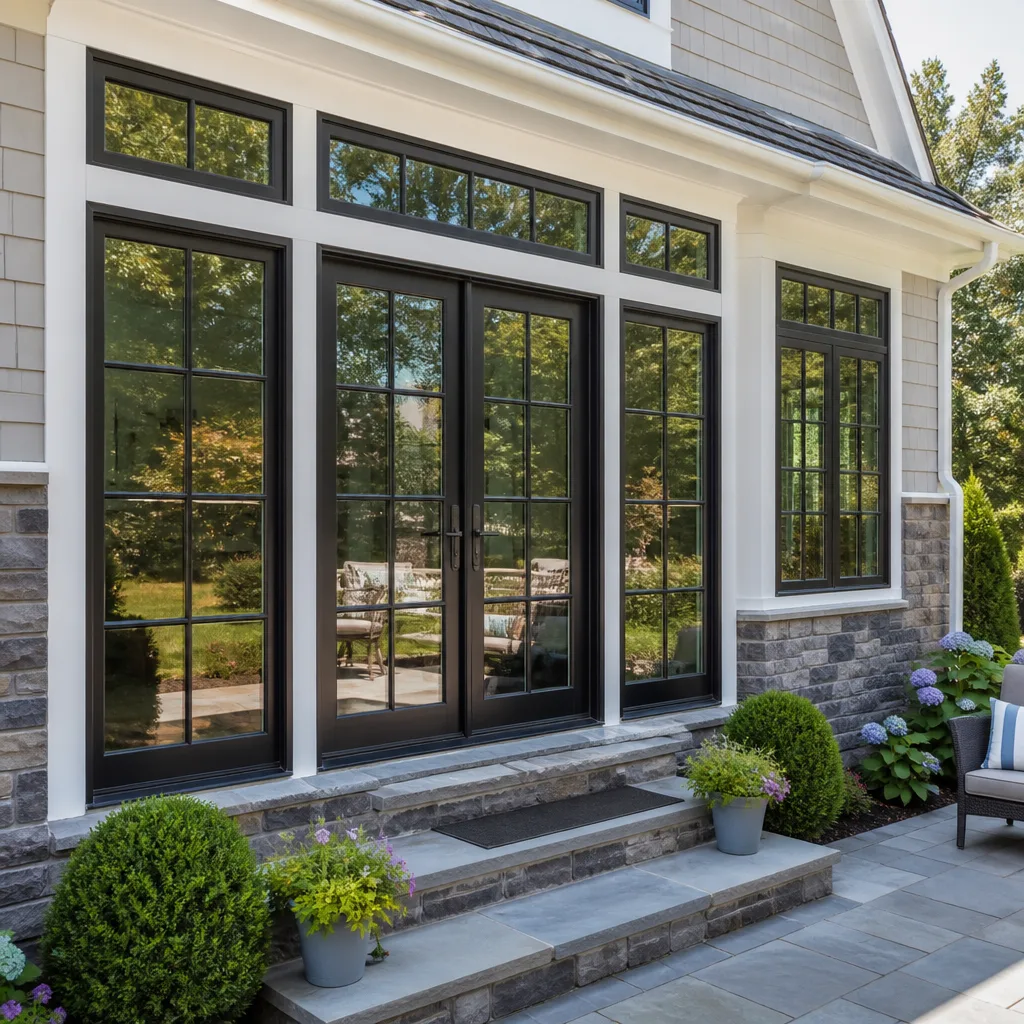
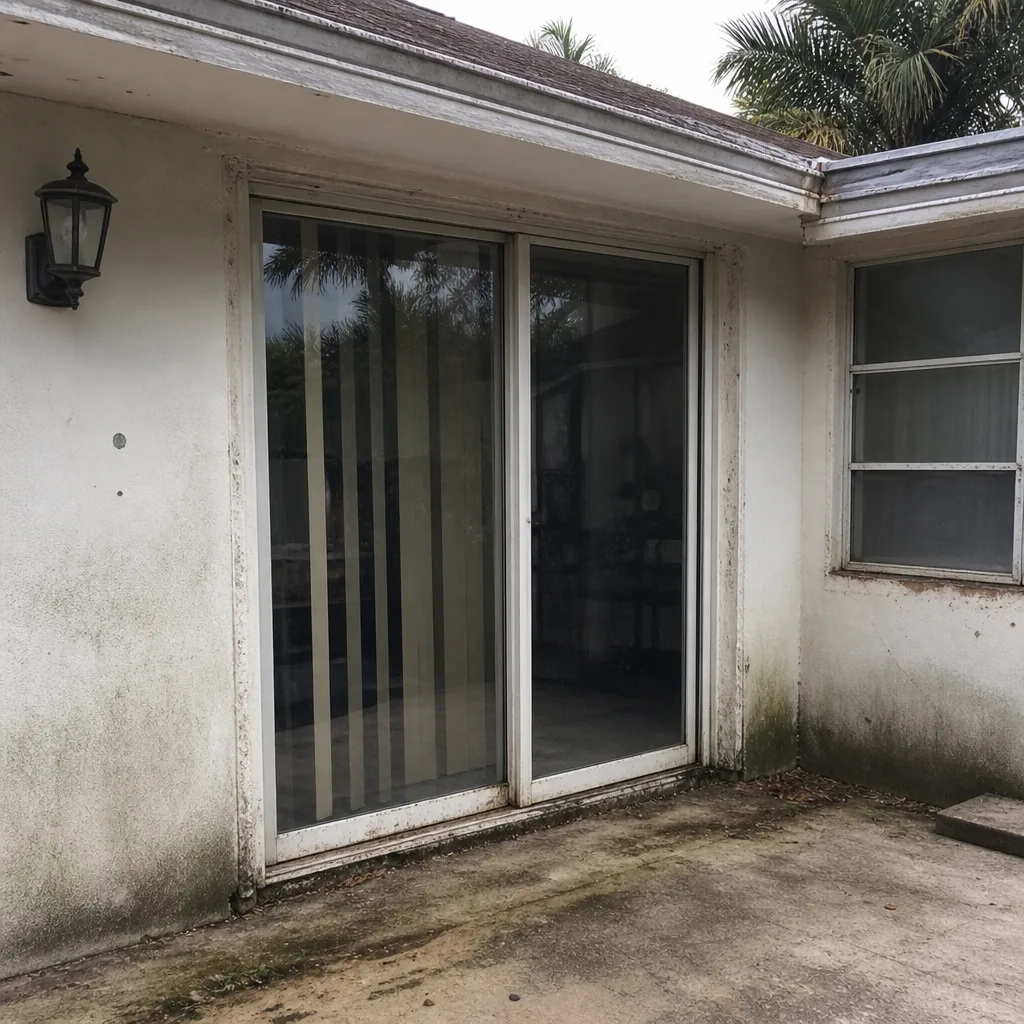 Before
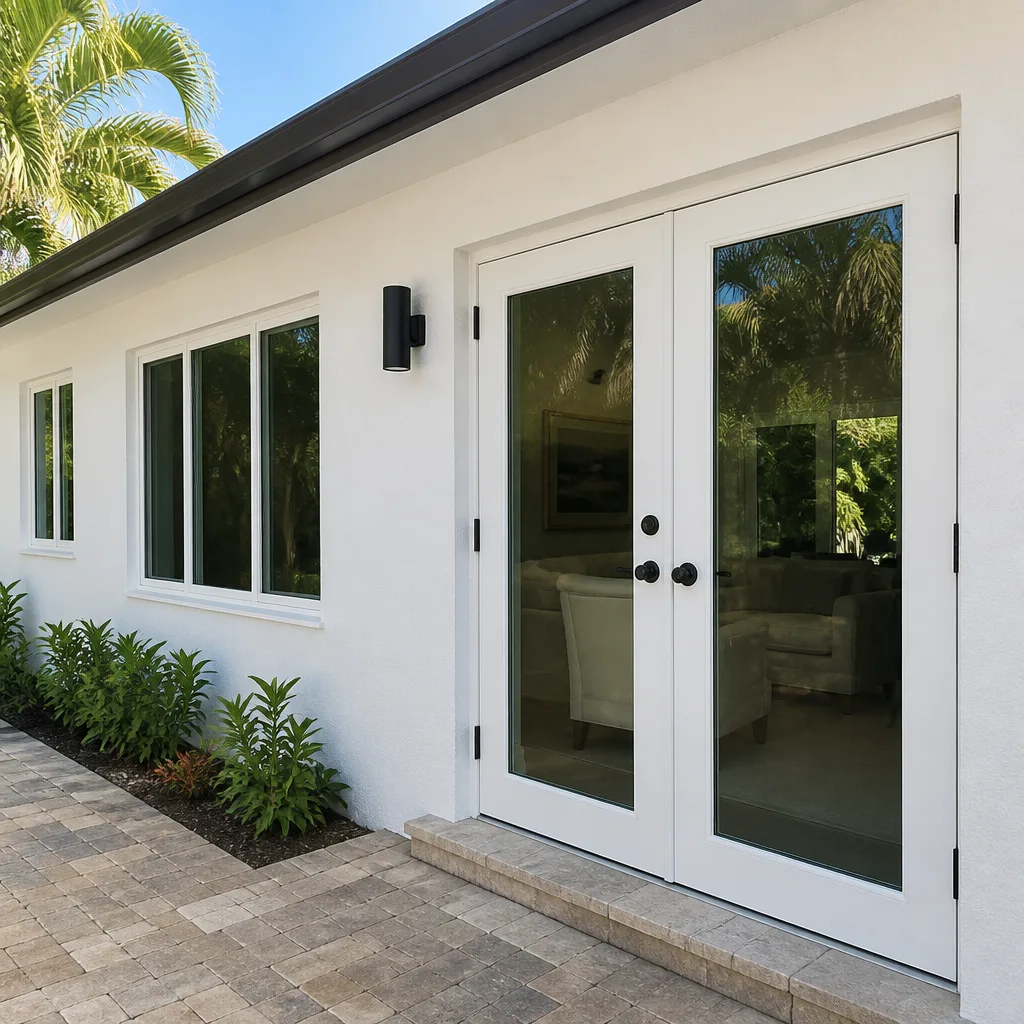 After
After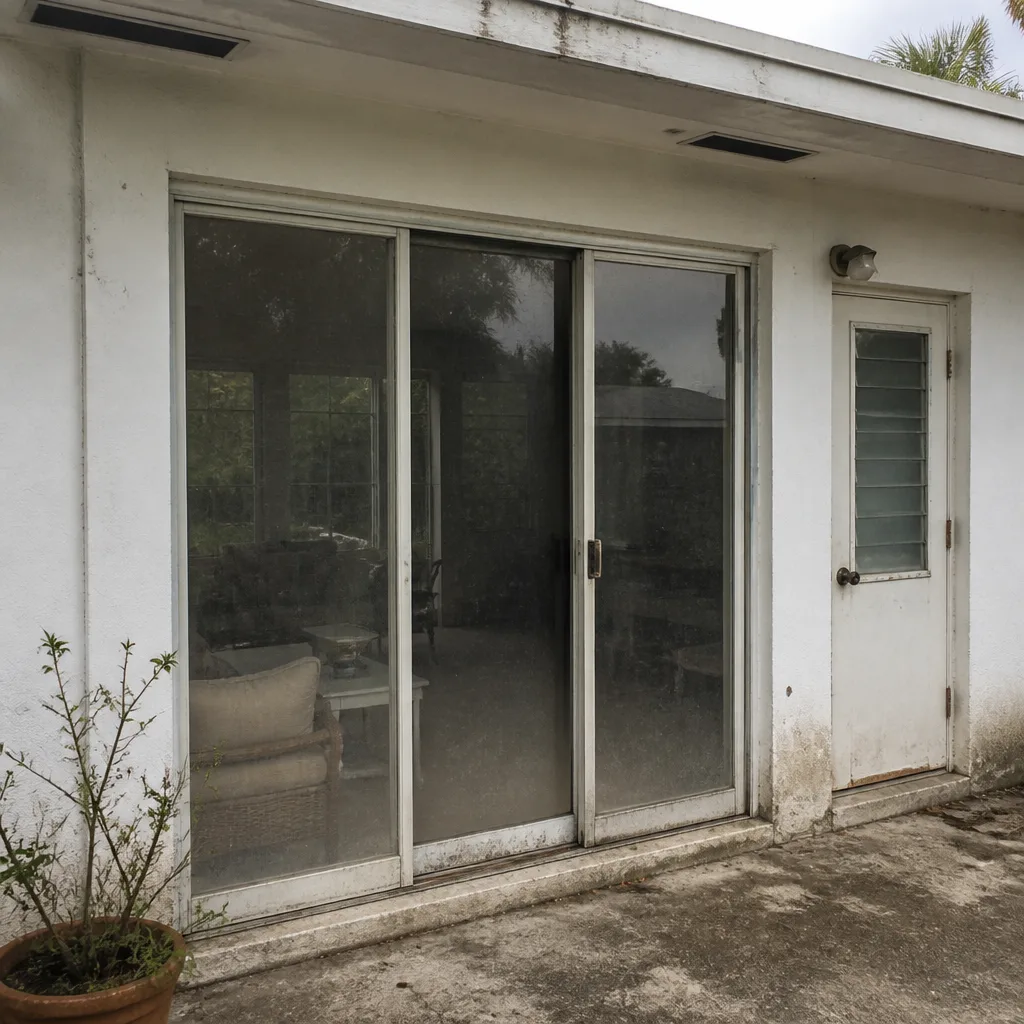 Before
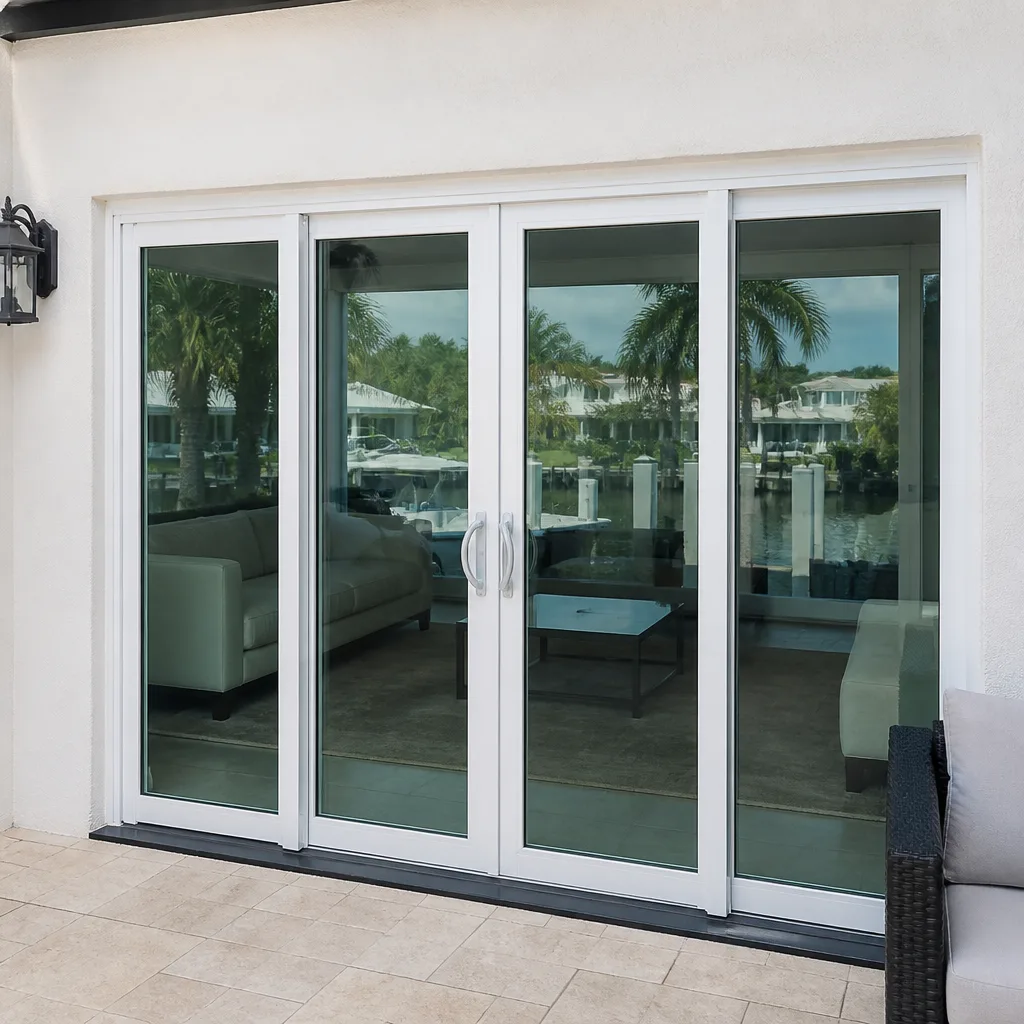 After
After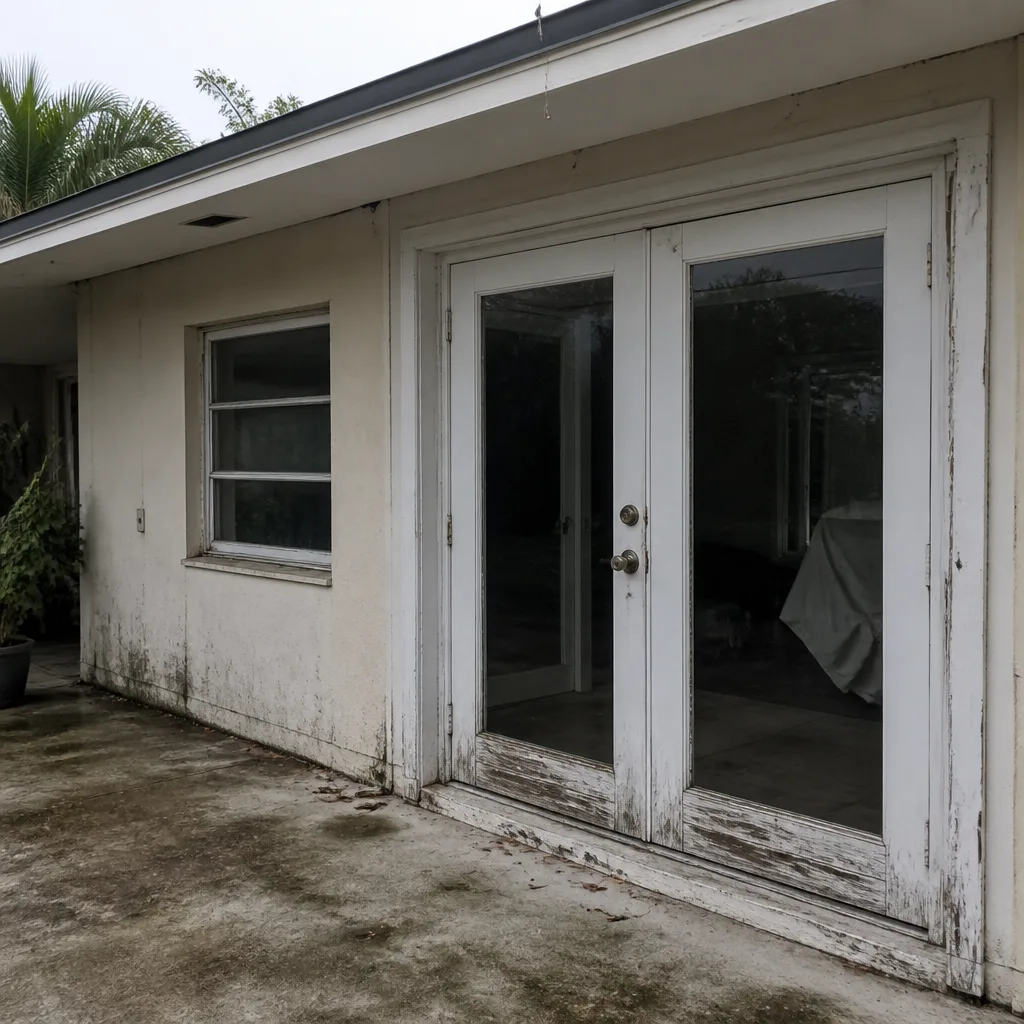 Before
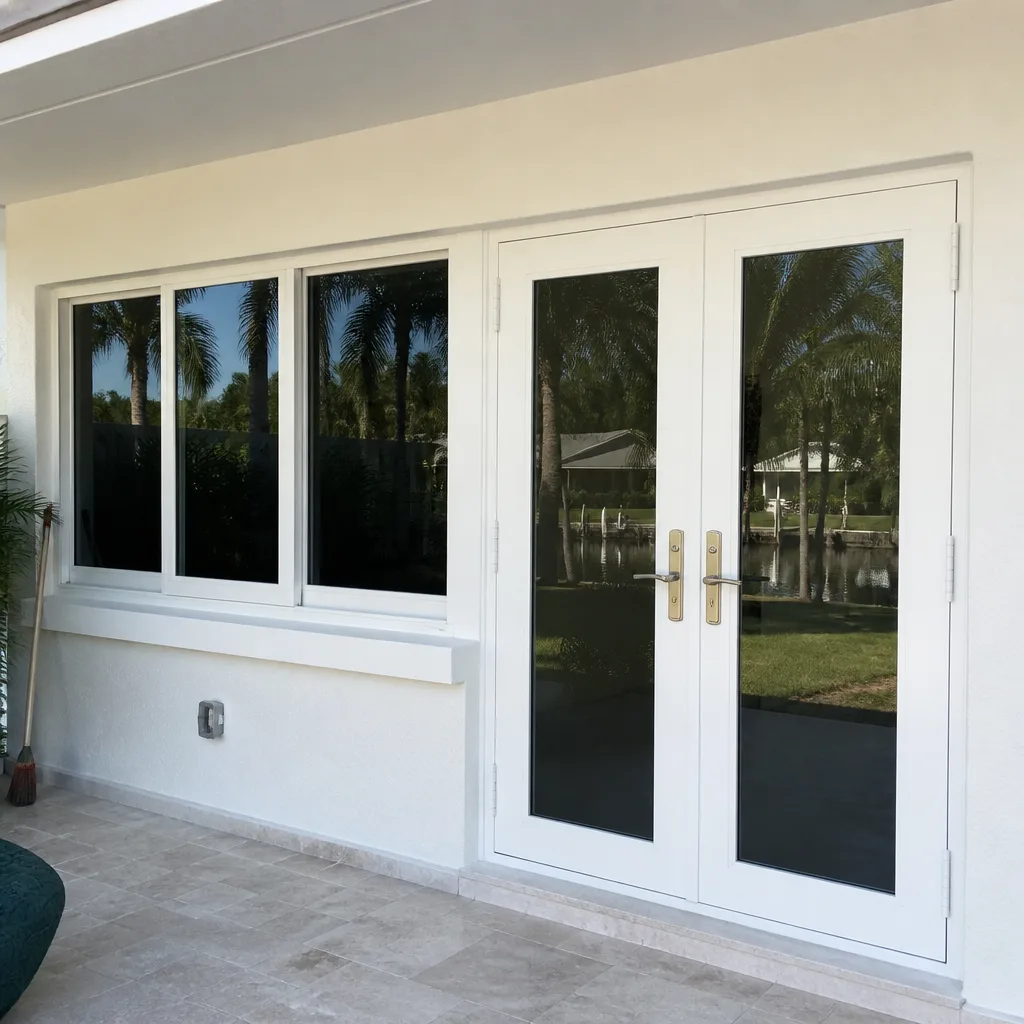 After
AfterHow to Hire a Windows & Doors Contractor in Fort Lauderdale: A Step-by-Step Guide
A window contractor’s Florida license does not automatically authorize structural door work. We’ve watched this exact gap leave Fort Lauderdale homeowners holding unpermitted replacements they later paid thousands to remediate. Hiring a windows and doors contractor in this city requires understanding which license class fits which job, which contract clauses stop a mid-install abandonment cold, and which questions chase off the wrong kind of bid before it ever reaches your kitchen table. This guide walks through every one of those checks, step by step, so you can hire with your eyes open, and you can explore more guides & resources once you’ve finished.
Quick Answer
To hire a windows and doors contractor in Fort Lauderdale, verify the license class matches the scope of work (a Specialty Glass and Glazing license covers window replacement, but structural door work needs a Certified or Registered Building Contractor), confirm insurance and active license status through the Florida DBPR database, and require a written contract with four specific clauses: permit ownership, milestone-based draw schedule, lien waiver requirements, and warranty registration responsibility. Then compare line-item quotes, not lump sums. Most reputable Fort Lauderdale window and door companies will provide all of these without hesitation.
Table of Contents
- Understand the License Classes That Actually Matter in Florida
- Verify the License and Insurance in Under Five Minutes
- The Four Contract Clauses That Protect You From Abandonment
- Why a Contractor Asking You to Pull Your Own Permit Is a Red Flag
- How to Read a Line-Item Quote (and What a Lump Sum Hides)
- How to Confirm the Products You’re Actually Buying
- What Fort Lauderdale’s Climate and Codes Demand From Every Installer
- The Exact Questions to Ask Before You Sign
Understand the License Classes That Actually Matter in Florida
Florida issues several license types that sound interchangeable but are not. If you’re hiring for window and door work in Fort Lauderdale, you need to know which one authorizes what. A State-Certified General Contractor (CGC) can work anywhere in Florida and can pull structural permits. A State-Registered Building Contractor (CRB) can work only within specific local jurisdictions where they’ve registered, often limited to certain counties or municipalities. A Specialty Glass and Glazing contractor can replace windows and glass, but that license does not authorize structural door replacements involving load-bearing headers. Certified or Registered Building Contractors can handle structural work; the registered contractor’s authority is limited to their local registration area.
For impact window replacement, a specialty glass and glazing license is often sufficient and appropriate, because the work involves removing and setting windows within existing openings. For a door replacement that changes the rough opening size, requires a new header, or involves load-bearing wall modification, you need a contractor whose license authorizes structural alteration. A specialty glazing contractor doing structural work without the right license places the permit, the inspection, and your insurance position at risk. Fort Lauderdale’s building department enforces this distinction strictly, and the headache lands on the homeowner, not the contractor. This is why the first question you ask is not “How much?” but “What does your license authorize?”
Verify the License and Insurance in Under Five Minutes
The Florida Department of Business and Professional Regulation (DBPR) maintains a public database at myfloridalicense.com. It takes less than five minutes to check a contractor, and skipping this step is how Fort Lauderdale homeowners end up with unlicensed subcontractors doing five-figure impact window work. Here’s the step-by-step:
- Go to myfloridalicense.com and select “Verify a License” from the main menu.
- Enter the contractor’s name or license number, then select the license type you’re checking.
- Look for the status field. “Active” means the license is current, not expired, not suspended, not revoked. It does not confirm insurance. Continue the check.
- Look for any disciplinary actions, complaints, or liens shown in the record. Read them carefully. A pattern of unresolved complaints matters more than a single dispute.
- Ask the contractor for a certificate of insurance directly from their carrier. Confirm general liability and workers’ compensation. If an installer is hurt on your property without workers’ comp, your homeowner’s policy may be the next stop.
“Active” status confirms the license itself is in good standing with the state. It does not confirm the contractor carries current insurance, nor does it tell you whether the license class matches your specific scope of work. Those checks are on you. A legitimate Fort Lauderdale window and door company will have no objection to any of this. If a contractor bristles at a license check, treat that as information.
The Four Contract Clauses That Protect You From Abandonment
Most window and door projects go fine. The ones that go wrong share a common trait: the contract was written to protect the contractor’s cash flow, not the homeowner’s completion schedule. In Fort Lauderdale, where a sudden storm season can pull every installer away to emergency jobs, abandonment mid-installation is a real risk. A contract with these four clauses changes everything.
- Permit ownership language. The contract must state that the contractor, not the homeowner, is the permit holder of record. The permit holder is legally responsible for the work and must close out inspections. If you pull the permit in your name, you inherit that responsibility, including liability for code violations discovered later.
- Draw schedule tied to milestones. Payments should be tied to completed, inspectable phases, not calendar dates. For a window replacement, that means a deposit at contract signing, a payment when materials arrive, and the final payment after inspection passes. Never tie payments to days elapsed, because weather delays and material backorders happen. Tie them to work completed.
- Lien waiver requirements. Florida law allows subcontractors and suppliers to file a mechanics lien against your home even if you paid the general contractor in full. The contract must require the contractor to provide signed lien waivers from every sub and supplier before final payment. This is not optional. It’s the only protection you have against paying twice.
- Warranty registration responsibility. The contract should state in writing who registers manufacturer warranties, when, and what proof you’ll receive. Many manufacturers void coverage if the warranty is not registered within a set window after installation. If the contractor promises to handle it, that promise belongs in the contract, along with the manufacturer names and warranty durations.
These clauses are standard for reputable Fort Lauderdale window and door installers. If a contractor objects to any of them, the objection tells you something about how they handle risk. We write every one of these into every TruePane contract as a matter of standard practice, through The Keystone Standard we’ve built our work around since 2008. Both manufacturer warranty layers are registered in writing, with durations stated, before the truck leaves the driveway, consistent with the Impact Windows Maintenance Checklist for Fort Lauderdale Homeowners. That’s the standard a contract should reflect.
Why a Contractor Asking You to Pull Your Own Permit Is a Red Flag
A request to pull your own permit is one of the clearest signals a window or door contractor can send. It means one of three things: the contractor’s license does not authorize the work, the contractor wants to avoid permit fees and inspection scrutiny, or the contractor wants you to hold the liability for code compliance. None of these are positions a homeowner should accept. In Fort Lauderdale, unpermitted window and door work surfaces during resale, during insurance renewal, and during post-storm inspections, and the cost to remediate is always higher than the cost to permit correctly the first time.
Permits exist for structural safety. A door replacement that alters a load-bearing header without an inspection can pass quietly for years, then fail under hurricane wind load. A window installed without the correct impact rating can fail a county inspection after the fact, and your insurance company will notice. The contractor who asks you to pull the permit is asking you to be the contractor of record. If something goes wrong, the responsibility is yours. The right response is to decline and find a company whose license authorizes the work and who is willing to stand behind it in writing.
How to Read a Line-Item Quote (and What a Lump Sum Hides)
A legitimate window and door quote in Fort Lauderdale separates product, labor, permit fees, and disposal costs. A lump-sum bid that says “replace 8 windows and 2 doors, $28,000” hides the markup distribution and makes it impossible to compare bids fairly or negotiate specific scope changes. Here’s what a proper quote separates:
- Product. Manufacturer name, series name, glass package, impact rating, color, grid pattern, and hardware finish. A quote that says “impact windows” without specifying the manufacturer and series is not a quote, it’s a placeholder. Brands like ES Windows, CWS, and ECO Window Systems each have distinctly different pricing and performance characteristics.
- Labor. Installation labor per opening, including any structural work, stucco repair, or interior trim work.
- Permit fee. The actual municipality fee for the permit. Fort Lauderdale’s building department sets these fees; the contractor should pass them through at cost.
- Disposal. Removal and disposal of old windows, doors, and construction debris. Some companies bury this cost inside labor; others list it separately. Either way, it should be visible.
- Warranty registration. Any administrative cost for registering manufacturer warranties, if applicable. At TruePane, this is built into The Keystone Standard, not billed as a separate line item.
When a company refuses to provide a line-item breakdown, it’s usually because the markup is concentrated where it shouldn’t be. Ask for the breakdown. If the answer is “we don’t work that way,” the next question is why not. You are not obligated to accept a lump sum for work you can’t audit.
How to Confirm the Products You’re Actually Buying
Window and door contractors in Fort Lauderdale sell widely varying product lines under the same project name. “Impact window replacement” can mean a premium Miami-Dade approved system like ES Windows or CGI, or an economy import with a basic impact rating. The difference matters, and the quote is where you confirm it. An authorized installer can show you a manufacturer certificate or a dealer agreement and can quote side by side across lines. A company that is not an authorized dealer may be sourcing product through distribution channels that complicate warranty claims later.
Ask for the manufacturer name, series, and glass package in writing. Then ask whether the contractor is an authorized installer for that brand. We operate as an authorized installer for more than a dozen manufacturer lines, and when we quote, the homeowner sees what they are buying: brand, series, warranty duration, and impact rating, laid out side by side on paper. If a contractor cannot show you manufacturer authorization, your warranty may run through a middleman, which is rarely the same as having the manufacturer stand behind the product directly. Mr-Glass and other regional fabricators serve the local market, but the point holds: know whose name is on the sticker and whose warranty is behind it.
What Fort Lauderdale’s Climate and Codes Demand From Every Installer
South Florida’s building codes are written around wind. High-Velocity Hurricane Zone (HVHZ) requirements in Broward County apply to every impact window and door installed here, and the code specifies product approval numbers, installation methods, and inspection protocols. A window that meets code in Orlando may not meet code in Fort Lauderdale. The installer should know this without being told, because the product approvals are stamped on the window itself, and the inspector will check them. Moisture and salt air create a second set of demands. Aluminum frames corrode faster here than inland, and seal failures show up within five to seven years if the installation was not done to spec. We’ve seen this pattern across Fort Lauderdale neighborhoods from Victoria Park to Rio Vista: the windows fail not because the glass was bad, but because the install was rushed. The frame was set out of true, the seal strained, and the warranty eventually voided because the installation was not done according to the manufacturer’s published method.
This is the reason TruePane was founded by Dale Kessler, a second-generation glazier, on a specific rule: if the pane is not true, the job is not done. The founding rule exists because true installation is the difference between a window that lasts twenty years and a window that fogs in five. When you’re interviewing contractors, ask about their specific installation method for HVHZ-rated openings. A company that answers vaguely about “standard installation” is not the company to trust with a window system engineered for 180 mph wind loads.
The Exact Questions to Ask Before You Sign
By the time a contractor is sitting at your table with a quote, you should have a short list of questions that separate the capable from the liability. Here are the ones that matter most for a Fort Lauderdale window and door project:
- What is your Florida license number, and what does that license class authorize? A specialty glazing contractor should be able to answer this precisely. A building contractor should too. Vague answers are disqualifying.
- Are you an authorized installer for the manufacturer lines you’re quoting? If so, can you show the dealer agreement? We quote manufacturer lines side by side on paper because we believe the homeowner should see exactly what they are buying, from Andersen to PGT to ES Windows.
- Will you pull the permits in your company’s name and close out the inspections? The right answer is yes. The wrong answer is anything else.
- Does your contract include lien waiver requirements and a milestone-based draw schedule? If the contractor says they’ve “never needed that before,” explain that you’ve never needed it until something went wrong, and this is how you make sure it doesn’t.
- How do you handle warranty registration? Who registers, when, and what do I receive as proof? Every TruePane job includes The Keystone Standard, which means both manufacturer warranty layers are registered in writing, durations stated, before the truck leaves your driveway.
- Who is installing on the day of the job? Are they your employees or subcontractors? We hire local, train apprentices into journeymen, and send background-checked, uniformed technicians on every job, the same crew we’d send to our own mothers’ houses.
These questions are not hostile. They are the baseline due diligence a homeowner should expect to perform, and a reputable contractor will welcome them. Anyone who treats them as an inconvenience is telling you how they’ll treat a problem later.
Common Mistakes to Avoid
- Hiring the first company that calls back. Fort Lauderdale has dozens of window and door contractors, and the fastest response is not a proxy for the best work. Window installation in Fort Lauderdale is a competitive market. Take the time to verify before you commit.
- Comparing quotes without comparing scope. One quote may include stucco repair and interior trim; another may not. One may use a premium impact glass package; another may quote a basic laminate. You’re not comparing apples unless the line items match.
- Accepting a lump-sum bid without a breakdown. A number with no structure tells you nothing about what you’re buying, and a contractor who refuses to break it down is protecting margin, not you.
- Skipping the DBPR license and insurance check. Five minutes on myfloridalicense.com prevents most of the worst outcomes, and “active” status is not enough by itself. Check disciplinary history and confirm insurance through the carrier.
- Pulling your own permit. The person whose name is on the permit is the person responsible for the work. That should be the contractor, not you. If a contractor asks you to pull the permit, end the conversation.
- Paying large deposits before materials arrive. Florida law limits deposits for many license types, but the smarter rule is to tie every payment to a completed, inspectable milestone. If money moves faster than work, something is wrong.
- Ignoring warranty registration deadlines. Manufacturer warranties often require registration within 30 to 90 days of installation. If the contractor doesn’t register, coverage can lapse. The Keystone Standard exists because we’ve seen too many homeowners lose coverage over paperwork nobody filed.
When to Call a Professional
Some window and door situations are clearly professional territory. If you’re dealing with impact windows that failed after a storm, doors that bind in July because the frame shifted, fogged seals on dual-pane units, or structural work that changes a rough opening, a licensed contractor is not optional. These conditions require tools, training, and a permit in most cases, and the cost of getting it wrong compounds quickly in South Florida’s climate. TruePane Windows & Doors offers free estimates in Fort Lauderdale - call (754) 310-3589. A live person answers, 24 hours a day, 7 days a week. We’ll be there when we say, quote you the work side by side on paper, and stand behind it with a 90-Day Done Right Promise. No paperwork, no arguing.
Frequently Asked Questions
Window and door replacement in Fort Lauderdale typically ranges from $600 to $1,800 per opening for mid-grade impact products with installation, depending on size, manufacturer, and structural requirements. Premium lines like ES Windows or CGI run higher, and structural door work can add several thousand for header modification. The exact number depends on your specific openings and permit fees. Call (754) 310-3589 for a free line-item estimate from TruePane Windows & Doors, and you’ll see the product, labor, and permit cost separated out.
Yes. Fort Lauderdale requires permits for window replacement, particularly for impact-rated windows in HVHZ zones. The contractor should pull the permit in the company’s name, not yours. This keeps liability and inspection responsibility where it belongs, on the licensed professional doing the work. Ask any contractor you’re considering whether they will be the permit holder of record. The answer should be an unqualified yes.
A state-certified contractor can work anywhere in Florida and is licensed through the state. A state-registered contractor can work only in specific local jurisdictions where they’ve registered, often limited to a county or municipality. For Fort Lauderdale work, either can be appropriate as long as their registration covers Broward County and the specific scope. The critical point is that the license class matches the work: structural door modifications need a building contractor, not just a specialty glass and glazing license.
Check the Florida DBPR database at myfloridalicense.com. Enter the contractor’s name or license number and look for “Active” status, then review the license type to confirm it matches your scope of work, and check for disciplinary actions or complaints. Then ask for a certificate of insurance from the carrier directly, because an active license does not confirm current insurance. This entire check takes under five minutes. Do it before you sign anything.
Replacing windows in phases is common and practical in Fort Lauderdale, where window replacement budgets often span multiple years. The key is to plan the phases so that matching products remain available and the contractor can stage work efficiently. If you’re considering impact windows, impact windows in Fort Lauderdale are often done as a whole-home upgrade for insurance discounts, but a phased approach is workable if you plan ahead with your installer. Call (754) 310-3589 to talk through the sequence and the numbers.
Not if the contract is written properly. A fixed-price contract with a line-item breakdown, tied to a milestone draw schedule, protects you from change-order inflation. The only legitimate reason for a price change is a scope change you request, like discovering rotted framing that requires repair beyond the original quote, and even that should be documented and approved in writing before work proceeds. TruePane uses no-hassle upfront pricing with no surprise line items. A square deal, in writing.
The Bottom Line
Hiring a windows and doors contractor in Fort Lauderdale comes down to four unsexy tasks: verify the license class, check the DBPR record and insurance, require the four contract clauses, and read the line-item quote carefully. These steps protect you from the specific failure modes common in South Florida window and door work: unpermitted structural changes, abandoned jobs, warranty voids, and unlicensed installation. The contractor you want answers every question directly, pulls permits in their own name, shows manufacturer authorization, and puts warranties in writing before the truck leaves the driveway. We’ve spent over 42 years building our reputation in this community, and we still operate by the same founding rule Dale Kessler wrote on the whiteboard in 2008: if the pane is not true, the job is not done. For a free estimate, call (754) 310-3589 or visit TruePane Windows & Doors home to see what we do and where we work. We’ll be there when we say. Done right.
Written by Dale Kessler, Owner at TruePane Windows & Doors, serving Fort Lauderdale since 2008.
Six Reasons Homeowners Choose TruePane Windows & Doors
Impact systems engineered to design pressures up to +/-100, matched to your wind zone - your openings hold when the storm arrives.
Low-E insulated impact glass from our manufacturer lines commonly cuts monthly cooling bills 20-30%.
Laminated impact glass shuts out up to 40% of outside noise - traffic, neighbors, weather.
Monitoring services run $30-90 a month. Laminated impact glass resists forced entry around the clock, with no subscription.
Florida homeowners average around 25% savings on the windstorm portion of their policy after protecting every opening - some homes qualify for more.
A full impact package upgrades curb appeal, buyer confidence and appraised value in one project.