
Last updated August 28, 2026
Free in-home measure and quote - PGT, CGI and CWS impact lines compared on your actual openings, style by style
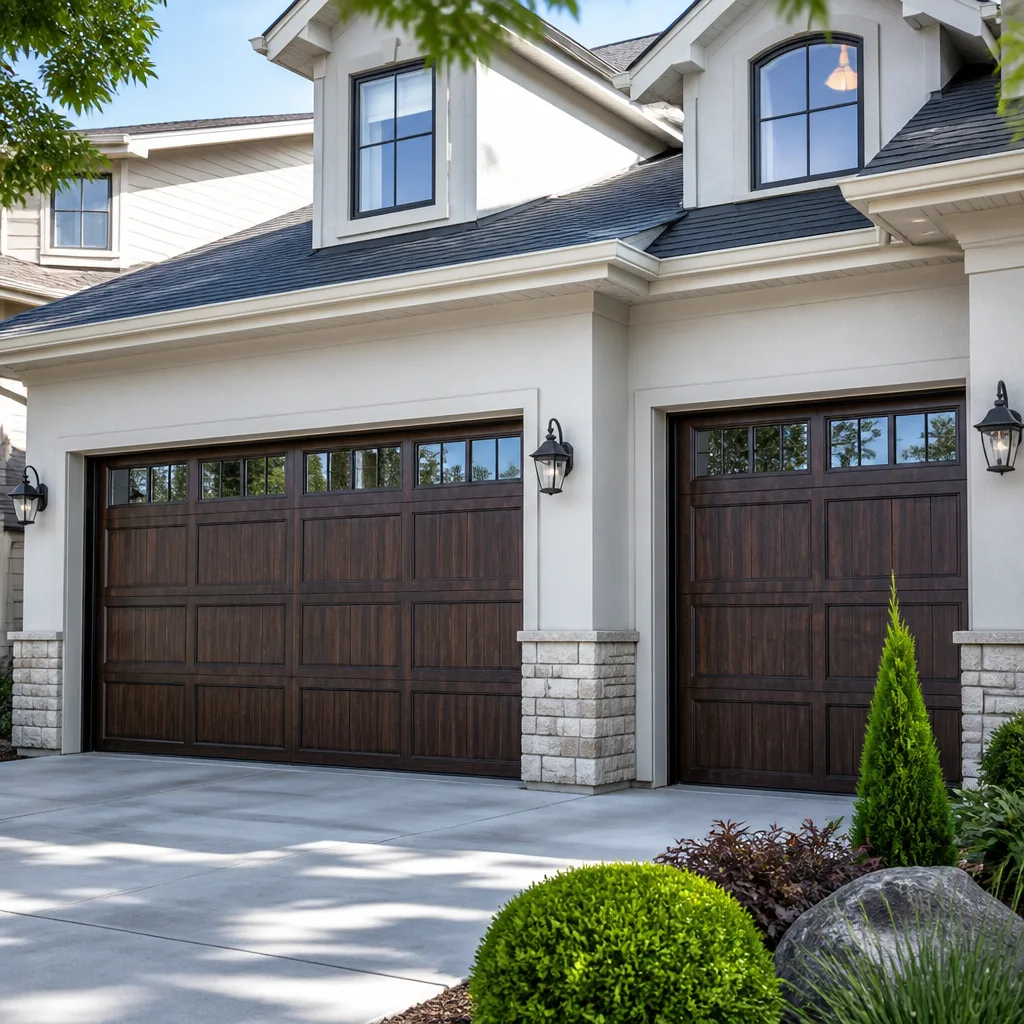
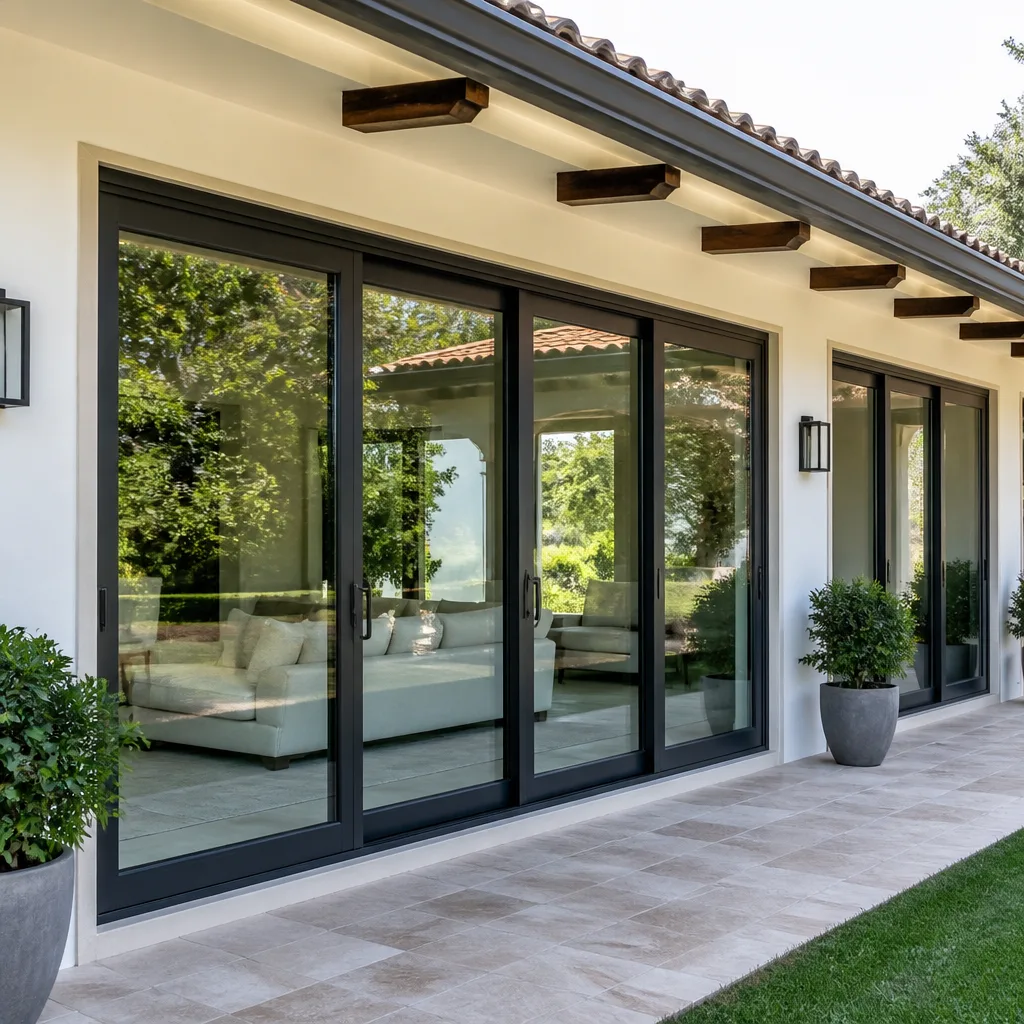
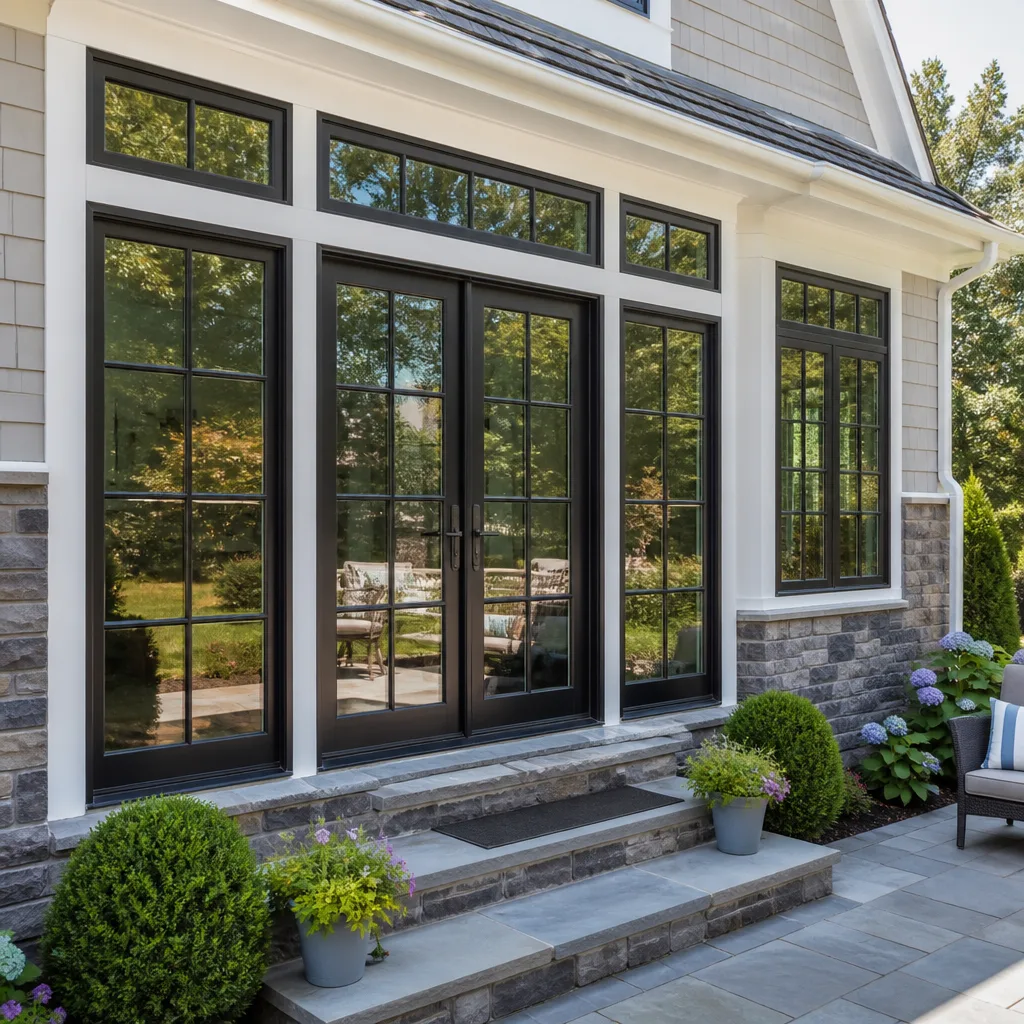
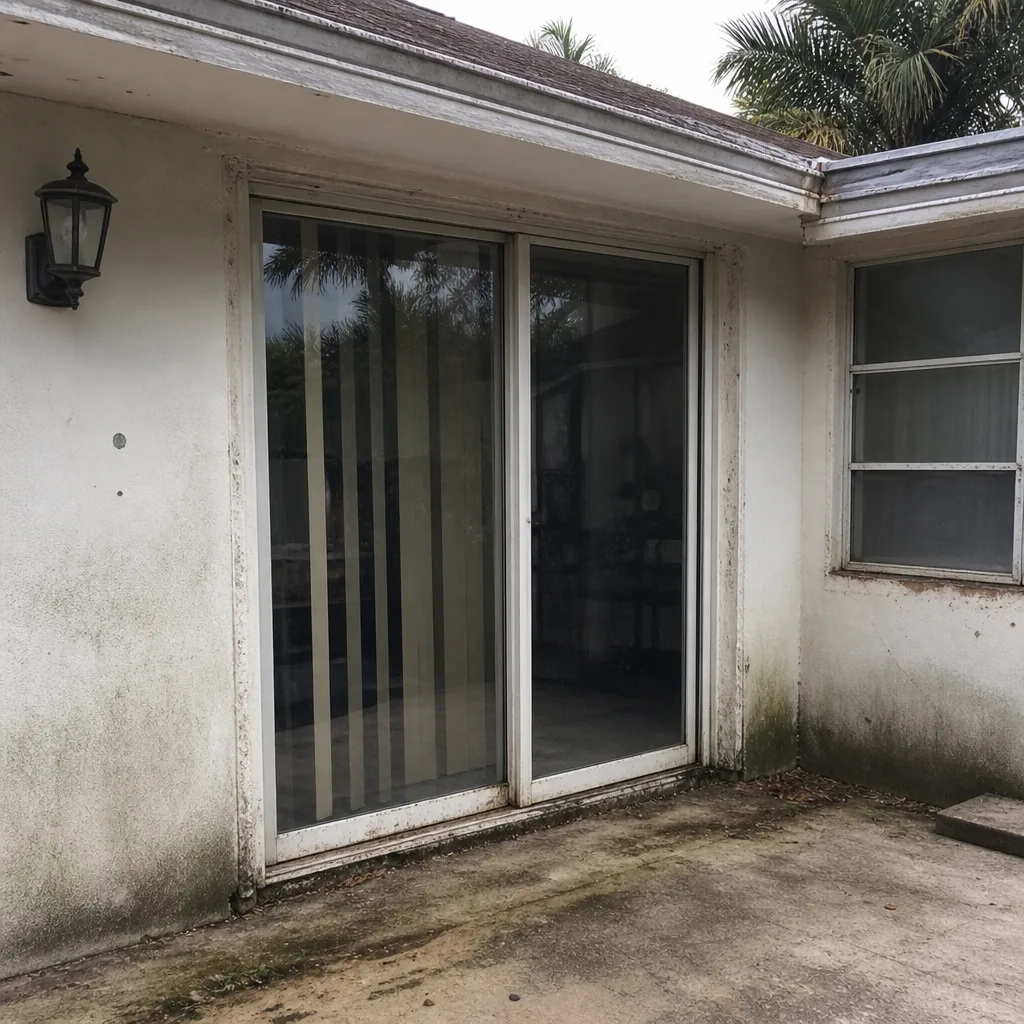 Before
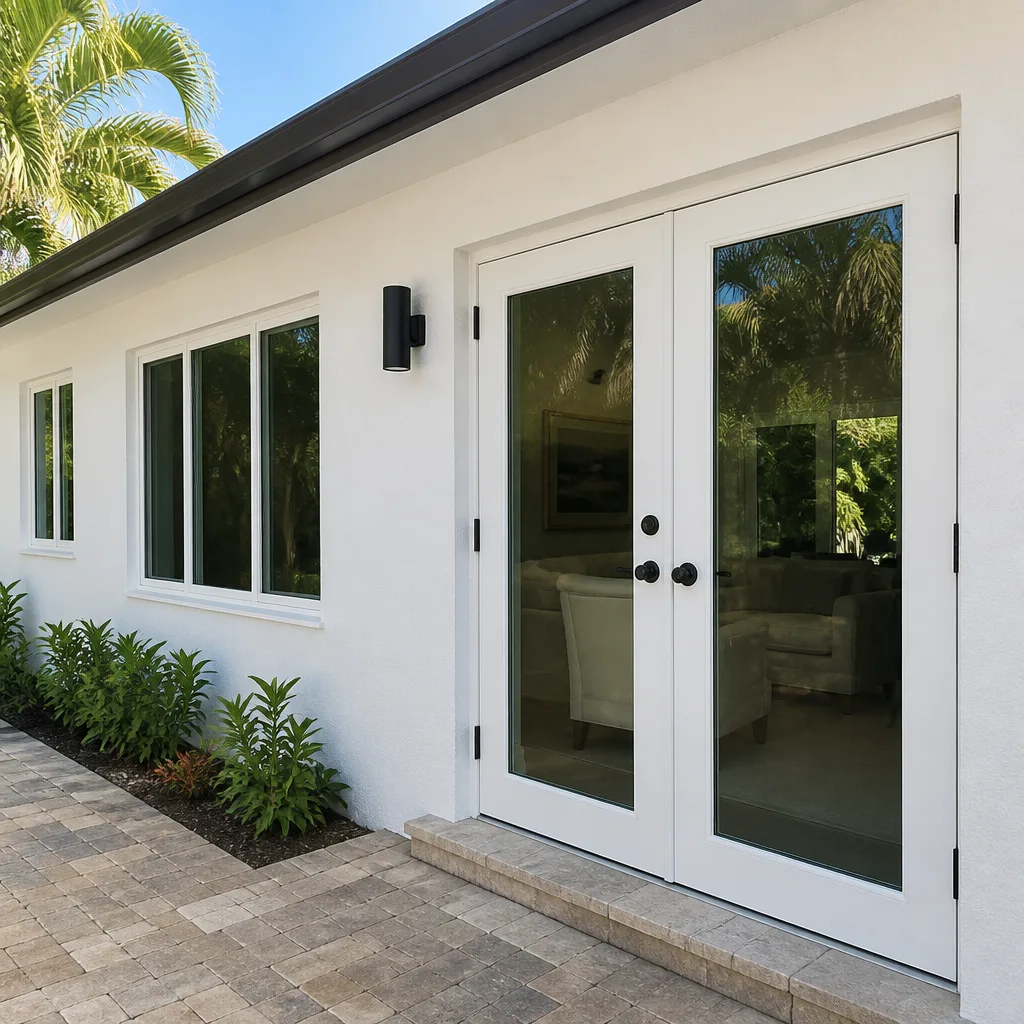 After
After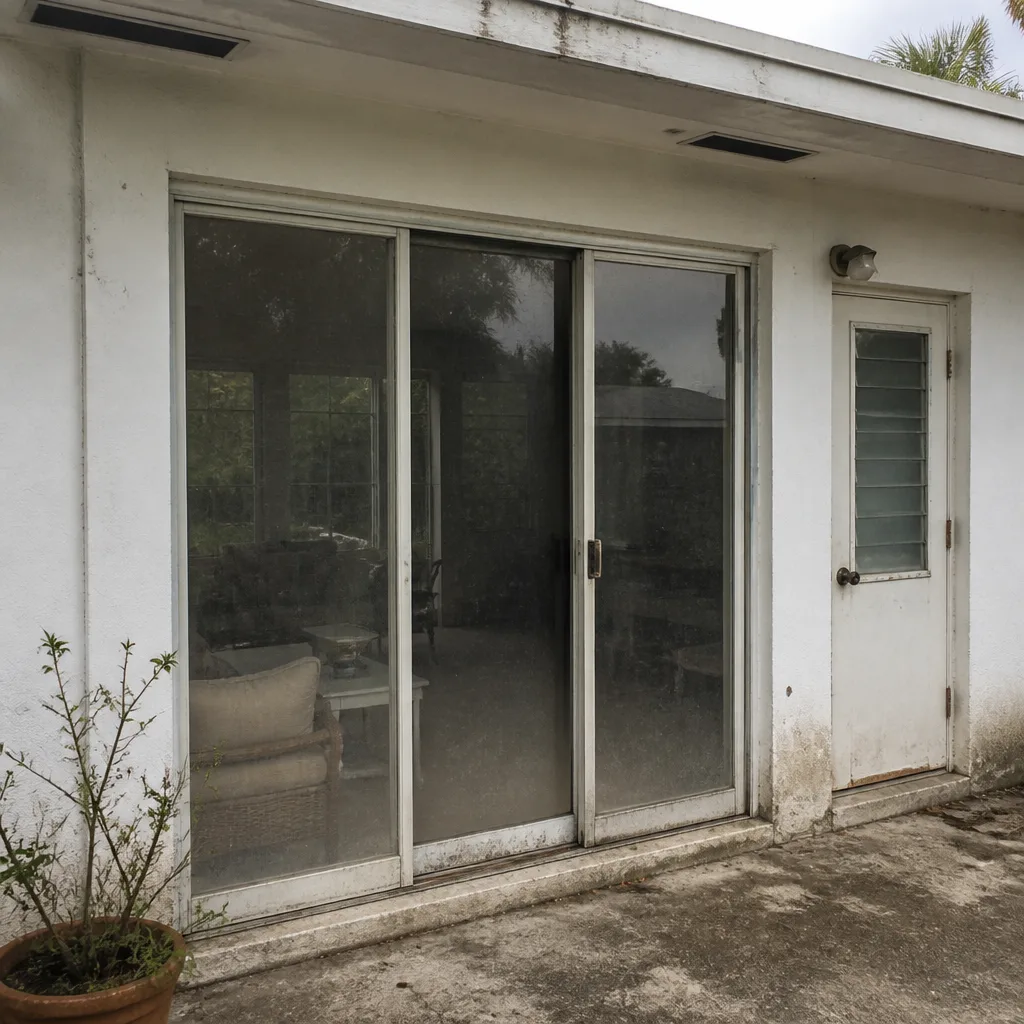 Before
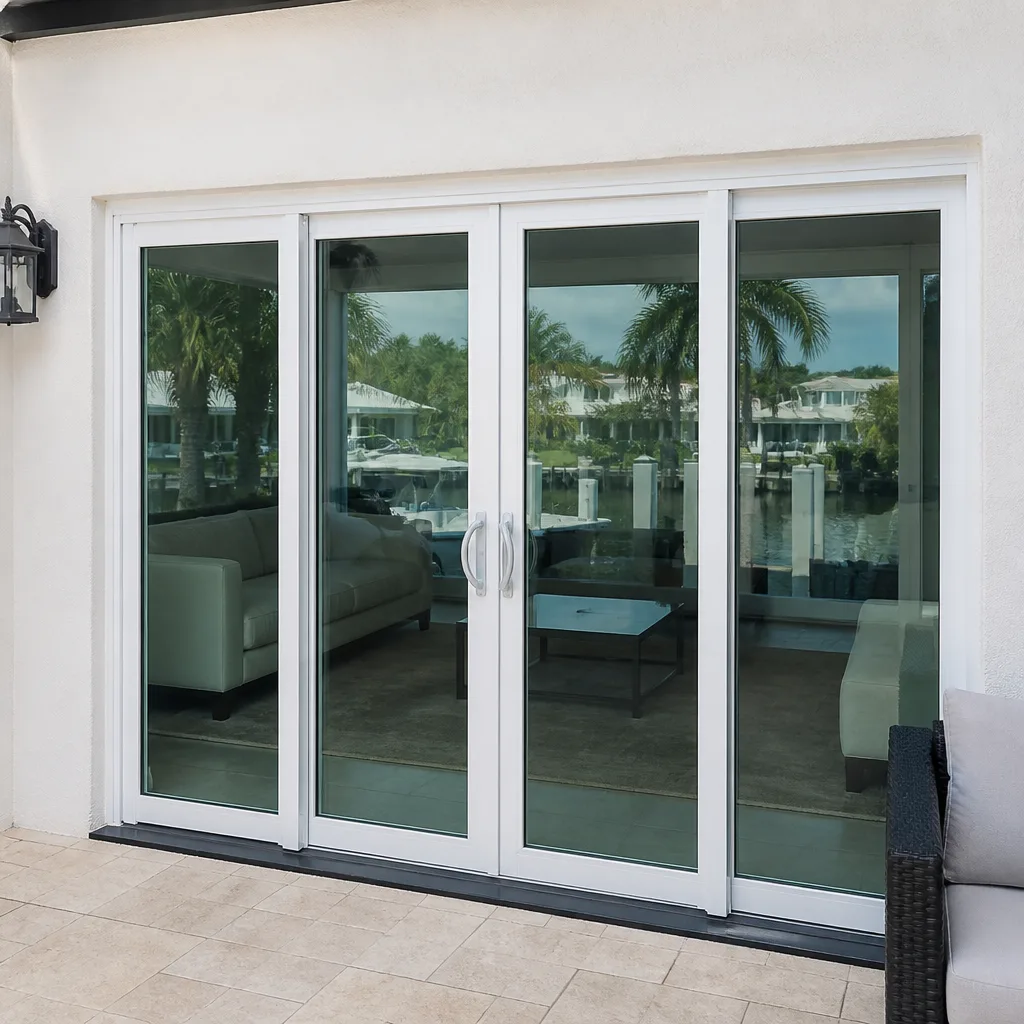 After
After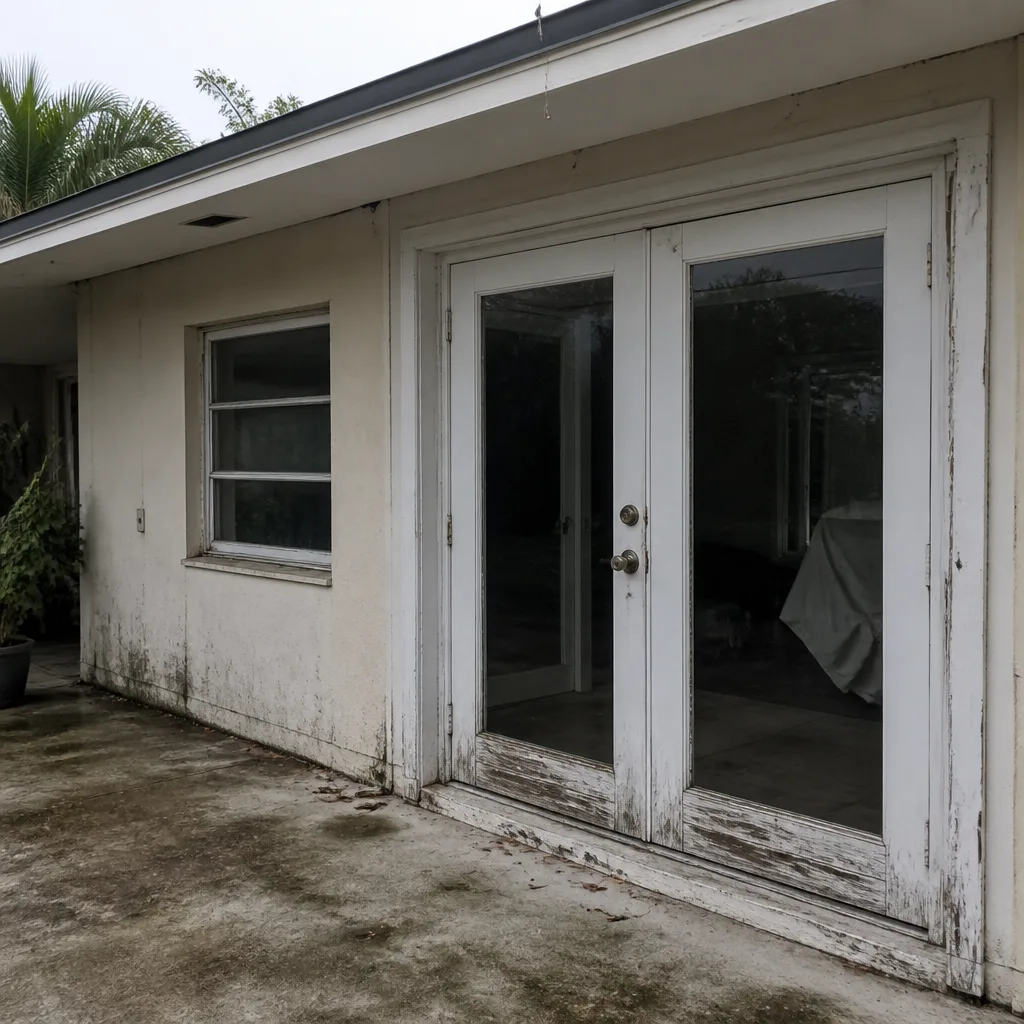 Before
 After
AfterThe Complete Guide to Windows & Doors in Fort Lauderdale
Most Fort Lauderdale homeowners don’t discover they’ve bought the wrong window until the permit application lands on the building department’s desk and comes back stamped denied. The Florida Building Code requires large-missile impact ratings for openings within one mile of the coast, a boundary that swallows nearly every residential neighborhood east of I-95 and a fair stretch west of it. This guide walks through the code requirements, the salt-air problem, the warranty trap, and the installation sequence that keeps a window job from turning into a six-month argument, and points you to more guides & resources once you’re ready. If you live in Fort Lauderdale and you’re replacing a window or door, this is the roadmap we wish every homeowner had before they picked up the phone.
Quick Answer
Choosing windows and doors in Fort Lauderdale starts with one question: is your house inside the HVHZ (High Velocity Hurricane Zone) wind-borne debris region, and does the product carry a Florida Building Code Notice of Acceptance (NOA) that matches your opening size and elevation? Buy a product with an NOA that covers your specific opening, verify the warranty registration in writing before installation, and hire a contractor who pulls the permit and schedules the inspection. Our How to Hire a Windows & Doors Contractor in Fort Lauderdale: A Step-by-Step Guide covers what to look for. Get those three things right and the rest of the project is straightforward.
Table of Contents
- How Fort Lauderdale’s Building Code Actually Works
- HVHZ Certification vs. “Hurricane Rated” Marketing
- What Salt Air Does to Windows and Doors in Fort Lauderdale
- How to Read a Notice of Acceptance (NOA) Number
- The Correct Sequence: Code Check, Product, Contractor, Permit, Inspection
- Why Most Fort Lauderdale Homeowners Only Have Half a Warranty
- What Windows and Doors Cost in Fort Lauderdale
- Common Mistakes to Avoid
- When to Call a Professional
- Frequently Asked Questions
- The Bottom Line
How Fort Lauderdale’s Building Code Actually Works
Fort Lauderdale sits inside Broward County’s High Velocity Hurricane Zone, a designation that sets stricter product requirements than almost anywhere else in the United States. The code is not a suggestion and it is not waived because a contractor says the product is “just as good.” Every window and exterior door installed in a Fort Lauderdale home must carry a Florida Building Code Notice of Acceptance, or NOA, that lists the exact product, the exact opening size range, and the exact wind pressure rating for which it was tested.
The practical dividing line is the wind-borne debris region. If your home falls within one mile of the coast, state code mandates large-missile impact protection: the product must survive a 9-pound 2×4 fired at 50 feet per second without penetration. Further inland, the requirement may drop to small-missile protection or none at all depending on wind speed maps and the specific product type. But here is the part that catches people: Fort Lauderdale’s city limits extend well past the beach, and much of what homeowners think of as “inland” still triggers impact requirements based on exposure category and proximity to open water, including canals and the Intracoastal.
The permit process in Fort Lauderdale also requires product approval documents submitted before the job starts. If the window does not carry an NOA valid for the current code cycle, the permit stalls. If the contractor installs it anyway, the inspection fails, the job gets red-tagged, and the homeowner is left negotiating with a contractor who has already been paid. We have seen this sequence dozens of times in neighborhoods like Rio Vista, Coral Ridge, and Victoria Park, where pre-2001 homes are being brought up to current wind-load standards for the first time.
This is the part of window installation in Fort Lauderdale where the code genuinely drives product choice. It is not a matter of preference. The building department checks the NOA against the plans. If the numbers do not match, nothing else matters.
HVHZ Certification vs. “Hurricane Rated” Marketing
“Hurricane rated” is the most abused phrase in the South Florida window industry. It means nothing on its own. A window that is hurricane rated in Miami-Dade approved test protocols may or may not carry the specific HVHZ approval required for a house in Fort Lauderdale. The only document that confirms a product meets Florida code for your specific opening is the NOA, stamped by the Florida Building Commission or the Miami-Dade product control office, and it must be current.
Here is the distinction that matters. A manufacturer can build a window, test it to a missile impact standard, and market it as “hurricane rated” because it survived a test. But if that test did not cover the exact size, the exact frame material, the exact glass configuration, and the exact anchor method required for your opening, the building department will not accept it. The NOA lists those specifics in tables, and the inspector checks the label on the window against the NOA on file.
Products worth looking at in Fort Lauderdale include ES Windows and ECO Window Systems, both of which carry extensive NOAs for the HVHZ market and hold up well against the salt exposure we deal with here. CWS builds a solid aluminum impact line that has been on a lot of Fort Lauderdale homes for years. The brand matters less than the paperwork. A window is only as good as the NOA that covers it for your house, your elevation, and your opening dimensions.
When we quote a job, we pull the NOA and show it to the homeowner next to the line-item price. That is the difference a homeowner can verify. The salesperson who cannot produce the NOA before taking a deposit is the salesperson you stop returning calls to.
What Salt Air Does to Windows and Doors in Fort Lauderdale
Fort Lauderdale’s proximity to the Atlantic means every product you install lives in a mild salt-spray environment, and that changes how materials fail. We see it in the field constantly: aluminum frames that look fine from the curb are pitting at the corners where the salt has eaten the anodized finish. Vinyl frames in direct sun hold their color but stress at the welded corners, especially on west-facing elevations where the afternoon heat cycles thermal expansion against the fastener load. Glazing tape that was never meant for a marine environment breaks down in three to five years, and that is when the fogged glass appears.
Aluminum remains the dominant product in impact installations because of its strength-to-weight ratio and the way it accepts thick laminated glass. The problem is aluminum in a salt environment will oxidize unless the finish is high-grade and maintained. Powder-coated aluminum performs better than anodized here, and certain manufacturers put better marine-grade finishes on their offshore products. Vinyl is a misleading material in Fort Lauderdale: it insulates well and costs less, but the corners are the weak point in high wind, and once a weld fails, the entire sash loses its structural rating. Wood windows exist in Fort Lauderdale, usually in historic districts like Sailboat Bend, but they require a maintenance schedule most homeowners stop following after the first few years.
Door frames have their own problem set. Steel entry doors rust at the threshold. Wood doors swell in our wet season and stick in July. Fiberglass doors and aluminum-clad doors hold up better in constant humidity, and impact-rated doors built with composite frames have become the practical choice for a lot of waterfront homes.
The right window for a Fort Lauderdale home is the one whose materials and finishes were designed for a corrosive, high-sun, high-humidity environment, not just any product that carries an NOA. The code is the floor, not the ceiling, and the homeowner who is staying in the house for twenty years will care more about the finish than the first-year aesthetics.
How to Read a Notice of Acceptance (NOA) Number
The NOA is the only document at inspection that matters. Every homeowner in Fort Lauderdale should know what one looks like and what to check before paying a deposit. Here is how to read one.
- Find the NOA number. It is usually a series like FL12345 or MDC-12345. Write it down. You will need it when the permit is pulled.
- Check the product description. The NOA lists the specific window or door series, frame material, glass type, and configuration. A product that sounds like yours on the sales sheet but does not match this description is not approved.
- Check the opening size tables. This is where most failures happen. The NOA lists maximum and minimum widths and heights for each series. A 72-inch wide window with an NOA covering up to 71.5 inches does not pass. Not an inch of grace.
- Check the pressure rating. The NOA lists design pressure, abbreviated as DP, positive and negative, in pounds per square foot. Your house has a required DP based on wind speed, exposure, and elevation. The product must meet or exceed it.
- Check the anchor schedule. The NOA specifies the fastener type, spacing, and embedment required to achieve the rated performance. If the contractor does not follow the anchor schedule, the window is not installed to code even if the product itself is approved.
- Verify the NOA is current. Florida code cycles update every few years. An NOA that expired is not valid for a new permit, even if the product is physically identical to one approved under the old number.
We check the NOA before quoting so the homeowner sees the number on paper next to the product. If you are dealing with a contractor who cannot produce it, walk. The inspection will not be a negotiation.
The Correct Sequence: Code Check, Product, Contractor, Permit, Inspection
Most window and door problems in Fort Lauderdale come from one thing: the sequence getting reversed. A homeowner picks a product first, gets attached to it, finds a contractor willing to install it, and only then discovers the permit office will not approve it. By then, the deposit is spent and the contractor has moved on to the next job. Do it in this order and you keep control.
- Code check first. Confirm whether your opening requires large-missile or small-missile protection. Your address, your elevation, and your proximity to the water determine this. The city of Fort Lauderdale’s building department can tell you, or a contractor can pull the property’s wind speed and exposure data in ten minutes.
- Product selection second. Once you know the code requirement, narrow your product search to windows and doors with NOAs that cover your opening sizes and your required DP. This is where a side-by-side paper quote helps, because the NOA table and the line-item price sit next to each other and you can see exactly what you are paying for.
- Contractor vetting third. Verify the contractor pulls permits on every job, not just “when required.” In Fort Lauderdale, every window and door replacement requires a permit. A contractor who suggests skipping the permit to save money is asking you to assume liability for a non-compliant install. Do not do it.
- Permit pull fourth. The permit application includes the NOA numbers for every product being installed. If the contractor cannot fill out this section accurately, the permit stalls, and your start date goes with it.
- Inspection fifth. After installation, the building department inspects the fastening, the flashing, and the product labels. The inspector checks the labels against the NOA. If they do not match, the job fails, and the fix is not a phone call. It is a re-install.
Reversing any step costs money. We have had to tear out recently installed windows in Fort Lauderdale because the original contractor skipped the code check, ordered the wrong product, and walked away. That is a five-figure mistake that a ten-minute NOA pull would have prevented.
Why Most Fort Lauderdale Homeowners Only Have Half a Warranty
A window carries two warranties. The glass unit has its own warranty, often called the sealed unit or insulating glass warranty, covering fogging and seal failure. The frame and hardware have a separate warranty covering the materials and operation. Both come from the manufacturer, and both are typically voided if the product is not registered within a set window after purchase or if it is installed by anyone other than an authorized installer.
Here is what we see in Fort Lauderdale: a homeowner buys a window from a contractor who never registers the product. Five years later, the glass fogs. The homeowner calls the manufacturer and is told the warranty was never activated. The contractor is gone. The manufacturer will not honor it. The homeowner eats a $900 replacement sash.
The Keystone Standard is the way we handle this because we saw too many homeowners left holding an unregistered warranty. Both layers get registered in writing, with the duration stated, before the truck leaves the driveway. The homeowner files the paperwork and knows exactly how long the glass warranty runs and exactly how long the frame warranty runs. There is no arguing later about what “should have” been covered.
This matters more in Fort Lauderdale than in most markets because the humidity and salt mean seal failures happen here faster than a homeowner expects. A fogged window in year six is common. A fogged window in year six with no warranty registration is an expensive frustration that could have been avoided with one piece of paperwork.
What Windows and Doors Cost in Fort Lauderdale
Window and door pricing in Fort Lauderdale runs higher than the national average for three reasons: code-required impact ratings, marine-grade finishes that survive salt air, and the labor market for installers who know how to install HVHZ products correctly. Here are the ranges we quote most often for standard residential openings.
- Single-hung impact window, standard size (approx. 36×60): $1,100-$1,600 per opening, installed
- Horizontal roller impact window, standard size (approx. 36×72): $1,300-$2,000 per opening, installed
- Non-impact replacement window in a small-missile zone: $600-$1,000 per opening, installed
- Impact French door, standard 60×80 opening: $4,500-$7,500 installed
- Impact sliding glass door, standard 72×80 opening: $5,000-$8,000 installed
- Full-house retrofit, 10-12 openings, mid-grade impact package: $18,000-$32,000
- Full-house replacement, 10-12 openings, premium aluminum impact package: $28,000-$45,000
These are Fort Lauderdale market ranges as of the current building code cycle. The variables are the size of the opening, the DP required for your location, the frame material, the glass package, and whether the job is a retrofit (existing frames stay) or a full replacement (frames come out). Permits and inspections add several hundred dollars to the job in Fort Lauderdale and are included in any responsible quote.
What a homeowner should not do is accept a quote that is 40% below the range and assume they found a deal. In this market, that quote typically means no permit, an off-label product with an NOA that does not match the opening, or an installer who does not know what the anchor schedule says. Pay for the right product once. Pay for the wrong product twice.
Common Mistakes to Avoid
- Choosing a product before checking the code. In Fort Lauderdale, the code drives the product choice, not the other way around. A beautiful window without an NOA for your opening is a deposit you will not get back.
- Believing “hurricane rated” without seeing the NOA. Marketing language is not a document. The NOA is the document. If the salesperson cannot produce it, the product does not exist for code purposes.
- Skipping the permit to save money. Every window and door replacement in Fort Lauderdale requires a permit. Skipping it voids your homeowner’s insurance coverage for that opening and makes the house harder to sell because unpermitted work shows up on the property record.
- Ignoring the anchor schedule. The window is only rated if the fasteners match the NOA’s anchor schedule. The right product with the wrong screws is the wrong product.
- Not registering the warranty. Both manufacturer warranty layers must be registered to be valid. An unregistered warranty is a piece of paper that means nothing when the glass fogs.
- Buying solely on price. A Fort Lauderdale window job that comes in far below the market range is cutting something: the product, the permit, the anchor, or the labor. None of those cuts save money in the long run.
- Choosing a contractor with no local history. Florida is full of out-of-state companies that appear after a storm, take deposits, and vanish. Hire a company with roots here, one that plans to be in Fort Lauderdale in thirty years because it plans to still be answering the phone.
When to Call a Professional
Window and door installation is not a DIY project in Fort Lauderdale. The fastening requirements, flashing details, and code compliance are specific enough that a mistake means the window fails the inspection or fails in a storm, and either outcome costs more than the labor you saved. Call a professional when the job requires a permit, when the opening is more than a simple like-for-like swap, when the existing frame shows signs of water intrusion or rot, and when you want the warranty to actually be valid. TruePane Windows & Doors offers free estimates in Fort Lauderdale, call (754) 310-3589 to schedule one, and we will quote the product, the NOA, and the installation on paper before you commit to anything.
Frequently Asked Questions
Some homes west of I-95 fall outside the wind-borne debris region and may not be required to have impact-rated openings, but the requirement depends on your exact address, elevation, exposure, and the current Broward County wind speed map, not on a general rule of thumb. Check with the city building department or a contractor who pulls your property’s wind load data before you order anything. Call (754) 310-3589 for a free code check based on your actual address.
An NOA is a specific type of Florida Product Approval, issued for products that have been tested to Miami-Dade or Florida Building Code standards and approved for use in the HVHZ. A FL product approval number is the broader category, while an NOA carries the specific test data for missile impact, wind pressure, and anchor requirements. The building department in Fort Lauderdale checks for a valid Florida Product Approval or NOA on every window and door permit, and the product label must match the document.
A well-installed impact window with a marine-grade aluminum frame and laminated glass should last 20 to 30 years in Fort Lauderdale’s salt environment, assuming the finish is intact and the seals are not compromised. Vinyl impact windows typically run shorter in this market, with corner welds and thermal stress showing up earlier on western exposures. The glass seal is the component most likely to fail first, which is why the warranty registration matters so much in this climate. See our Impact Windows Maintenance Checklist for Fort Lauderdale Homeowners for what to watch.
Retrofit installations replace the sash and glass within the existing frame, and they are common in Fort Lauderdale condos and older homes where the original frames are still sound. Whether a retrofit is legal depends on the product’s NOA and whether the existing frame and anchor condition meet the current code. Not every existing frame qualifies, and the building department will require documentation that the retrofit product is approved for that specific application.
A proper quote from a Fort Lauderdale contractor should be line-item and fixed, with the permit, the product, and the labor priced out before the job starts. When the final bill exceeds the quote, it usually means the contractor did not pull the NOA before quoting, discovered a code or opening issue during the job, and passed the cost back to the homeowner. This is why window replacement in Fort Lauderdale should always be quoted against the NOA, not against a sales sheet. TruePane prices are fixed once the NOA is confirmed, and we put that in writing.
The inspection passes when the product labels match the NOA numbers on the permit, the installation follows the NOA’s anchor schedule, and the flashing and sealing meet current Broward County code. Ask the contractor to walk you through the NOA before the install starts, and confirm the inspector will see the labels and the paperwork, not just a finished-looking window. That is the difference between a job that passes the first time and one that gets red-tagged.
The Bottom Line
Windows and doors in Fort Lauderdale are a code decision, a product decision, a contractor decision, and a paperwork decision, in that order. The homeowner who checks the wind-borne debris requirement first, demands the NOA that covers the exact opening, hires a local contractor who pulls the permit, and ensures both warranty layers get registered in writing will end up with windows that last thirty years and a door that does not bind in July. Skip any step and the job costs more than it should. Impact windows in Fort Lauderdale are an investment in a home that has to stand up to the Atlantic, and the standard for that work should be simple: if the pane is not true, the job is not done. Start with a free estimate from TruePane Windows & Doors home, call (754) 310-3589, and we will put the code check, the product quote, and the warranty registration in writing before you sign anything.
Written by Dale Kessler, Owner at TruePane Windows & Doors, serving Fort Lauderdale since 2008.
Six Reasons Homeowners Choose TruePane Windows & Doors
Impact systems engineered to design pressures up to +/-100, matched to your wind zone - your openings hold when the storm arrives.
Low-E insulated impact glass from our manufacturer lines commonly cuts monthly cooling bills 20-30%.
Laminated impact glass shuts out up to 40% of outside noise - traffic, neighbors, weather.
Monitoring services run $30-90 a month. Laminated impact glass resists forced entry around the clock, with no subscription.
Florida homeowners average around 25% savings on the windstorm portion of their policy after protecting every opening - some homes qualify for more.
A full impact package upgrades curb appeal, buyer confidence and appraised value in one project.