
Free in-home measure and quote - PGT, CGI and CWS impact lines compared on your actual openings, style by style
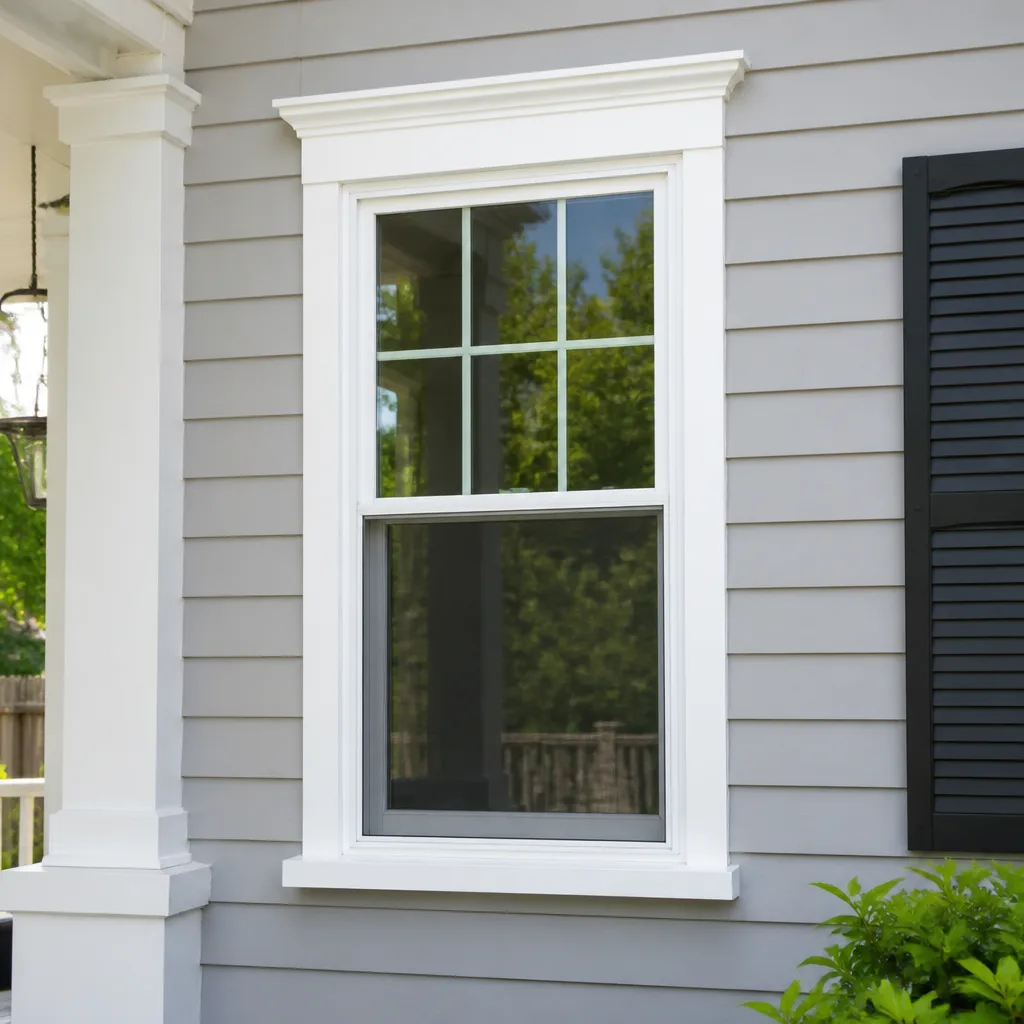
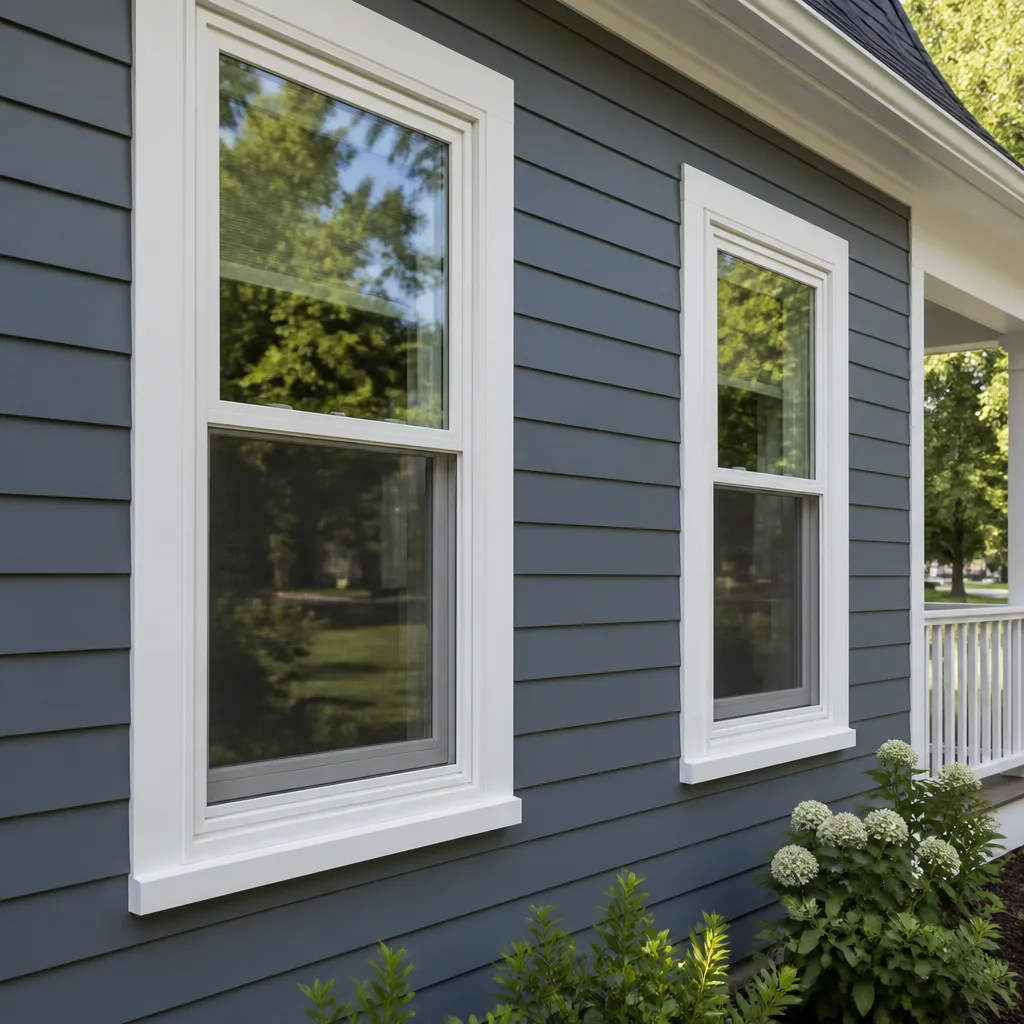
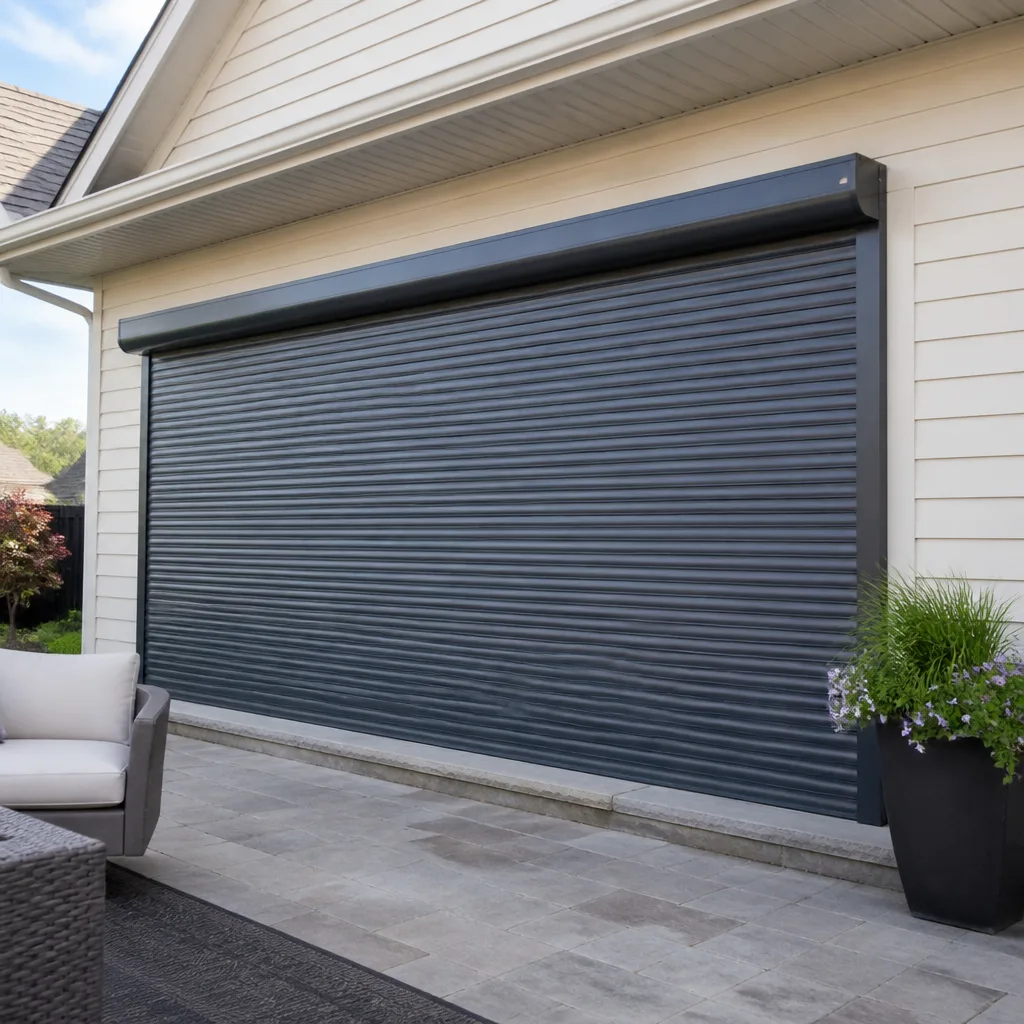
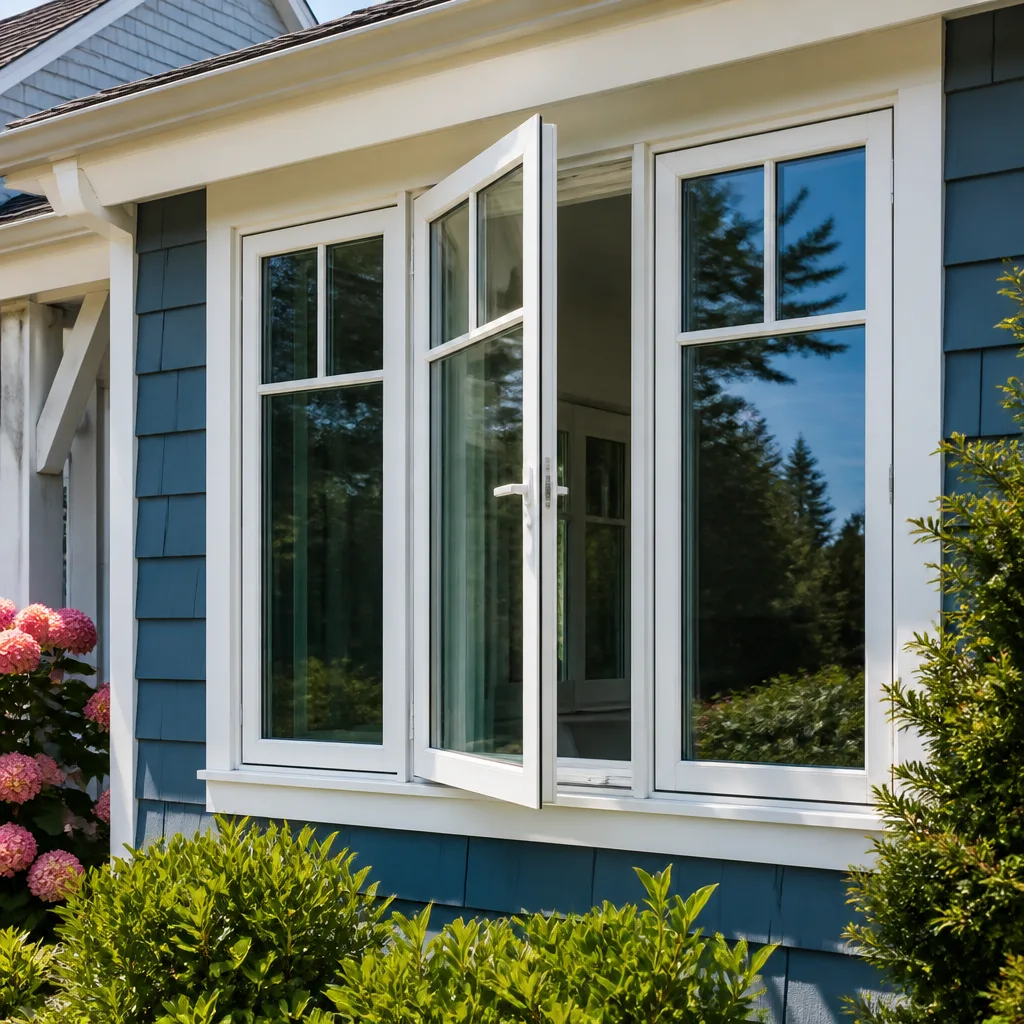
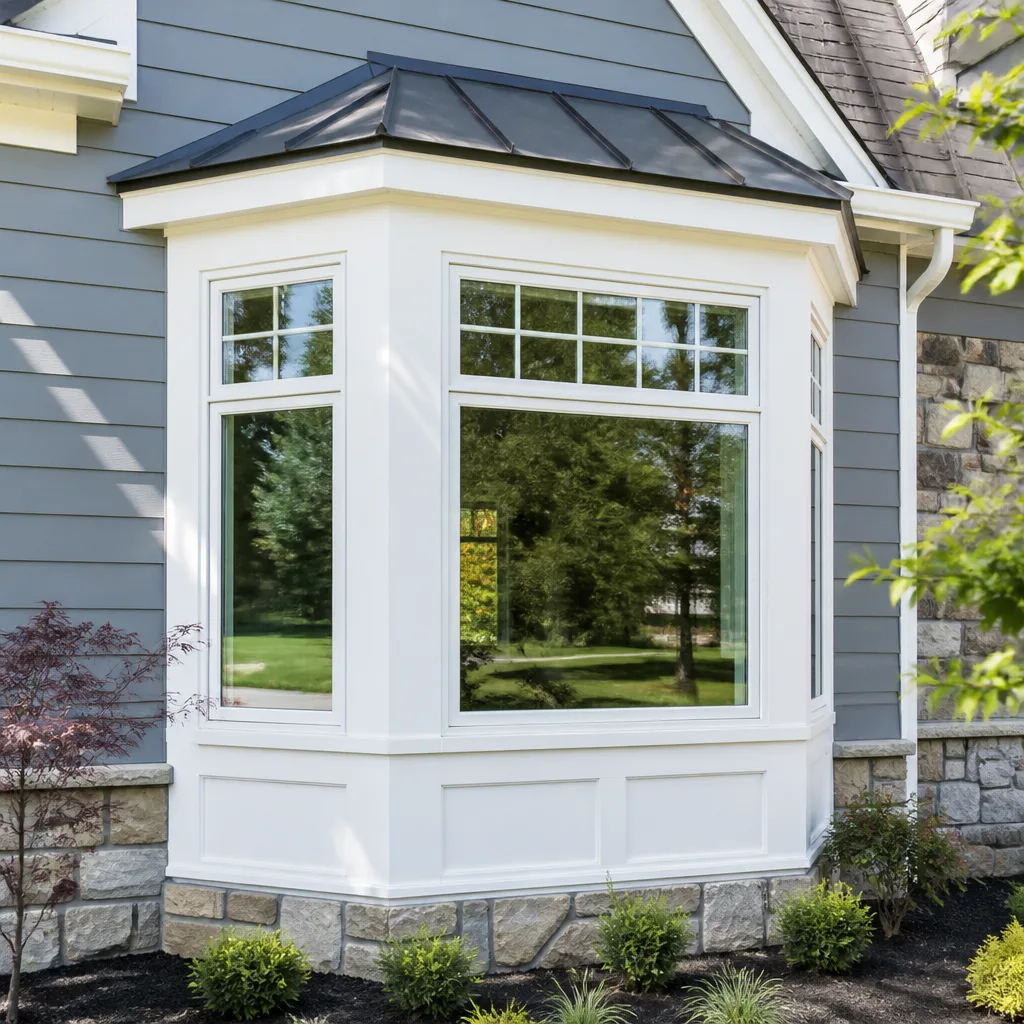
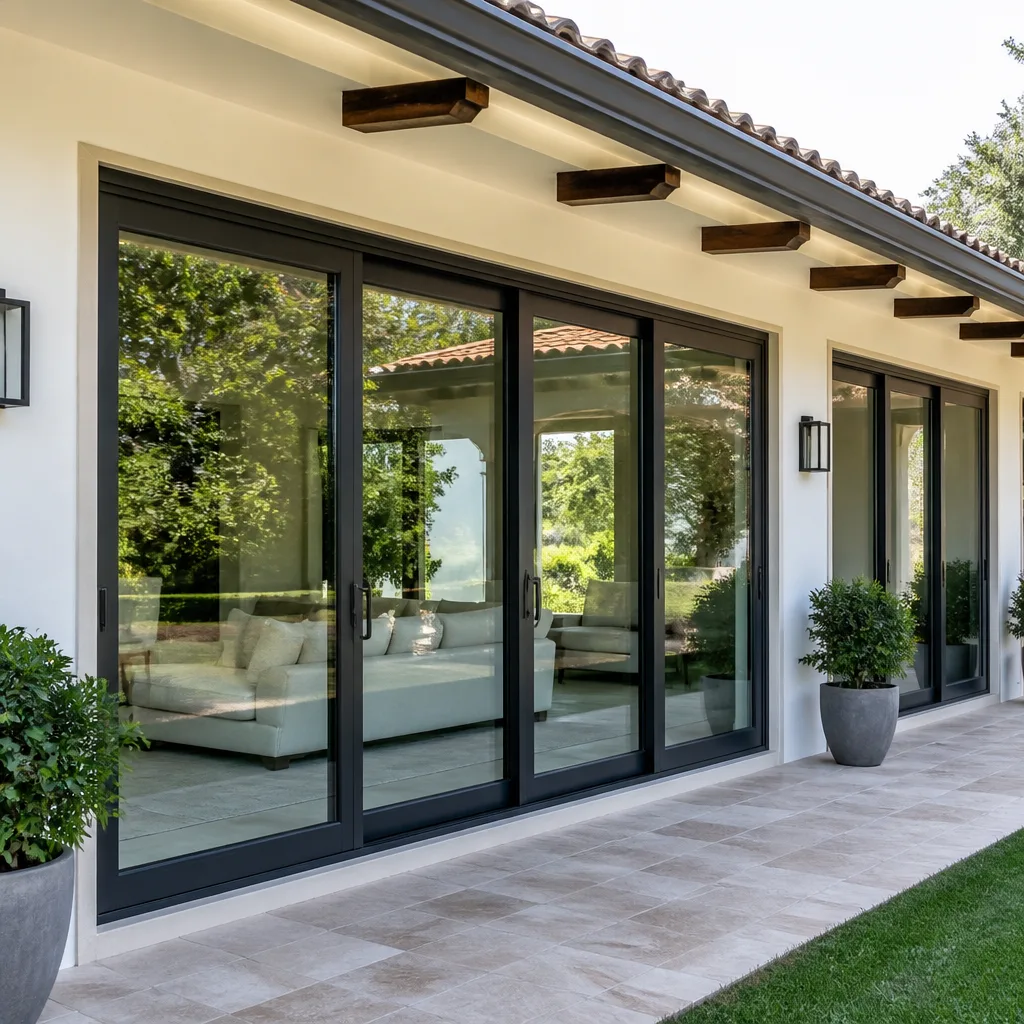
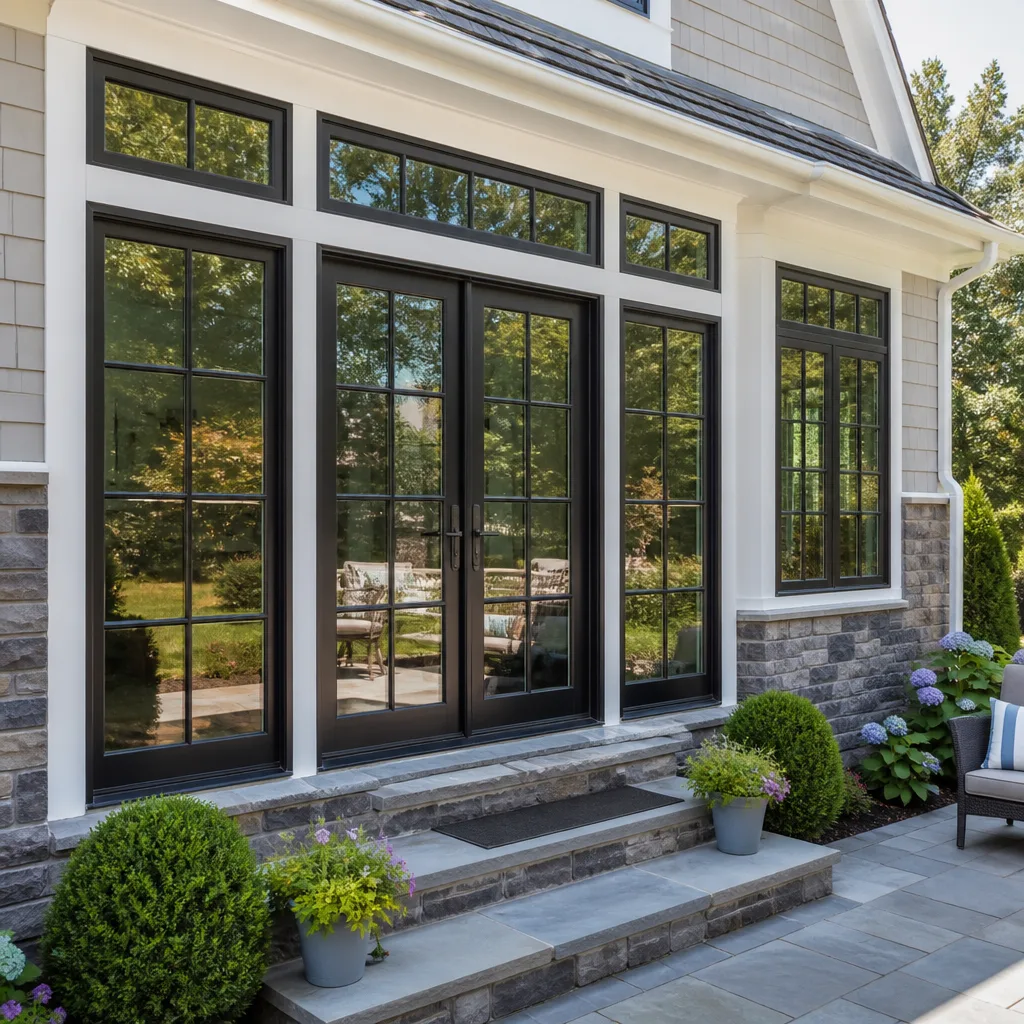
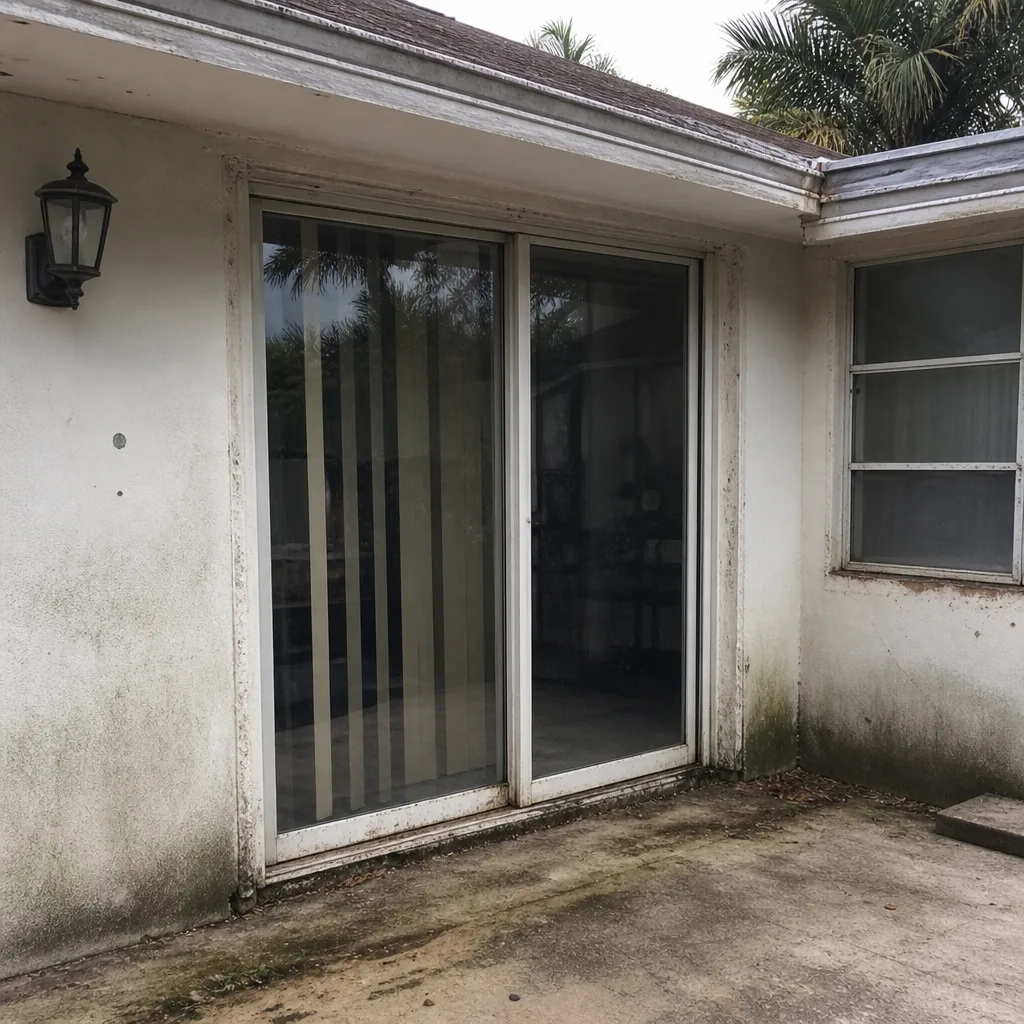 Before
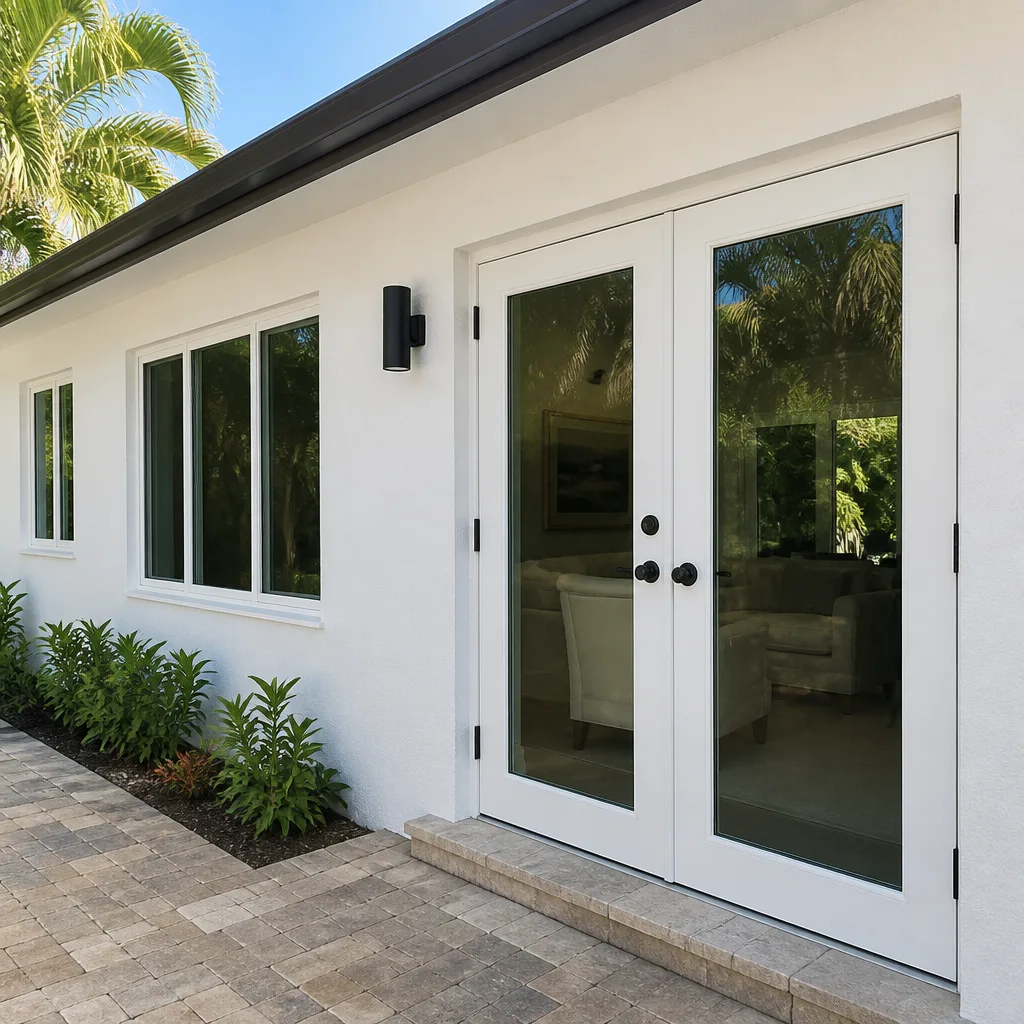 After
After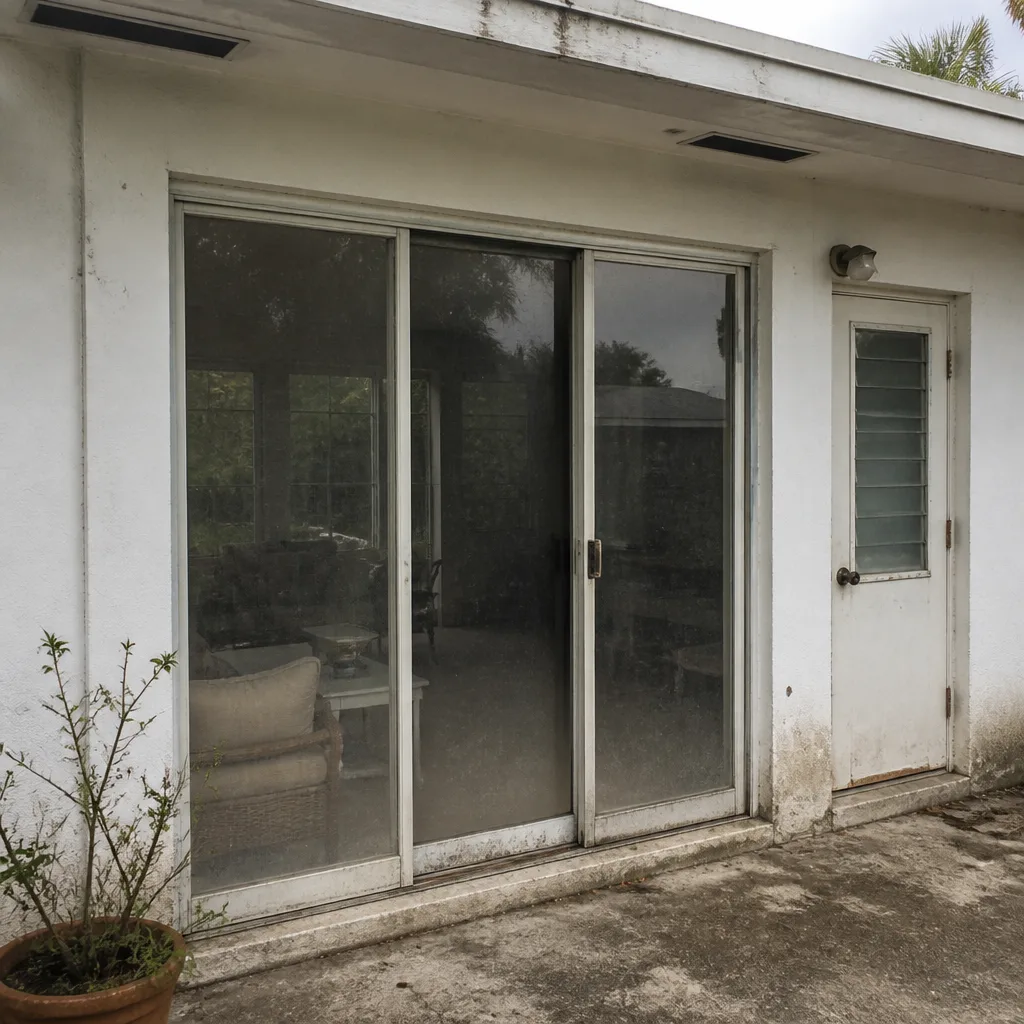 Before
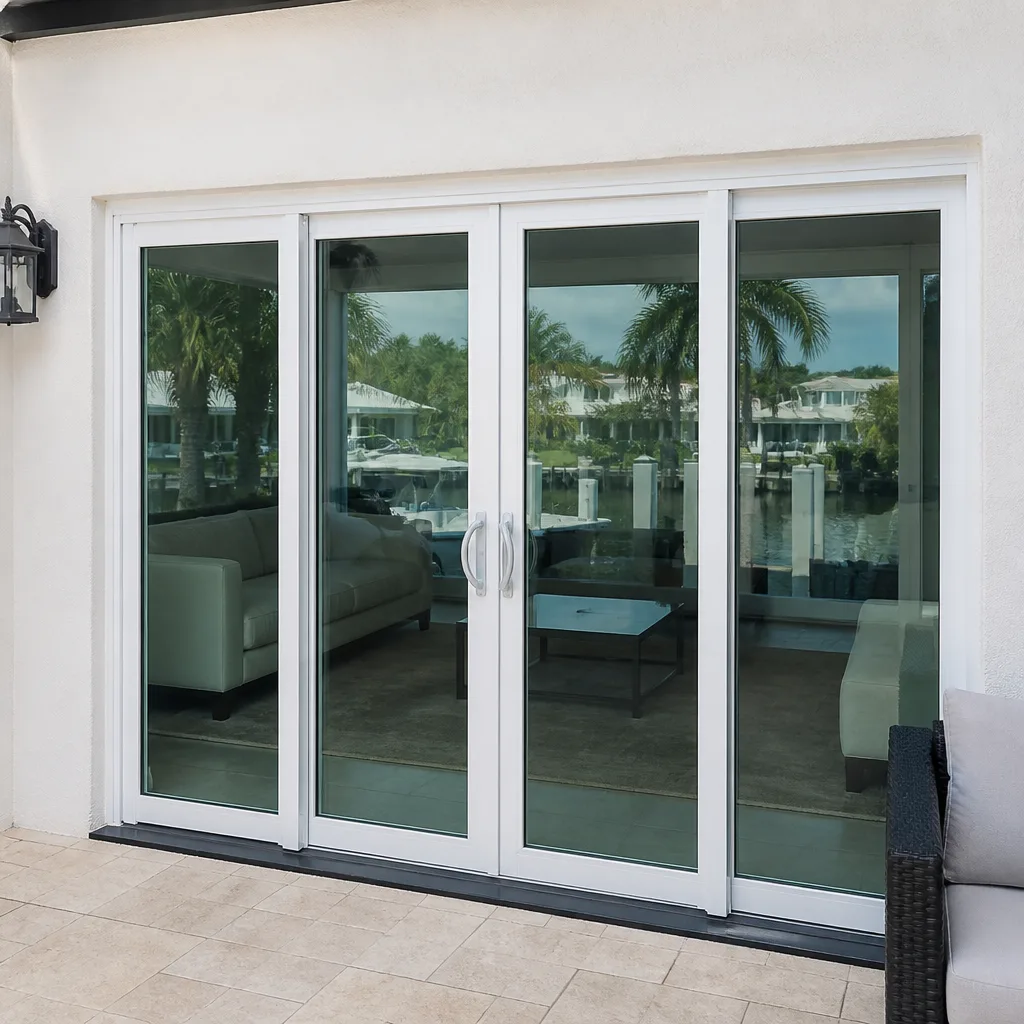 After
After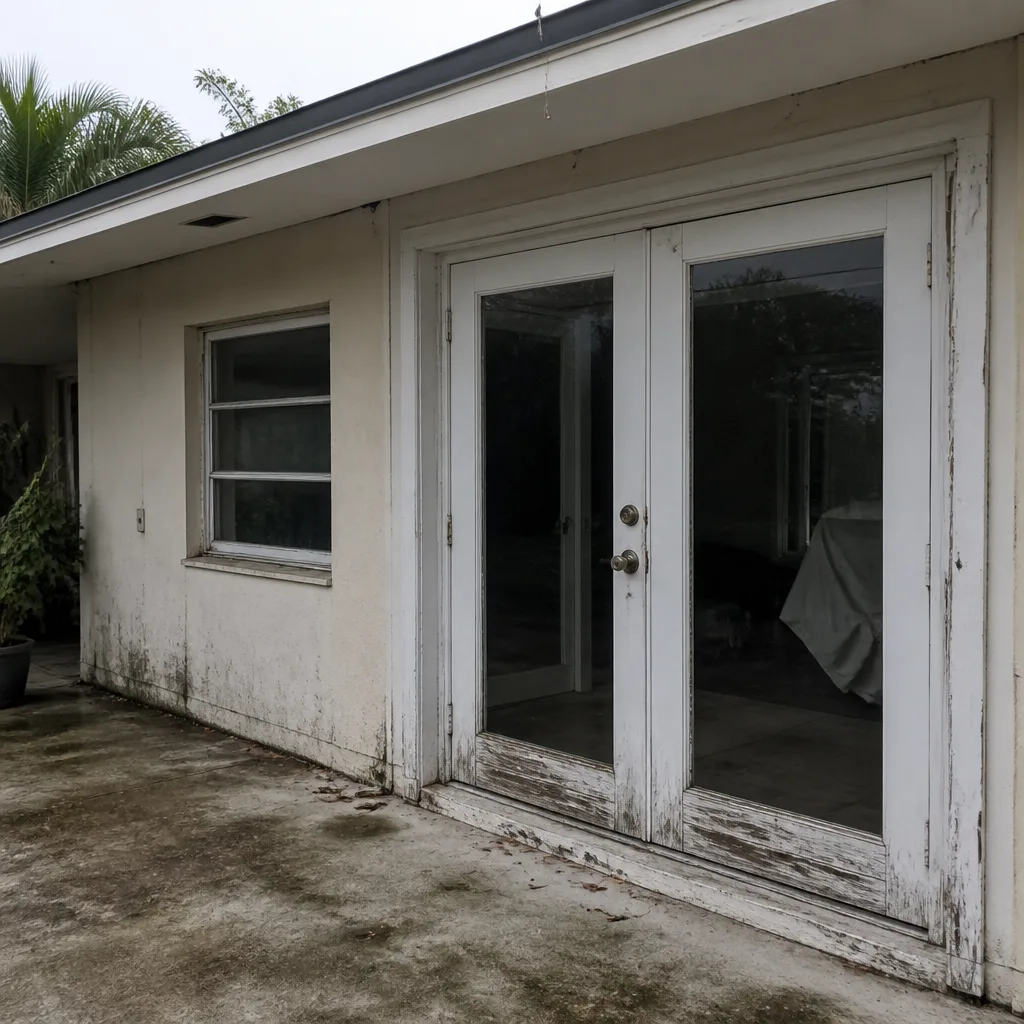 Before
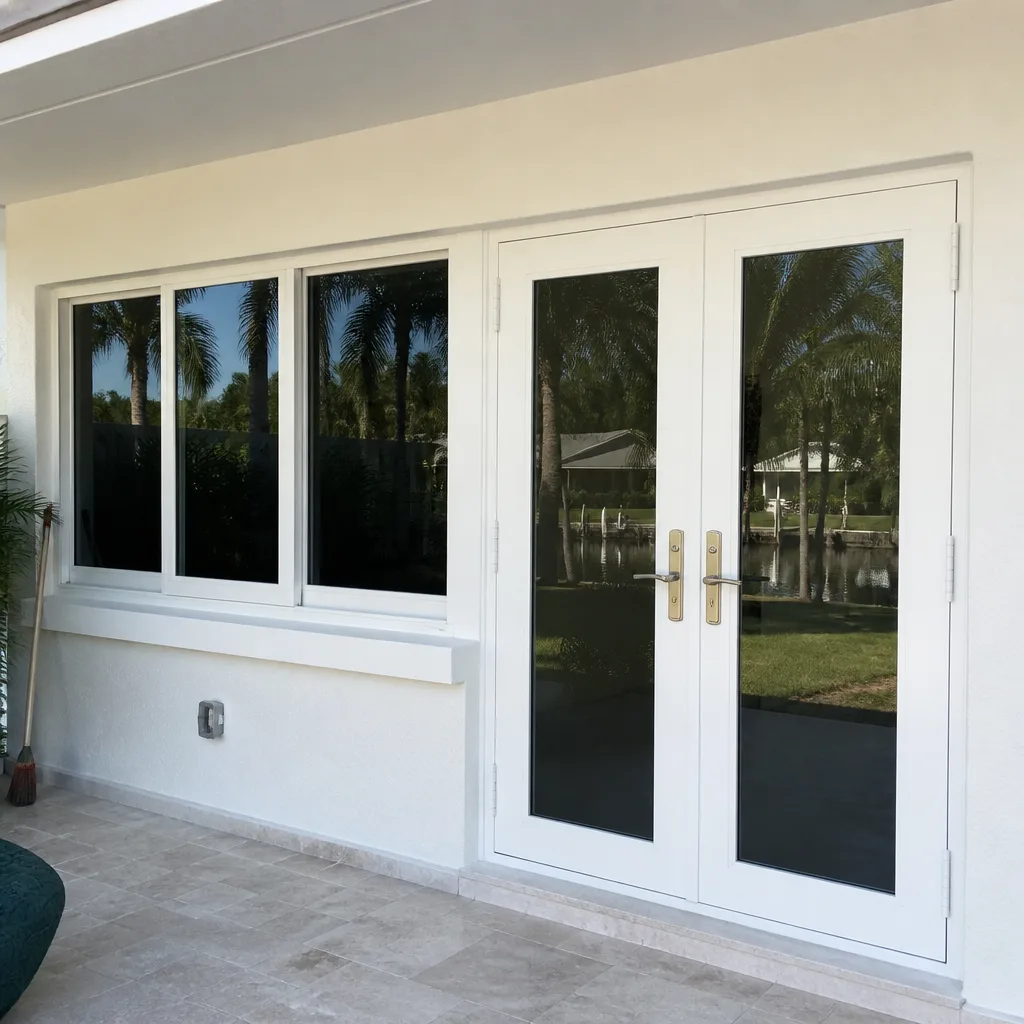 After
AfterUV-Blocking & Fade Protection in Fort Lauderdale, FL
UV-blocking windows filter out the solar radiation that bleaches hardwood floors, fades upholstery, and breaks down artwork – all without noticeably darkening your view. In Fort Lauderdale, where the sun angles hard and the UV index regularly sits at 10 or above from March through October, standard double-pane glass simply is not enough to protect a home’s interior. At TruePane Windows & Doors, we’ve been solving this problem for homeowners across Broward County for over 42 years, and we do it by installing glass packages that are actually engineered for South Florida’s solar load – not pulled from a national catalog and hoped to perform.
This page covers everything a Fort Lauderdale homeowner needs to know before making a decision: what UV-blocking glass does, how we install it, what it costs in this market, and what separates a properly registered window package from one that leaves you arguing with a manufacturer two years from now. If you’d rather talk it through first, a live person answers our phone at (754) 310-3589 around the clock – no voicemail tree, no callback queue. And if you want the broader picture on how fade protection fits into the full energy story, our Energy-Efficient Windows in Fort Lauderdale page is the right place to start.
Why Fort Lauderdale Homes Need More Than Standard Glass
The sun in Fort Lauderdale is not the same animal as the sun in Atlanta or Charlotte. The geographic position, the reflectivity off the Intracoastal and the Atlantic, and the near-year-round solar angle combine to deliver UV exposure levels that accelerate interior damage faster than most homeowners expect. A home with east-facing picture windows in Victoria Park or a west-facing great room in Coral Ridge is dealing with direct solar load for four to six hours a day, minimum, at angles that drive UV radiation deep into the room.
Standard clear glass blocks very little UV. Even basic Low-E glass, installed without attention to the specific solar heat gain coefficient (SHGC) rating required for this climate zone or a proper Window Energy Audits & Ratings review, can still transmit enough UV to cause meaningful fading within three to five years. Florida’s energy code (Florida Building Code, Energy Volume, Climate Zone 1) sets minimum SHGC thresholds for a reason – but meeting the minimum is not the same as protecting a home’s interior furnishings and finishes over the long term.
This is where the glass specification matters more than the frame it sits in.
When You Need UV-Blocking & Fade Protection
- Your floors are showing color variation near the windows. Hardwood and engineered wood floors in Fort Lauderdale homes frequently show a distinct fade line 18 to 36 inches from the glass – a reliable sign that the current windows are passing UV without filtering it. We see this regularly in older Coral Ridge homes with original single-pane jalousie replacements from the 1990s.
- Upholstered furniture facing the water is fading faster than the rest of the room. Waterfront properties in Harbor Beach and Rio Vista deal with reflected UV off the water in addition to direct sun – a compounding effect that degrades fabric and leather at roughly twice the rate of an interior-facing room.
- You have artwork, photography, or antiques on display near exterior walls. Pigments in oil paintings, photographs, and dyed textiles begin to shift with cumulative UV exposure. Once the fade sets in, it is irreversible – the glass is the only place to stop it before it starts.
- Your current windows are single-pane or have fogged seals. A fogged insulated glass unit has a failed seal, which means the argon or krypton gas fill has escaped and the Low-E coating – if there was one – is no longer performing as rated. In a Fort Lauderdale summer, this is both a UV problem and an energy cost problem.
- You’ve noticed the interior temperature near the glass is noticeably hotter than the rest of the room. This usually means the windows are transmitting solar heat gain that the HVAC has to fight. High UV transmission and high heat transmission tend to travel together; addressing one addresses both.
- You’re planning to stay in the home for ten or more years. For homeowners who intend to age in place – a common situation in established Fort Lauderdale neighborhoods like Nurmi Isles and Sailboat Bend – the calculus on quality glass changes. The investment pays for itself in preserved finishes and reduced HVAC load well before a decade is up.
How UV-Blocking Glass Actually Works
Standard float glass blocks roughly 25% of UV radiation. That sounds reasonable until you consider that most fading is caused by UV-A wavelengths in the 315-380 nanometer range, and clear glass passes almost all of it.
High-performance UV-blocking insulated glass units work through two mechanisms working together. The first is a Low-E (low-emissivity) metallic oxide coating applied to one of the interior glass surfaces – typically the #2 or #3 surface in a double-pane unit. This coating reflects infrared heat and filters UV without meaningfully reducing visible light transmission. The second mechanism is the gas fill between the panes: argon is standard, krypton is used where the gap is narrower. The gas fill reduces conductive heat transfer through the unit, which lowers the solar heat gain coefficient and reduces the overall energy load reaching the interior.
The best glass packages available for Fort Lauderdale conditions – products like CGI’s LoE-272 and ES Windows’ triple-coat Low-E configurations – block upward of 95% of UV-A and UV-B radiation while maintaining visible light transmittance above 60%. That means the room stays bright; the light just arrives without the wavelengths that destroy finishes.
The SHGC rating is the number to watch for South Florida. Florida Building Code Climate Zone 1 requires a maximum SHGC of 0.25 for most residential window applications. We typically recommend going lower – in the 0.19 to 0.22 range – for homes with significant west or southwest exposure, which describes a large portion of the homes we work on in Fort Lauderdale’s western neighborhoods near Davie Road and the Tarpon River corridor.
Our UV-Blocking & Fade Protection Process
- In-home assessment and solar orientation review. We start by walking the home with the homeowner, noting which elevations take direct sun and at what times of day. A west-facing wall in the Landings neighborhood has a different priority profile than a north-facing bedroom in Flagler Village. We measure every opening twice, document the existing glass specifications, and identify which rooms are showing active fade damage versus those that are still in good shape.
- Side-by-side glass specification comparison on paper. We pull options from the manufacturer lines we’re authorized to install – which includes CGI, ES Windows, and others suited to South Florida’s impact and UV requirements – and put them side by side in writing. SHGC, visible light transmittance, UV rejection percentage, frame material, and warranty duration all appear on the same sheet. No verbal summaries that are hard to remember; the homeowner sees exactly what they are buying before anything is ordered.
- Permit coordination where required. In Fort Lauderdale, window replacement on most residential properties requires a building permit through the City of Fort Lauderdale Development Services Division. We handle the permit application, coordinate the inspection schedule, and make sure the installation meets Florida Product Approval requirements – which is non-negotiable for any impact-rated product. Homeowners who went with the lowest bid and skipped permits have called us afterward to remediate; we’d rather get it right the first time.
- Precision installation by background-checked, uniformed technicians. Every measurement is confirmed on-site before the unit goes in. Shimming, flashing, and sealing follow manufacturer specifications because a Low-E glass package installed with improper flashing will develop air infiltration and moisture issues that compromise both the thermal performance and the warranty. Dale Kessler’s founding rule – if the pane is not true, the job is not done – is not a slogan at TruePane; it’s the standard every technician works to before the truck pulls away.
- Both warranty layers registered in writing before we leave. The Keystone Standard means the manufacturer’s product warranty and the manufacturer’s installation warranty are both registered, both in writing, with durations stated, before the job is closed out. We’ve seen too many Fort Lauderdale homeowners handed a warranty card with no record of registration. That’s not how we work.
- 90-Day Done Right walkthrough. Within the first 90 days, if anything is not performing as it should – condensation where there shouldn’t be any, a seal that looks off, hardware that doesn’t feel right – we come back and make it right. No paperwork fights, no arguing about whether the issue was installation or product. That is what the 90-Day Done Right Promise means in practice.
UV-Blocking & Fade Protection Pricing in Fort Lauderdale
UV-blocking window packages in Fort Lauderdale typically cost between $450 and $1,200 per window installed, depending on size, glass specification, frame material, and whether the opening requires any structural or flashing work. The table below reflects the realistic ranges we see in this market for a standard residential replacement without unusual complications.
| Scope | Typical Range (Installed) | Notes |
|---|---|---|
| Single casement or double-hung, standard size | $450 – $750 | CGI or ES Windows Low-E package, argon fill, impact-rated |
| Picture window or large fixed unit | $700 – $1,100 | Larger glass area increases UV rejection priority; SHGC 0.19-0.22 recommended |
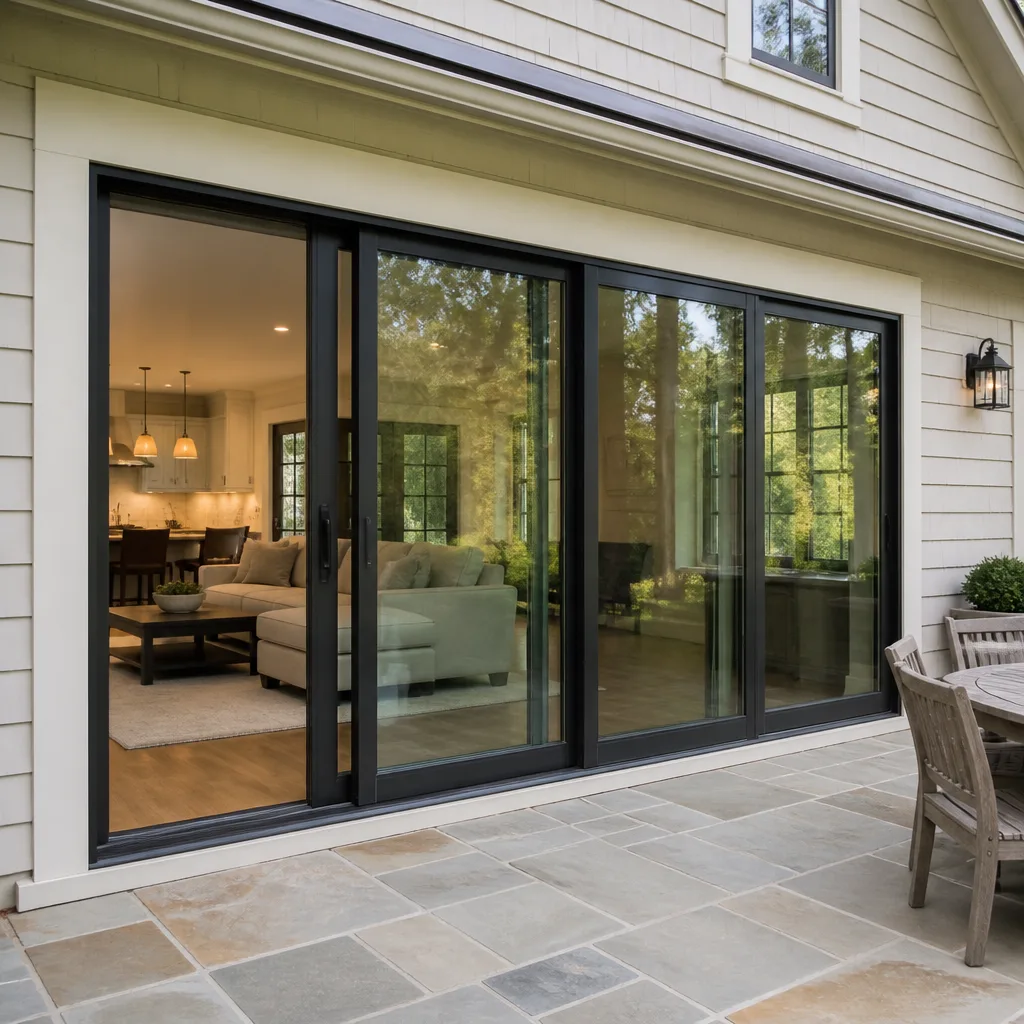
| Sliding glass door with UV-blocking glass package | $1,100 – $2,400 | Depends on panel count and frame specification |
| Whole-home package (10-15 windows) | $5,500 – $14,000 | Volume pricing applies; permits, inspection, and warranty registration included |
A few factors move the number up or down in Fort Lauderdale specifically. Older homes in the established neighborhoods west of Federal Highway – Progresso Village, Tarpon River, Edgewood – sometimes have non-standard rough opening sizes that require custom-order units rather than stock sizes, which adds both cost and lead time. Waterfront properties may need laminated interlayers in addition to Low-E coatings to meet both the UV and the impact requirements under Florida Building Code – that combination is more expensive but also more durable.
Seniors and veterans receive a standing 5% discount on every job at TruePane, no expiration date. If you’re doing repair work alongside a replacement and the repair bill exceeds $250, there’s $50 off that portion as well.
We don’t quote over the phone because a number without a measurement is not a price – it’s a guess. Call (754) 310-3589 and we’ll schedule a free in-home estimate. You’ll get a written quote with glass specifications and warranty details stated, not a ballpark that changes when the crew arrives.
FAQs – UV-Blocking & Fade Protection
How much UV do Low-E windows actually block in Fort Lauderdale?
High-performance Low-E glass blocks between 90% and 99% of UV radiation depending on the specific coating configuration. A standard entry-level Low-E unit might block around 75-80%; the better ENERGY STAR Replacement Windows and South Florida-grade packages from manufacturers like CGI and ES Windows – both of which we install – reach 95% UV rejection or higher while keeping the room bright. The critical spec to ask for is UV transmittance, not just SHGC or visible light transmittance. We put all three numbers in writing on every quote so you can compare them directly. For an exact figure on the unit we’d recommend for your home, call us at (754) 310-3589 – the estimate is free.
Will UV-blocking windows make my rooms darker?
No – not with a properly specified Low-E package. The coating filters UV and infrared radiation, not visible light. A quality unit maintains visible light transmittance above 60%, which is close to what standard clear glass delivers. Rooms that currently feel bright will stay bright; what changes is that the light arriving in the room will not carry the wavelengths that degrade flooring, fabric, and art. Homeowners sometimes confuse Low-E with tinted glass; they’re different products with different purposes. We can bring sample glass lites to an estimate appointment so you can see the difference firsthand before making a decision.
How long does it take for UV-blocking windows to show results on fading?
The blocking effect is immediate from the day of installation – UV radiation stops transmitting as soon as the new glass is in. The visible improvement to already-faded floors or furniture depends on how far the damage has progressed; glass can stop further fading but cannot reverse what’s already happened. Floors and fabric that show early-stage fading often even out somewhat over time once the UV source is removed, but significant bleaching is permanent. The practical answer is: the sooner the windows go in, the less irreversible damage accumulates. In Fort Lauderdale’s UV environment, a one-year delay in addressing inadequate windows is a meaningful amount of cumulative damage. Call (754) 310-3589 to get a free assessment of where your current glass stands.
Does UV-blocking glass require a permit in Fort Lauderdale?
Yes, in almost every residential case. The City of Fort Lauderdale requires a building permit for window and door replacement, and any impact-rated product must carry Florida Product Approval documentation. Skipping the permit to save money is a false economy – unpermitted window work can complicate a home sale, void the manufacturer warranty, and require removal and reinstallation at the homeowner’s expense if caught during a later inspection. TruePane handles the full permit process as a standard part of every job, not an add-on. The inspection protects the homeowner as much as it does anyone else.
What TruePane Brings That the Lowest Bid Doesn’t
Fort Lauderdale has no shortage of window companies. What’s harder to find is one that has been doing this work locally for over 42 years, still has Dale Kessler reviewing installations, still answers the phone at 2 a.m. when a homeowner has a question, and still registers both warranty layers in writing before leaving the driveway.
The homeowners who call us after a bad experience with another contractor describe the same pattern: a price that sounded good, a crew that moved fast, and a warranty card that turned out to mean nothing when they needed to use it. We built TruePane around fixing that pattern permanently. The Keystone Standard exists because Dale Kessler spent enough years watching homeowners left with unregistered warranties and paperwork fights to decide it was worth building a process that prevents it entirely.
We’re an authorized installer for more than a dozen manufacturer lines, which means we can put CGI, ES Windows, ECO Window Systems, and others side by side on paper and let you choose based on actual specifications – not on which line gives us the better margin. That’s a square deal, and it’s the only kind we offer.
If you’ve owned your home in Fort Lauderdale for a long time and you’re watching the floors fade near the windows, or you’re preparing to stay for another twenty years and want to protect what you’ve built, installing Energy-Efficient Windows is the work that pays for itself in preserved finishes, lower cooling bills, and a home that looks the way you intend it to. We’d be glad to walk through the options with you in person.
Call (754) 310-3589 to schedule a free in-home estimate. A live person answers every call, any time of day. If you want to learn more about how UV protection fits into the full picture of window performance, our home page covers the complete range of work we do across Broward County.
Written by Dale Kessler, Owner at TruePane Windows & Doors, serving Fort Lauderdale.
Six Reasons Homeowners Choose TruePane Windows & Doors
Impact systems engineered to design pressures up to +/-100, matched to your wind zone - your openings hold when the storm arrives.
Low-E insulated impact glass from our manufacturer lines commonly cuts monthly cooling bills 20-30%.
Laminated impact glass shuts out up to 40% of outside noise - traffic, neighbors, weather.
Monitoring services run $30-90 a month. Laminated impact glass resists forced entry around the clock, with no subscription.
Florida homeowners average around 25% savings on the windstorm portion of their policy after protecting every opening - some homes qualify for more.
A full impact package upgrades curb appeal, buyer confidence and appraised value in one project.