
Free in-home measure and quote - PGT, CGI and CWS impact lines compared on your actual openings, style by style
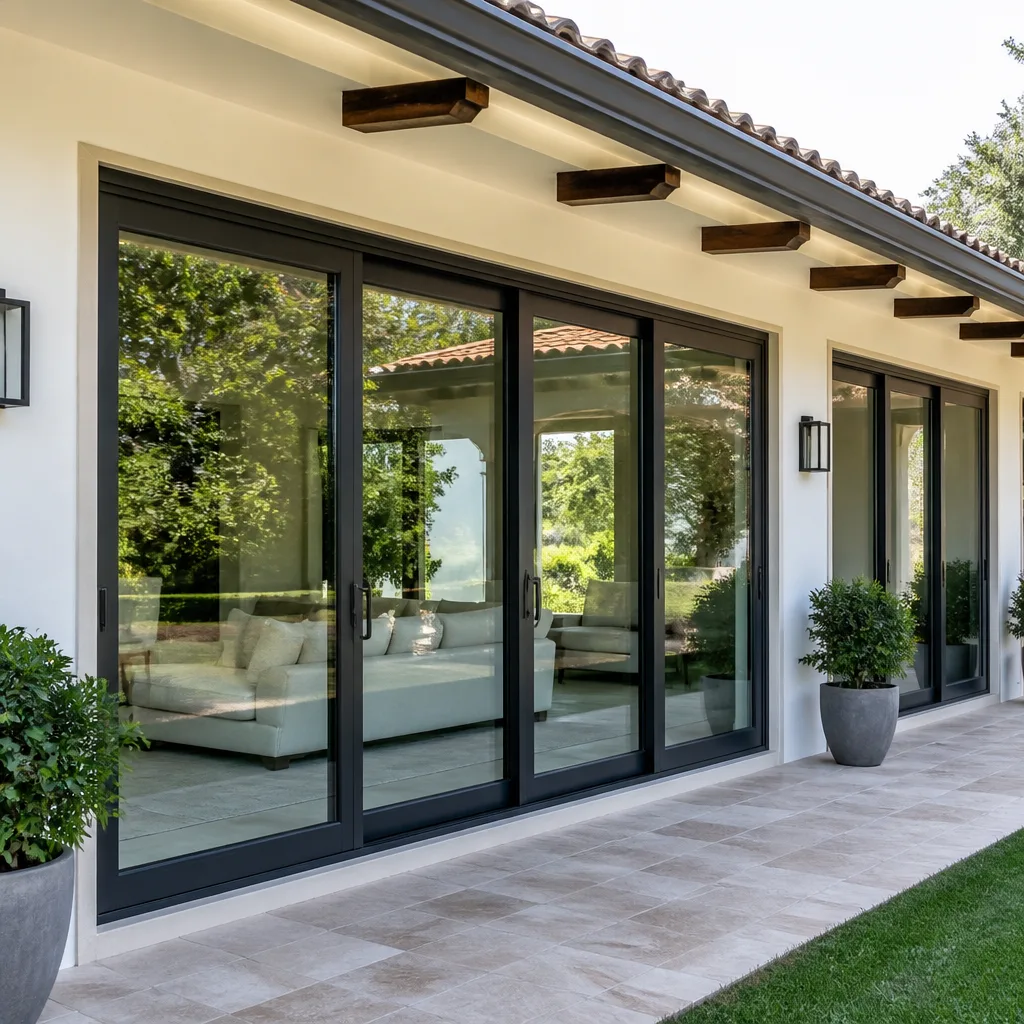
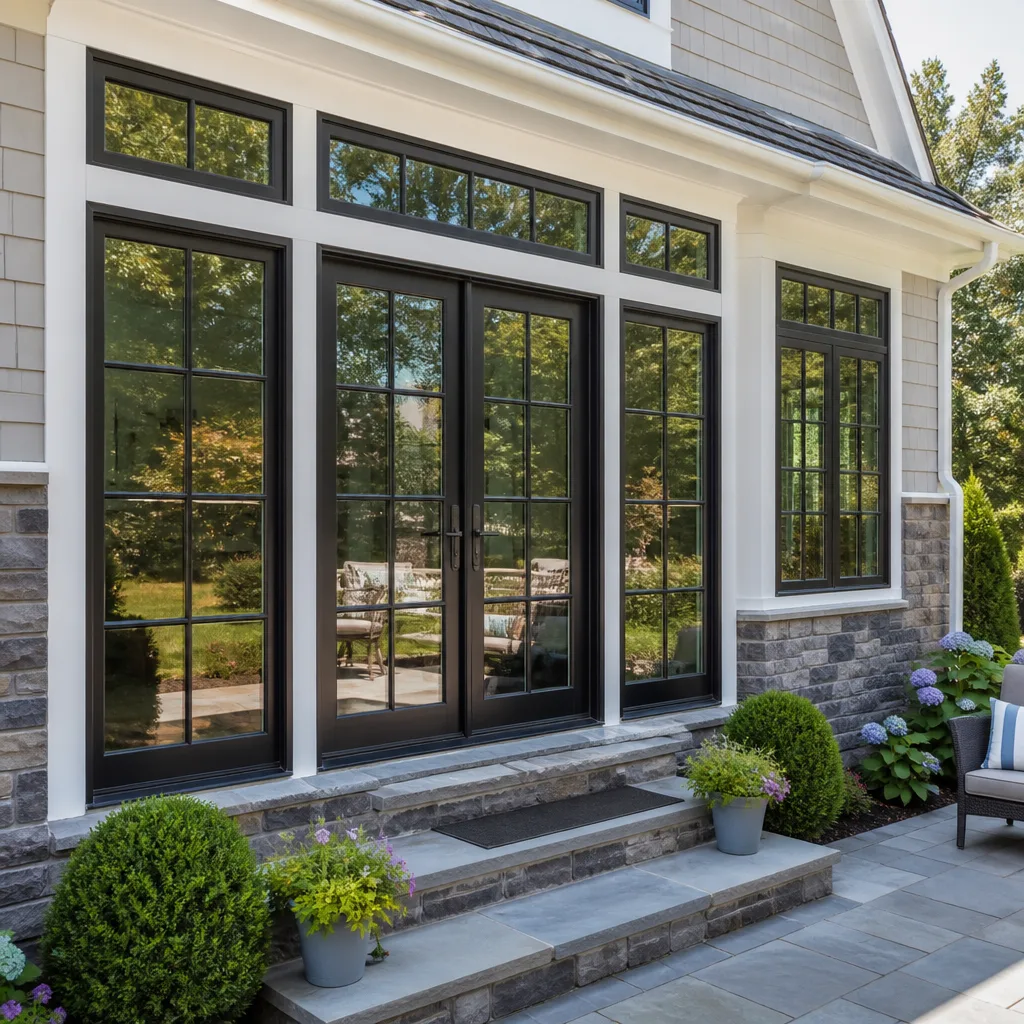
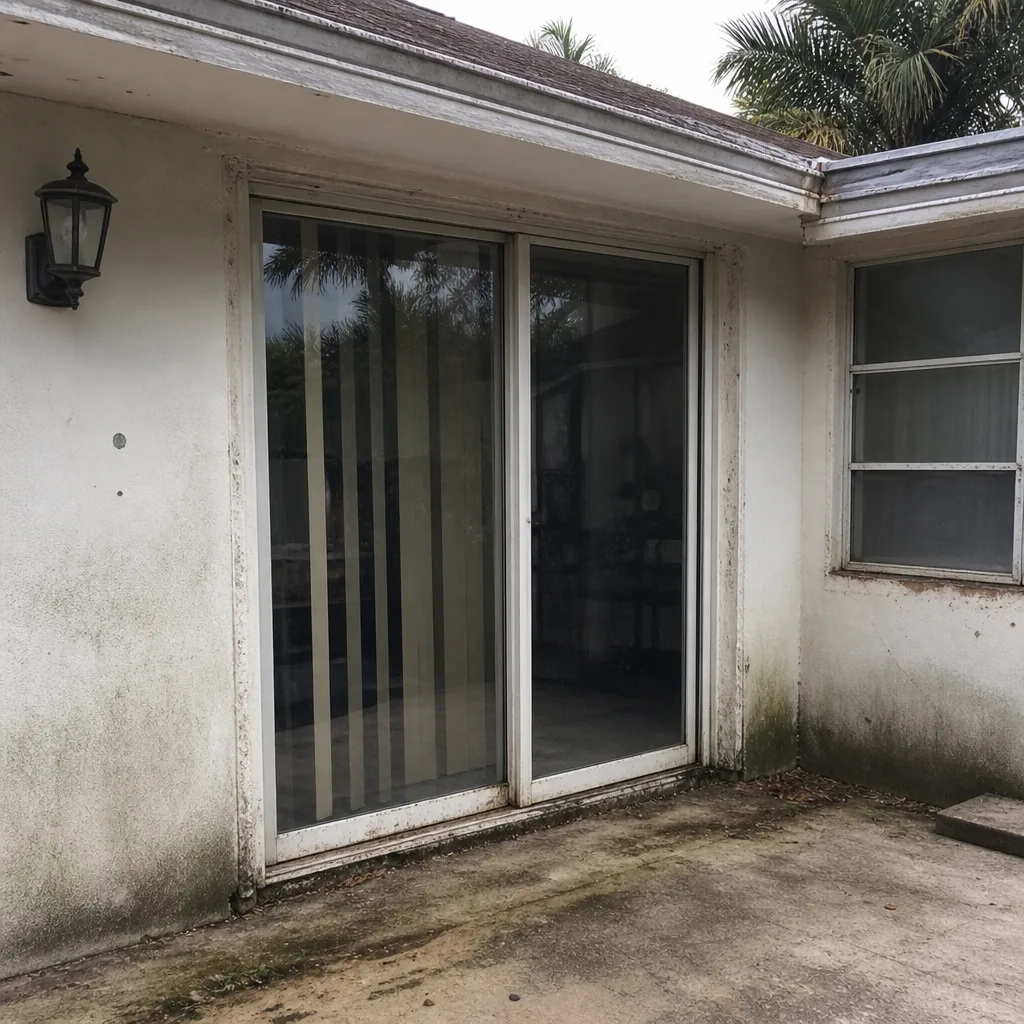 Before
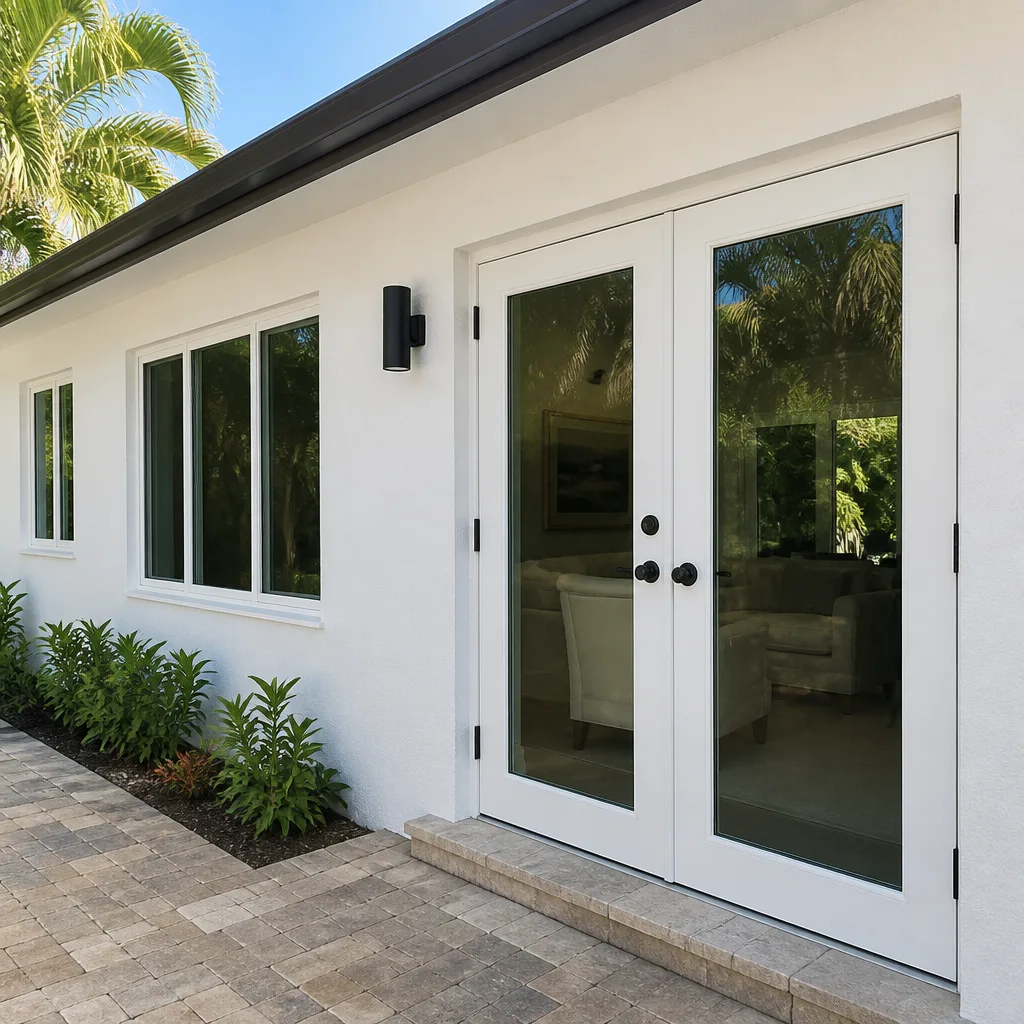 After
After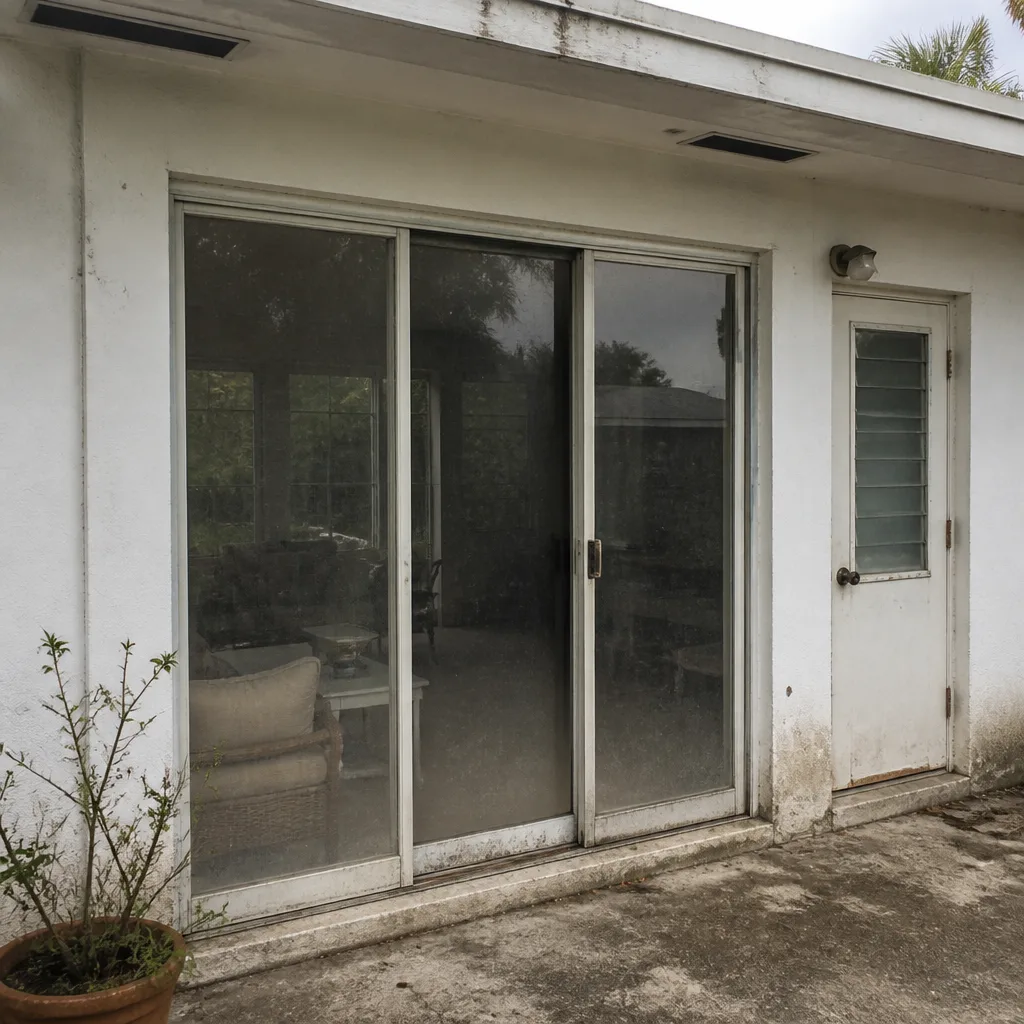 Before
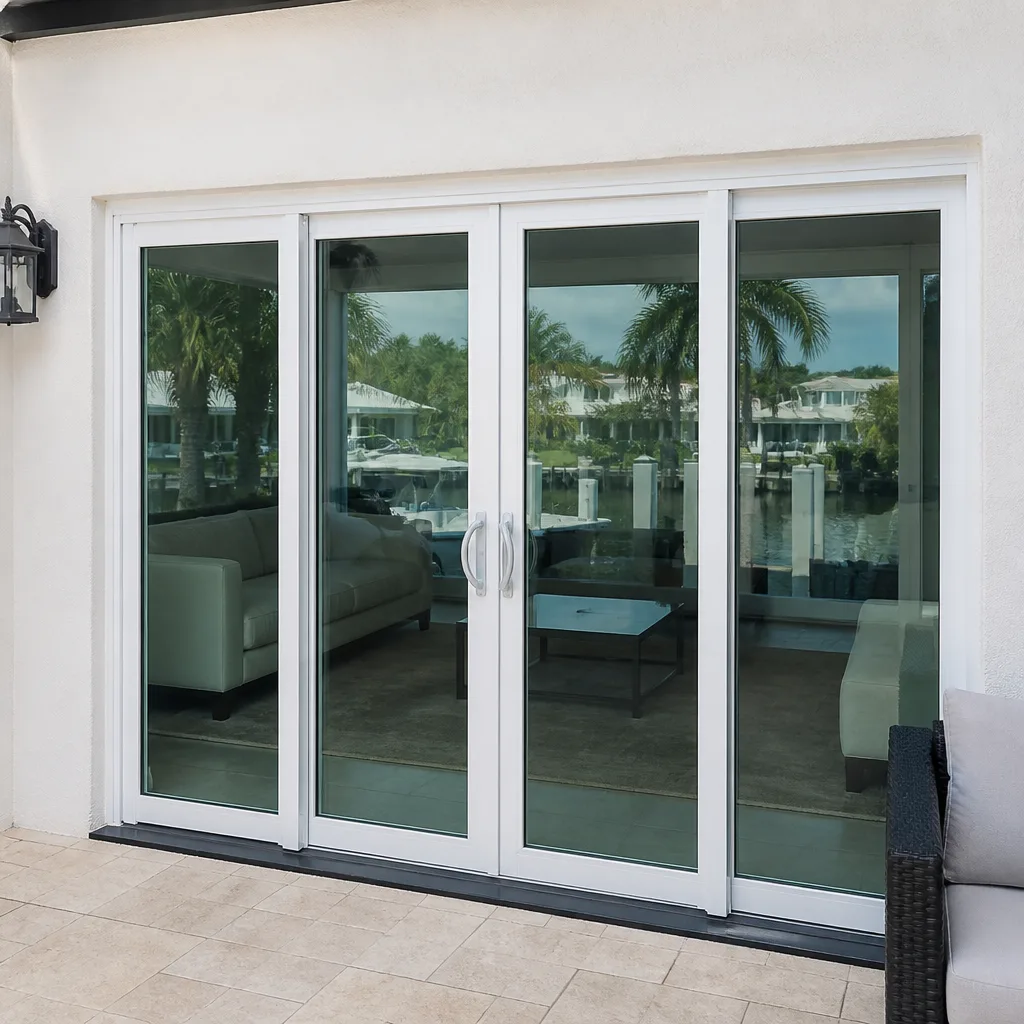 After
After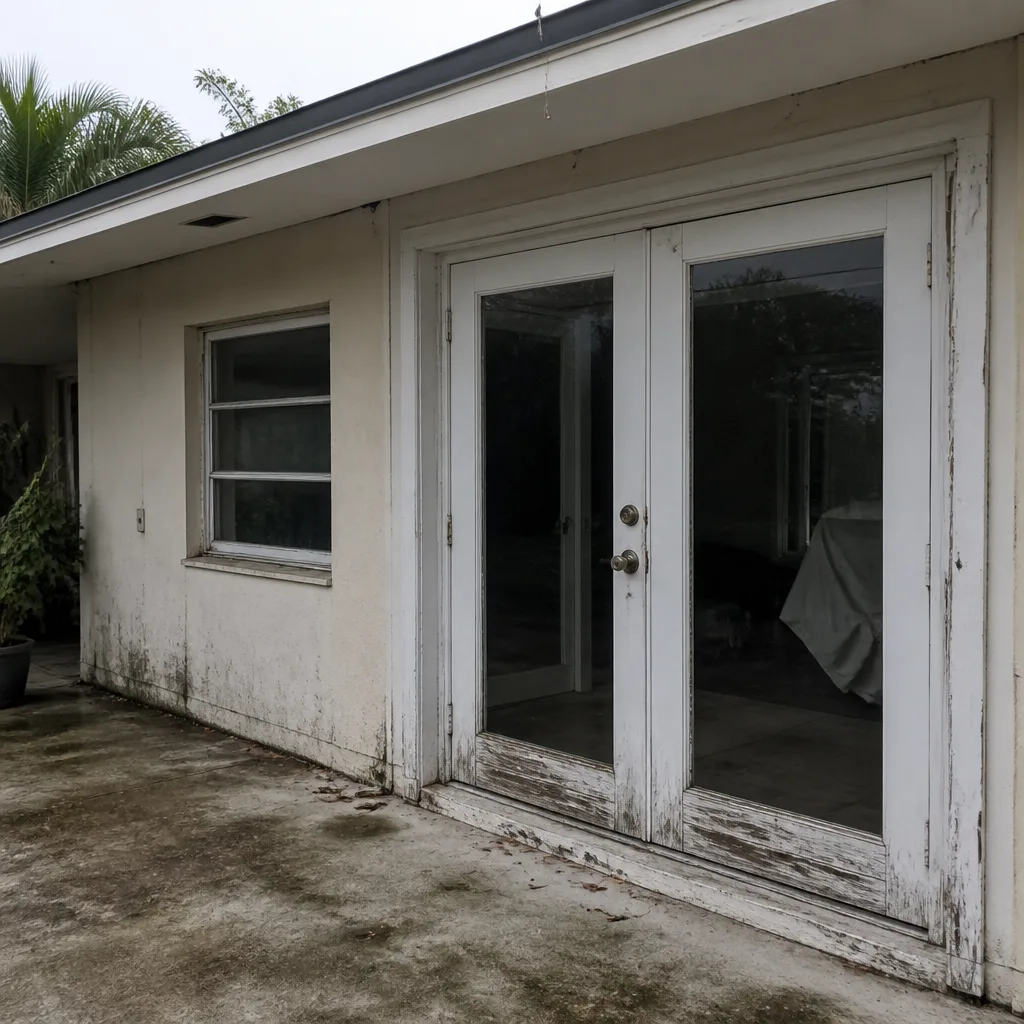 Before
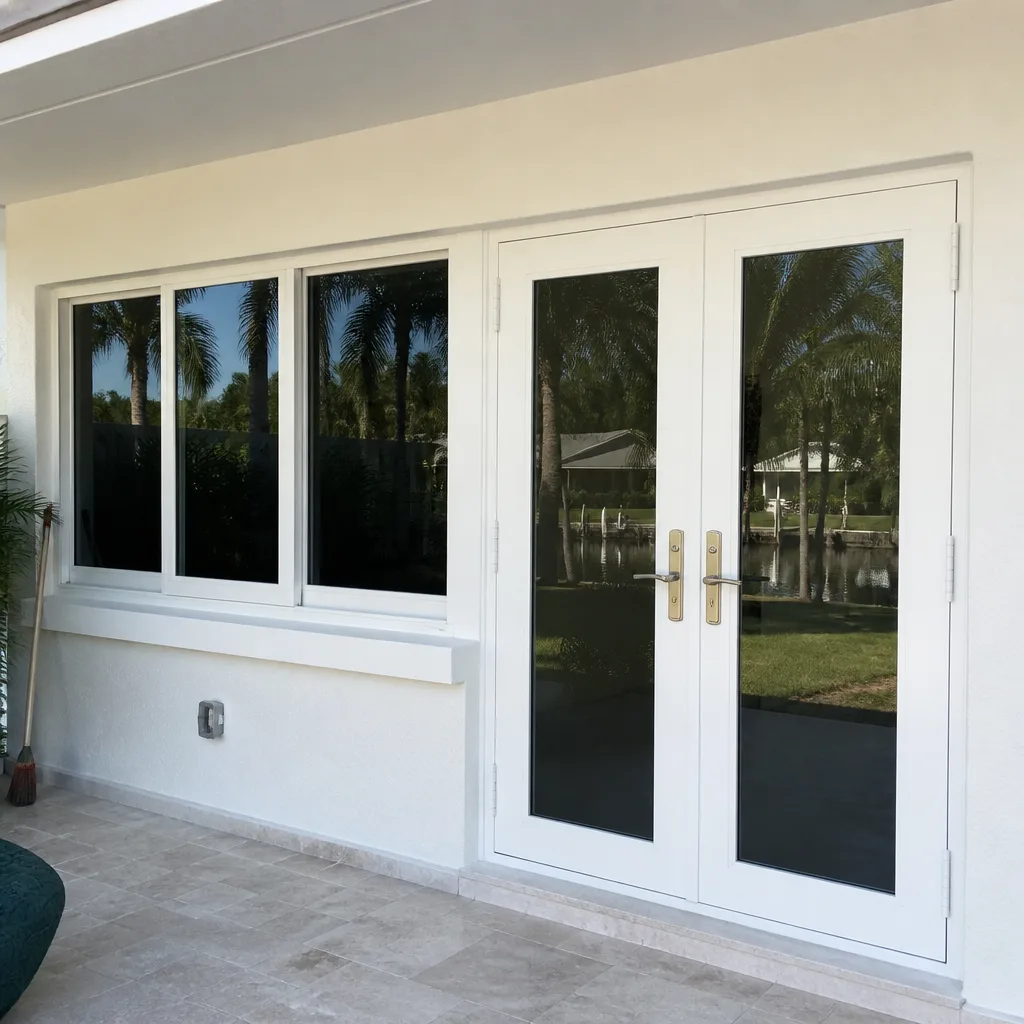 After
AfterWindow Energy Audits & Ratings in Fort Lauderdale, FL
A window energy audit is a systematic, on-site evaluation that measures how much conditioned air your windows are losing, identifies failing seals or under-performing glass units, and assigns rated performance data – U-factor, Solar Heat Gain Coefficient, and air leakage readings – to every opening in your home. In Fort Lauderdale, where afternoon heat loads routinely push indoor cooling systems to their limits from April through October, a single row of windows facing west can account for more than a third of your annual air-conditioning cost if the glazing is not performing to its rated spec. TruePane Windows & Doors has been doing this work for over 42 years, and we treat every audit the way Dale Kessler built the company: measure it, document it, and only recommend what the numbers actually support.
If you have noticed your FPL bill creeping up year after year without an obvious cause, or if the rooms on your south or west side never quite cool down no matter what you set the thermostat to, a window energy audit is the right first step – not a sales call, not a guess. Our Energy-Efficient Windows in Fort Lauderdale service starts here, with real measurements rather than catalog promises. Call us at (754) 310-3589 any time – a live person picks up around the clock – and we will schedule a visit at your convenience.
When You Need Window Energy Audits & Ratings
- Your cooling bills have risen steadily for two or more seasons. In Fort Lauderdale’s climate, HVAC carries almost no heating load, so if costs are climbing, the building envelope – windows first – is the most likely culprit. An audit puts numbers to the suspicion rather than leaving you guessing.
- Certain rooms feel noticeably warmer than the thermostat reading. Homes in Victoria Park, Rio Vista, and Coral Ridge with original late-1970s or 1980s single-pane aluminum frames frequently show surface temperatures on the glass of 120°F or higher on a summer afternoon – far above what any rated low-e coating would allow.
- You can feel air movement near the frame on a windy day. Broward County’s easterly trades and tropical storm seasons put real pressure on window perimeters. A rating inspection will quantify that leakage with a calibrated blower-door reading rather than a hand-held guess.
- The glass fogs between panes and won’t clear. A fogged insulating unit has lost its argon fill and its desiccant is saturated. The U-factor on that unit is no longer anywhere near what the label stamped on it when it left the factory. An audit documents exactly which units have failed so you replace only what needs replacing.
- You are preparing for a window replacement project and want to compare products honestly. Before committing to any manufacturer line, a baseline audit tells you what current performance looks like and gives you a benchmark to hold new windows against. CGI and ES Windows both carry NFRC-certified ratings; knowing your existing numbers lets you evaluate the improvement on paper before a single frame comes out.
- Your homeowner’s insurance carrier or lender is requesting energy-performance documentation. Some Florida carriers now ask for written ratings confirmation as part of policy renewal or refinance appraisal. A formal audit with documented NFRC ratings satisfies that requirement directly.
Our Window Energy Audits & Ratings Process
We do not send a salesperson with a brochure. We send a background-checked, uniformed technician with calibrated instruments, a NFRC ratings reference library, and enough time to work through your home without rushing. Here is what the visit looks like, start to finish.
- Pre-visit documentation review. Before we arrive, we ask for any existing window specifications you have – original building permits, prior inspection reports, or manufacturer product sheets. Fort Lauderdale homes permitted before 2002 frequently lack Miami-Dade Notice of Acceptance documentation for the glazing, which affects both the ratings baseline and your insurance status. Gathering this ahead of time means we are not discovering surprises at the door.
- Visual inspection of every opening. We walk the entire perimeter of the home, inside and out, and document each window unit: frame material, approximate glass thickness, visible seal condition, frame-to-wall transition, and any evidence of water intrusion or storm damage. In neighborhoods like Tarpon River and Edgewood, where salt-air corrosion accelerates aluminum frame deterioration, we pay particular attention to corner welds and sill drainage ports.
- Thermal and air-leakage measurement. Using a calibrated infrared thermometer and, where conditions allow, a blower-door test, we measure surface temperatures across each glazing unit and identify pressure-driven air infiltration at frames and sills. This is not a pass-or-fail test – it produces actual numbers, in CFM and in surface-temperature delta, that feed directly into the rating comparison we build for you.
- NFRC ratings cross-reference. We pull the NFRC-certified ratings for each window unit we can identify by manufacturer and model. For units that have lost their label or were installed without documentation, we apply conservative field estimates based on frame type and glass appearance, and we tell you that is what we are doing. U-factor, Solar Heat Gain Coefficient (SHGC), and visible transmittance are the three numbers that matter most in Fort Lauderdale’s climate; we explain what each one means in plain language before we leave.
- Written audit report with prioritized findings. Within 48 hours of the visit, you receive a written report organized by window location, current estimated ratings, measured leakage data, and a prioritized list of which units are failing versus which are performing adequately. We do not inflate the findings list. If six windows are fine and three are not, the report says exactly that.
- Options presentation – if replacement is warranted. If the audit supports recommending new windows, we quote manufacturer lines side by side on paper – including options from CGI, ECO Window Systems, and ES Windows where appropriate – with NFRC ratings, pricing, and projected performance improvement stated clearly. You see exactly what you are buying and exactly what it is rated to do. Under The Keystone Standard, both warranty layers are registered in writing before the truck leaves the driveway, with durations stated. No surprises on the bill. No second appointment left hanging.
Window Energy Audits & Ratings Pricing in Fort Lauderdale
A window energy audit in Fort Lauderdale typically runs between $150 and $350 for a single-family home, depending on the number of openings, the accessibility of upper-floor windows, and whether a full blower-door test is included. The table below shows the typical ranges we see in this market.
| Audit Scope | Typical Price Range |
|---|---|
| Basic visual inspection and ratings documentation (up to 15 windows) | $150 – $220 |
| Full audit with thermal measurement (15-30 windows) | $220 – $290 |
| Comprehensive audit with blower-door test and written report (any size home) | $290 – $350 |
| Audit credit applied toward qualifying replacement project | Audit fee waived at project start |
A few things affect where your project lands in those ranges. Homes in the Flagler Village corridor or along the Intracoastal with extensive impact-rated glazing require more time to cross-reference NFRC documentation than a standard suburban home with double-hung aluminum units. Second-story windows without safe exterior access may require additional setup time. And if you have a mix of window types – jalousies, casements, single-hungs, and fixed picture windows all on the same property, which is not uncommon in older Fort Lauderdale homes – the documentation work takes longer.
If the audit leads to a window replacement project with TruePane, we apply the audit fee as a credit toward the job total. Seniors and veterans receive a permanent 5% discount on all work. Repair projects over $250 qualify for $50 off. Pricing is upfront, stated on paper, and there are no surprise line items when the invoice arrives.
For an exact quote on your home, call us at (754) 310-3589. Estimates are free, and a live person will answer whenever you call.
What Fort Lauderdale’s Climate Does to Window Ratings Over Time
This is the part most window companies skip, and it matters more here than in almost any other market in the country.
Fort Lauderdale sits at roughly 26 degrees north latitude with a marine-influenced humid subtropical climate. That combination means relentless UV exposure on south and west-facing glass, salt-laden air within roughly a mile of the Intracoastal and the Atlantic coast, and seasonal humidity that cycles between 75% and 95% relative humidity for months at a time. Each of those factors degrades window performance in a specific, measurable way.
UV exposure breaks down Low-E & Argon Gas Glass coatings on older glass units that were not manufactured to current ASTM durability standards. A window that left the factory rated at a Solar Heat Gain Coefficient of 0.25 may be performing closer to 0.40 or higher after fifteen years of direct Florida sun – and that difference translates directly to your cooling load. Homes in Coral Ridge and Harbor Beach, where west and southwest exposures face open water, see this degradation faster than inland neighborhoods.
Salt air accelerates corrosion at aluminum frame joints and sill pans. When the frame seal fails at a corner weld, the insulating unit begins exchanging air with the outside regardless of what its glass rating says. The unit may look fine from the interior and still be leaking conditioned air continuously at the perimeter. This is a common finding in homes built along the New River or east of Federal Highway in the 1980s and 1990s.
High humidity drives moisture into the space between dual-pane units when the edge seal degrades. Once fog appears, the argon fill is gone and the Insulated Laminated Glass coating on the inner surface is typically compromised. The rated U-factor on that unit – whatever the original specification stated – no longer applies. We document every failed unit in the audit report with its location and its current estimated performance versus its original specification so you have a factual basis for any replacement decision.
All of this is part of why the TruePane Windows & Doors audit process produces a written report rather than a verbal recommendation. Numbers on paper hold up over time. A conversation does not.
Understanding NFRC Ratings: What the Numbers Mean for Your Home
The National Fenestration Rating Council label is the standard measure for window performance in the United States, and Florida’s energy code references it directly. Here is what each rating tells you in practical terms for a Fort Lauderdale home.
- U-Factor (range 0.20 – 1.20): Measures how readily the window transfers heat. Lower is better. In Fort Lauderdale, the Florida Building Code’s Energy Conservation chapter sets 0.40 as the maximum for most residential applications. A window with a U-factor of 0.28 or lower will meaningfully reduce heat transfer through the glass on a summer afternoon.
- Solar Heat Gain Coefficient – SHGC (range 0.0 – 1.0): Measures how much solar radiation passes through the glass as heat. This is the most critical number for cooling-dominated climates like Fort Lauderdale’s. Florida’s energy code requires 0.25 or lower for most residential window applications in Climate Zone 1, which covers Broward County. A high-SHGC window lets in solar heat that your air conditioner then has to remove.
- Visible Transmittance – VT (range 0.0 – 1.0): Measures how much visible light passes through. This is not an energy code requirement in most residential applications, but it affects daylighting comfort. Lower-SHGC glass often reduces VT as well; the audit helps you understand that trade-off before committing to a product.
- Air Leakage (AL): Measured in cubic feet per minute per square foot of frame area. Florida energy code allows a maximum of 0.30 CFM per square foot. Older aluminum frame windows commonly test at two to three times that level, which is a significant contributor to humidity infiltration and the musty-air problem common in older Fort Lauderdale homes.
Products from CGI and ECO Window Systems are both ENERGY STAR Replacement Windows with NFRC certification, which means independent labs – not the manufacturer – verified the ratings on the label. When we present replacement options side by side, those certified ratings are part of the comparison so you are evaluating real performance data, not marketing language.
Key Takeaways
- A window energy audit in Fort Lauderdale measures actual window performance against NFRC standards – U-factor, SHGC, air leakage – not estimates or sales assumptions.
- Fort Lauderdale’s UV exposure, salt air, and year-round humidity degrade window performance in measurable ways that only a physical audit can quantify.
- Audits typically cost $150 to $350 for a single-family home; that fee is credited toward a qualifying replacement project.
- The written report TruePane produces prioritizes findings so you know which windows are failing and which are performing adequately – we do not inflate the replacement list.
- Under The Keystone Standard, any replacement work that follows carries both manufacturer warranty layers registered in writing before the truck leaves, plus the 90-Day Done Right Promise.
- Dale Kessler’s rule has not changed since the company was founded: if the pane is not true, the job is not done.
FAQs – Window Energy Audits & Ratings in Fort Lauderdale
How much does a window energy audit cost in Fort Lauderdale?
A window energy audit in Fort Lauderdale typically costs between $150 and $350 for a single-family home, depending on the number of windows, the type of inspection included, and whether a full blower-door air-leakage test is part of the scope. TruePane applies the audit fee as a credit toward any qualifying window replacement project that follows. Call (754) 310-3589 for an exact quote – estimates are free.
What does a window energy rating actually measure?
A window energy rating measures three primary performance characteristics: U-factor (resistance to heat transfer through the glass), Solar Heat Gain Coefficient (how much solar radiation enters as heat), and air leakage (how much outside air infiltrates through the frame and seals). In Fort Lauderdale, SHGC is generally the most consequential number because the cooling load from direct solar gain is what drives most of the air-conditioning cost in Broward County homes. A low-SHGC, low-U-factor Energy-Efficient Windows services upgrade can reduce that load substantially compared to a typical 1980s single-pane aluminum unit.
Can a window energy audit tell me whether to repair or replace my windows?
Yes – that is one of the primary reasons to get the audit done before committing to either path. A full audit identifies which specific units have failed seals, measurable air leakage, or degraded coatings versus which units are still performing within acceptable ranges. In a typical Fort Lauderdale home we audit, it is common to find that a third to a half of the windows are still functioning adequately and do not need immediate replacement. The written report we provide prioritizes findings so you spend money only where the numbers support it. Call (754) 310-3589 to schedule an evaluation.
How does Fort Lauderdale’s climate affect window performance differently than other cities?
Fort Lauderdale’s combination of high UV index, salt-laden coastal air, and sustained humidity puts more stress on window seals, low-e coatings, and frame materials than almost any inland market in the country. UV exposure degrades low-e coatings on older glass units, often raising the effective SHGC well above the factory rating. Salt air corrodes aluminum frame joints, breaking the perimeter seal and creating air infiltration paths that no glass rating can compensate for. Humidity cycling between seasons drives moisture into failed insulating units, fogging the glass and eliminating the argon fill that contributes to the rated U-factor. An audit conducted by someone who works in Fort Lauderdale year-round accounts for all of these factors; a generic national energy audit checklist typically does not.
Written by Dale Kessler, Owner at TruePane Windows & Doors, serving Fort Lauderdale.
Six Reasons Homeowners Choose TruePane Windows & Doors
Impact systems engineered to design pressures up to +/-100, matched to your wind zone - your openings hold when the storm arrives.
Low-E insulated impact glass from our manufacturer lines commonly cuts monthly cooling bills 20-30%.
Laminated impact glass shuts out up to 40% of outside noise - traffic, neighbors, weather.
Monitoring services run $30-90 a month. Laminated impact glass resists forced entry around the clock, with no subscription.
Florida homeowners average around 25% savings on the windstorm portion of their policy after protecting every opening - some homes qualify for more.
A full impact package upgrades curb appeal, buyer confidence and appraised value in one project.