
Free in-home measure and quote - PGT, CGI and CWS impact lines compared on your actual openings, style by style
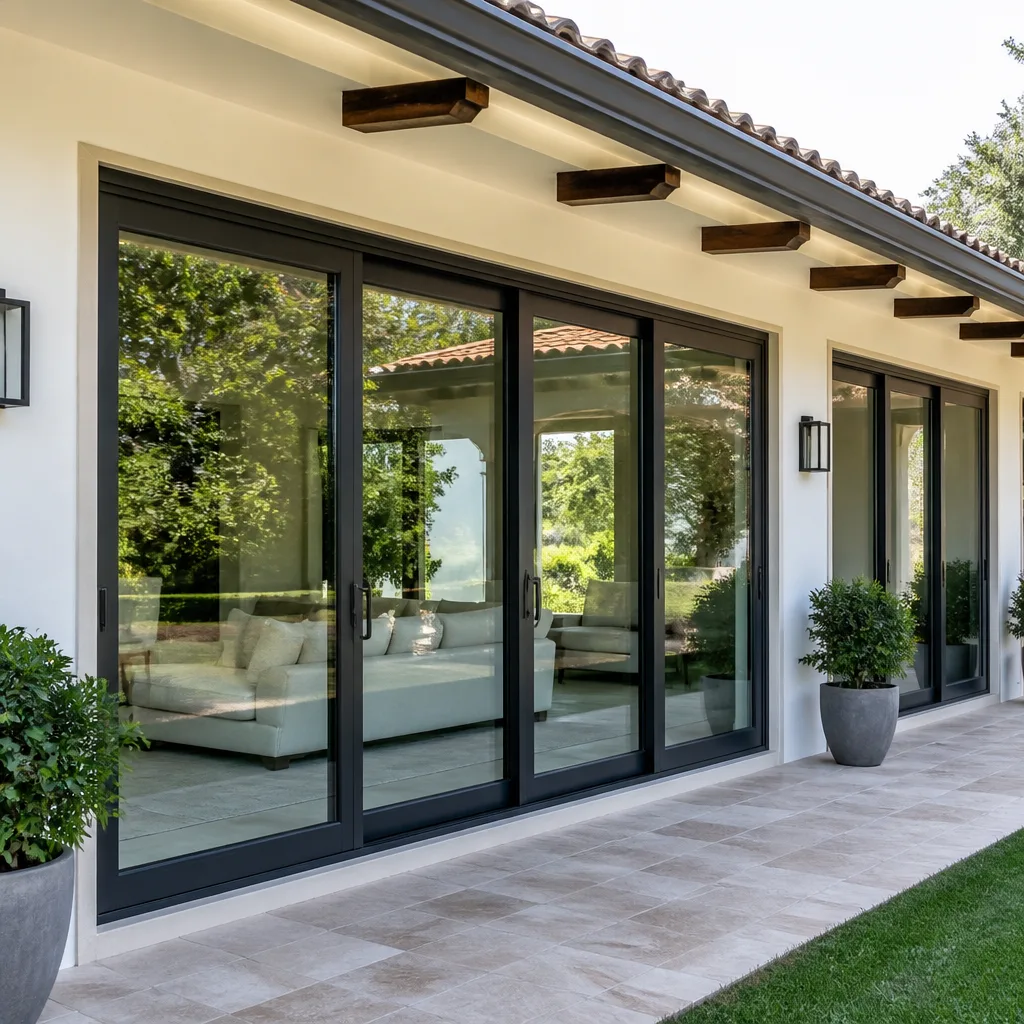
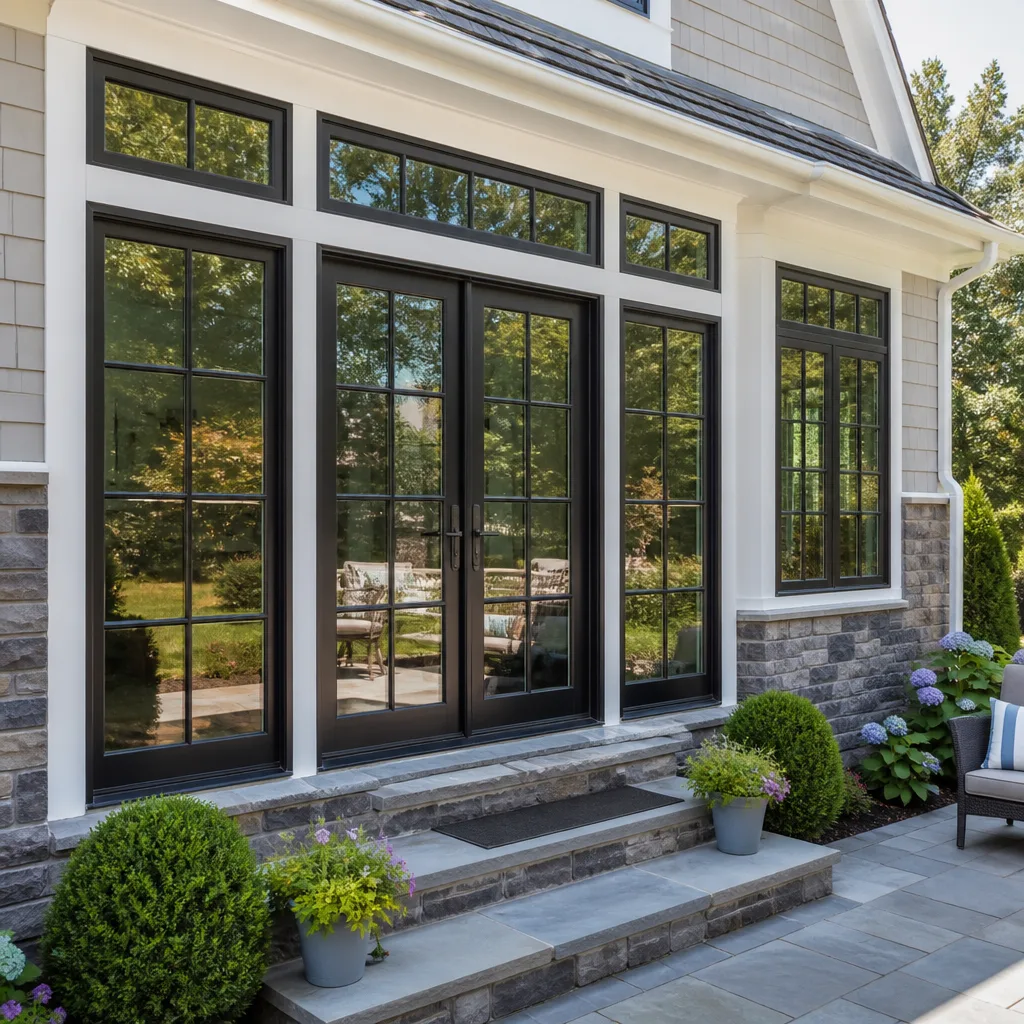
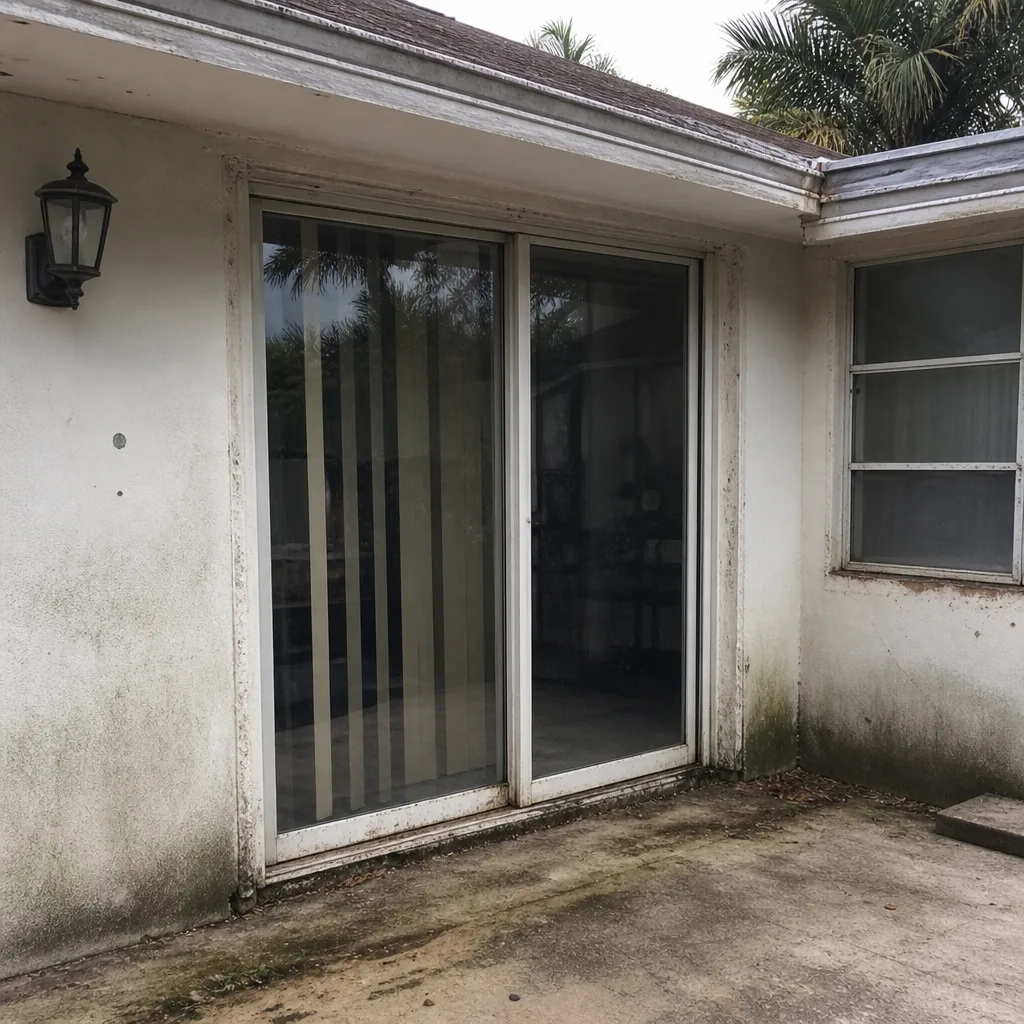 Before
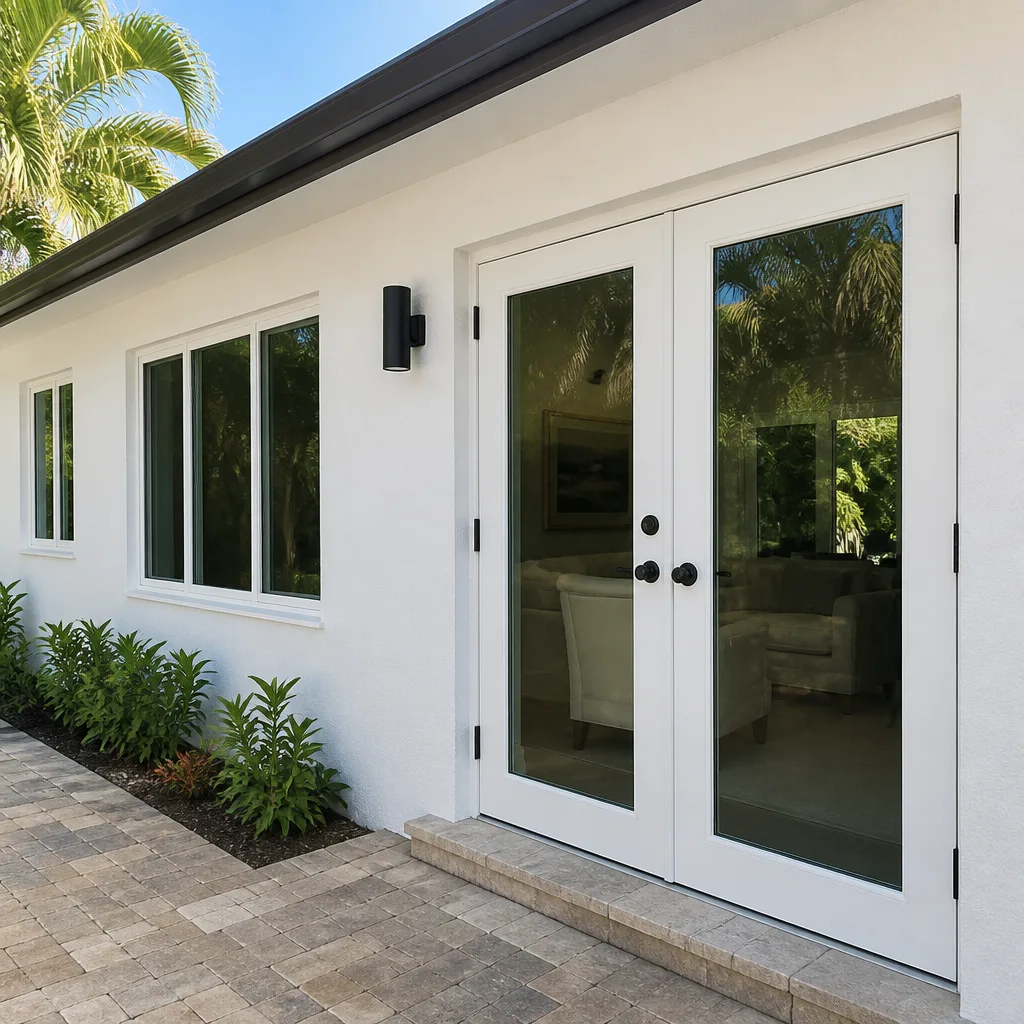 After
After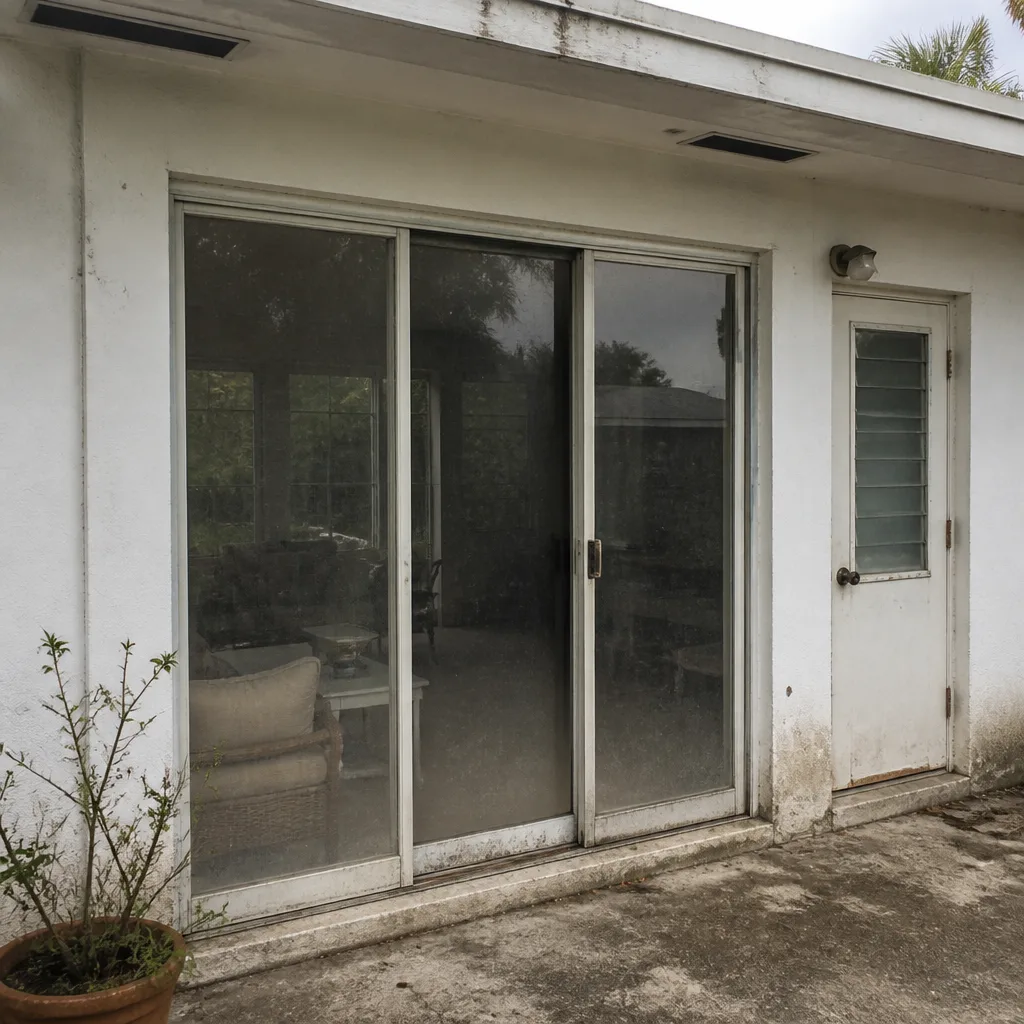 Before
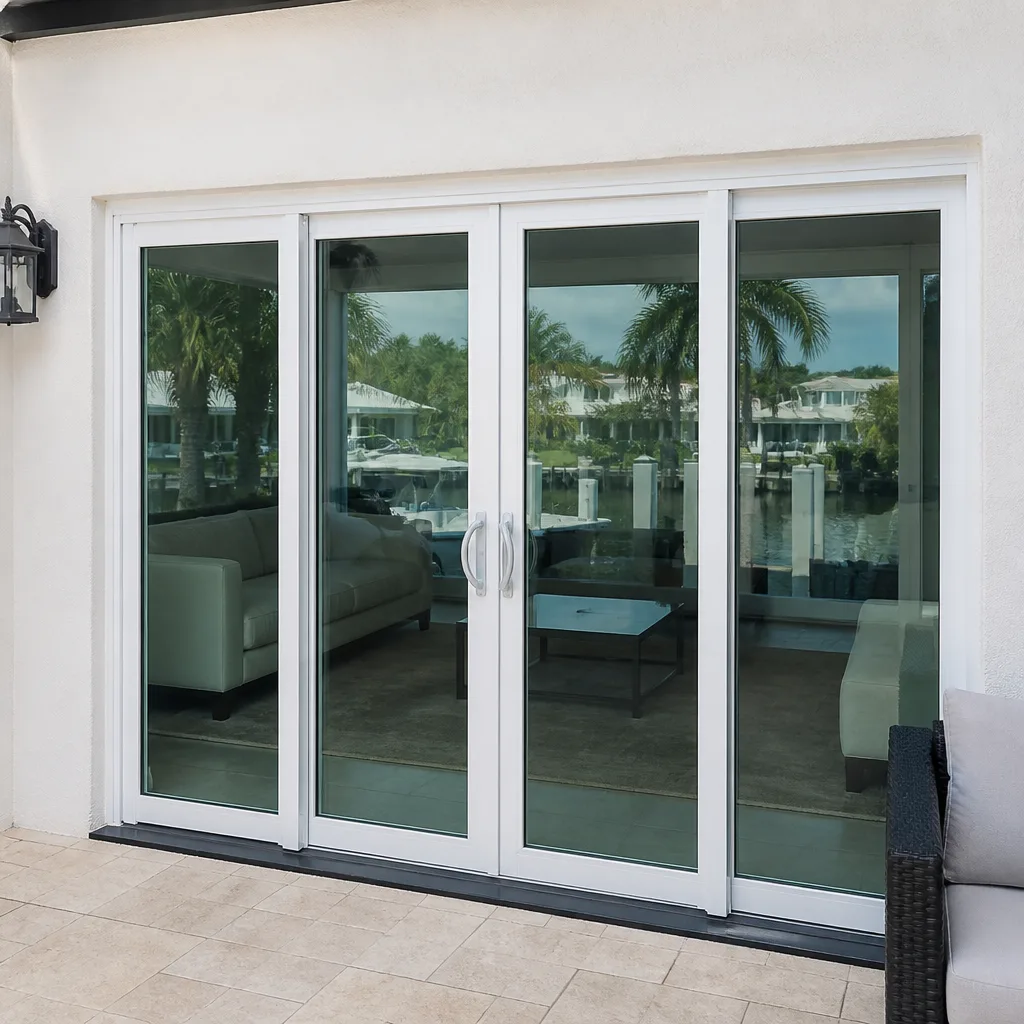 After
After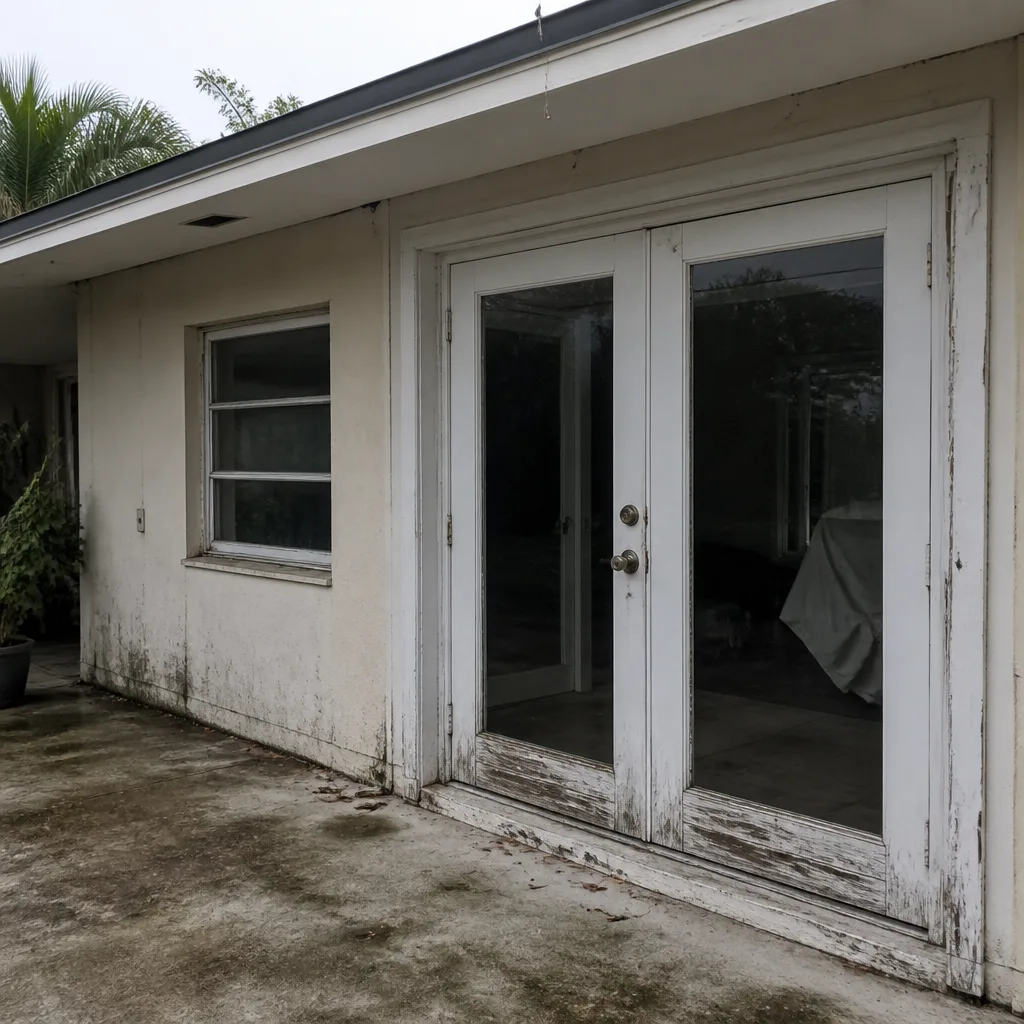 Before
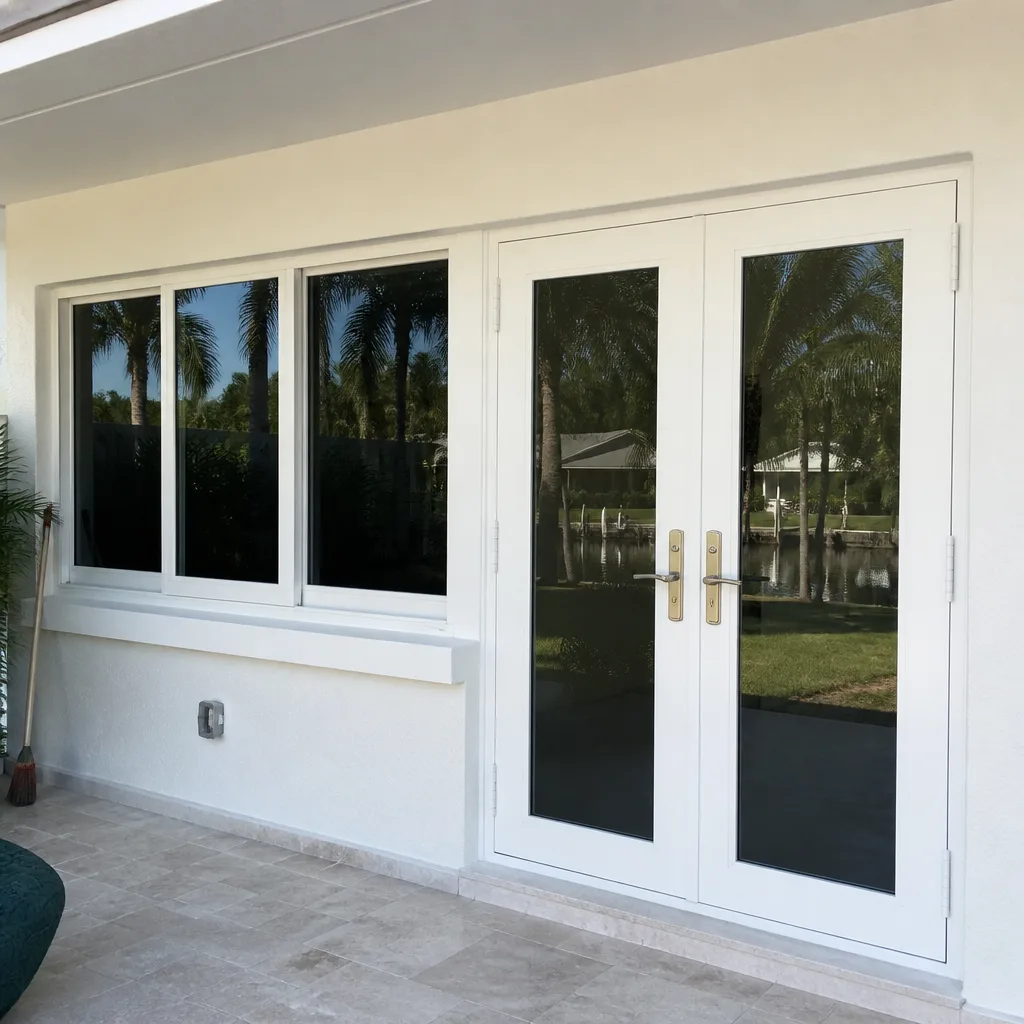 After
AfterLow-E & Argon Gas Glass in Fort Lauderdale, FL
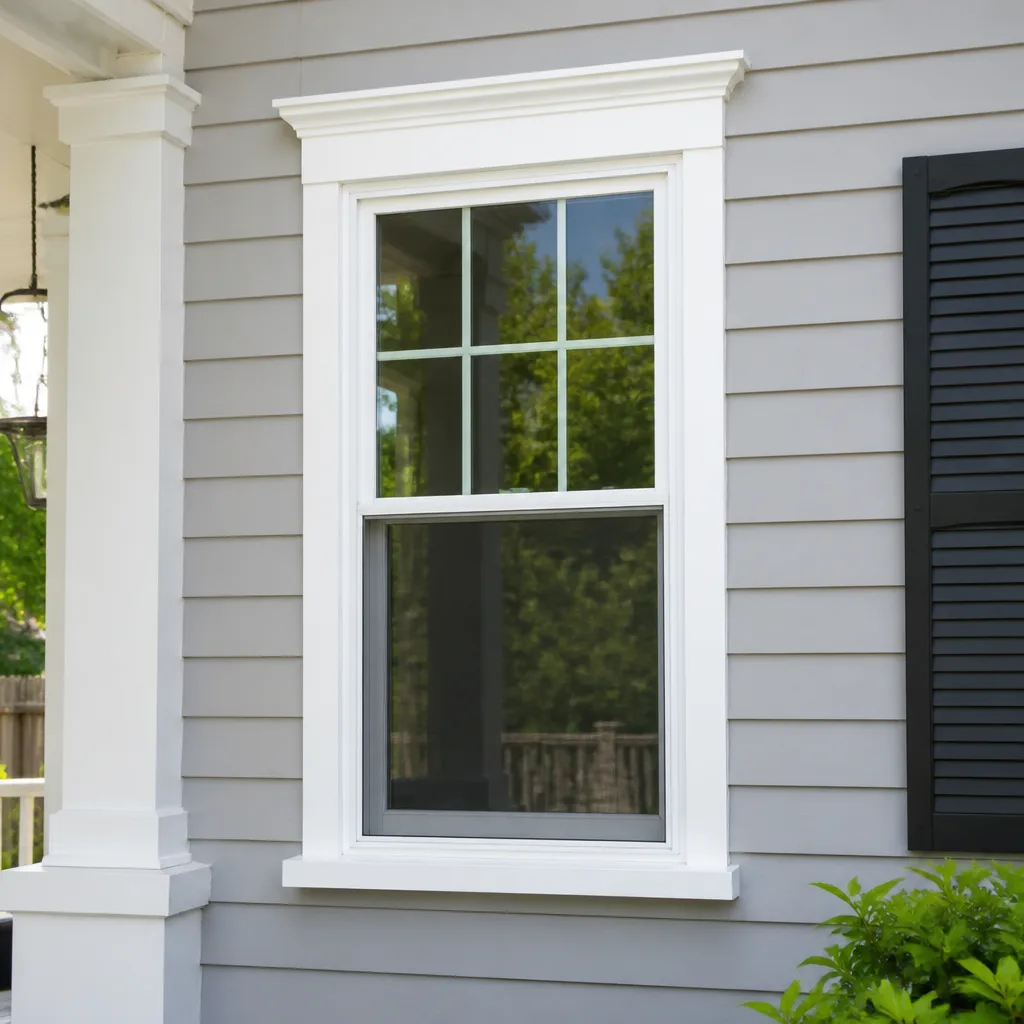
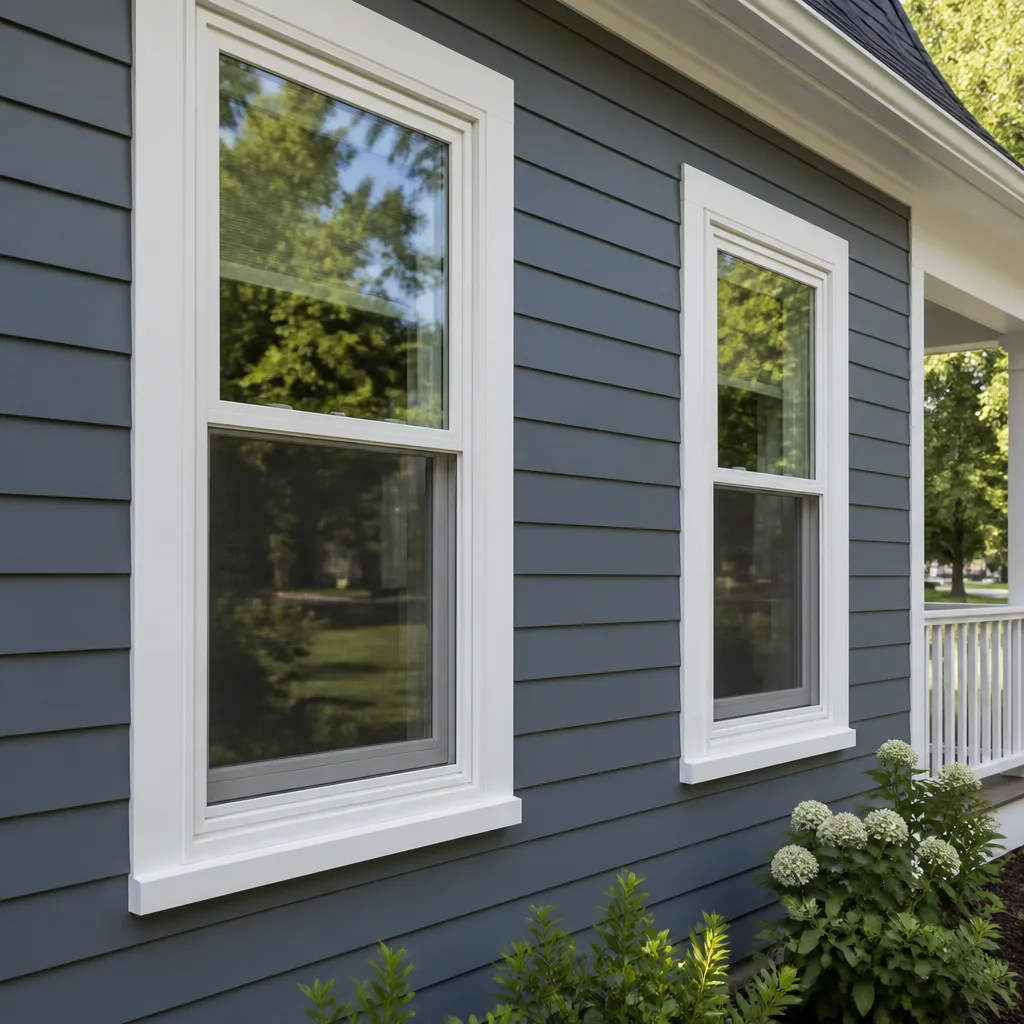
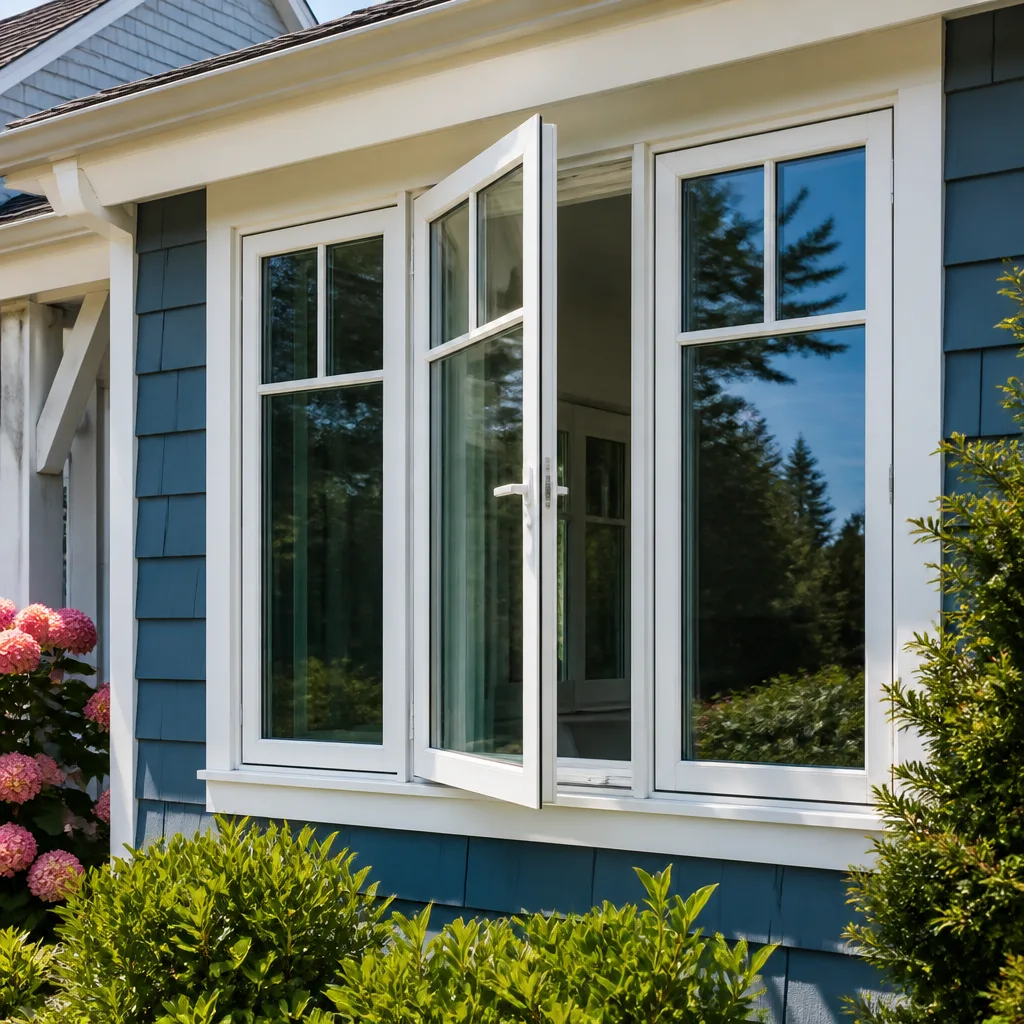
Low-E and argon gas glass is the combination that does the most real work inside an energy-efficient window. The Low-E coating – a microscopically thin metallic layer bonded to the glass surface – reflects solar heat and ultraviolet radiation before it can move through the pane, while argon gas fills the sealed space between panes and slows the transfer of heat that plain air lets pass. Together, in Fort Lauderdale’s climate, they can cut solar heat gain through a window by 40 to 70 percent compared to standard clear glass, which matters enormously when your air conditioner runs eight or nine months out of the year.
If your windows fog between the panes, feel warm to the touch in July, or your FPL bill climbs every summer despite everything else staying the same, the glass unit itself is probably the problem – not the thermostat setting, not the HVAC. Upgrading to Low-E argon-filled insulating glass is the fix that holds, and it’s the kind of work we’ve been doing for over 42 years at TruePane Windows & Doors as part of our Energy-Efficient Windows services.
We’re an authorized installer for manufacturer lines including CGI and ES Windows, both of which produce Low-E argon units built specifically for South Florida’s coastal exposure and high solar load. If you’d like to understand the full scope of what goes into an energy-efficient upgrade, our Energy-Efficient Windows in Fort Lauderdale page covers the broader picture. Or call us directly at (754) 310-3589 – a live person answers every call, seven days a week, around the clock.
When You Need Low-E & Argon Gas Glass
- Your windows are fogged or hazy between the panes. That milky film means the argon seal has failed and outside air – along with humidity – has gotten in. Once the seal breaks, the insulating performance of the unit drops off quickly, and no amount of cleaning fixes it from the inside.
- The room facing west or south is noticeably hotter than the rest of the house. In neighborhoods like Victoria Park and Coral Ridge, west-facing rooms without Low-E coating absorb afternoon sun with almost no resistance. That’s not an HVAC problem – it’s a glass problem.
- Your upholstery, wood floors, or artwork is fading faster than it should. Standard clear glass blocks very little UV radiation. Low-E coatings reject the majority of it at the surface, which is why rooms with properly spec’d glass hold their colors measurably longer – especially in Fort Lauderdale’s year-round sun exposure.
- Your windows are single-pane or were installed before 2005. Single-pane glass has essentially no thermal resistance. Windows installed in Fort Lauderdale before Florida’s energy code tightened significantly in the mid-2000s are prime candidates for a Low-E argon upgrade, either as a full-unit replacement or a glass-only swap where the frame is still sound.
- You’re preparing for a Florida Building Code or insurance inspection. Broward County inspectors and many Florida insurers now flag windows that don’t meet current energy performance minimums. Low-E argon glass is a standard part of meeting those thresholds, and we document every install with the specifications in writing.
- Your window feels cold to the touch in January or radiates heat in August. Glass that transmits temperature freely in either direction has lost – or never had – meaningful insulation. In Fort Lauderdale, heat gain is the bigger issue, but a window that cycles with outdoor temperature every day stresses the frame and the seal over time.
Our Low-E & Argon Gas Glass Process
- Site Assessment and Measurement. Every job starts with Dale’s technicians measuring every opening twice – not as a policy statement, but because a glass unit cut a sixteenth of an inch short will not hold its argon seal under thermal expansion. We note the frame condition, existing glazing compound, and any signs of prior moisture infiltration. Fort Lauderdale’s salt air accelerates frame corrosion in ways that aren’t always visible from the street, and we check for it before anything is ordered.
- Glass Specification and Side-by-Side Quoting. We pull the performance data sheets for the applicable manufacturer lines – in Fort Lauderdale that often means evaluating CGI or ES Windows units alongside one or two other options – and present the solar heat gain coefficient (SHGC), U-factor, and visible light transmittance for each on paper, side by side. You see exactly what you’re buying and exactly what it will cost. No bait-and-switch on specs.
- Custom Fabrication and Argon Fill Verification. The insulating glass units are fabricated to your exact opening dimensions. Argon fill is verified at the time of manufacture – reputable units ship with a documented fill percentage, typically 90 percent or better. We do not install units that cannot be verified, because unverified argon fill is one of the most common corners cut in this market.
- Old Unit Removal and Frame Preparation. We remove the existing glass unit, clear all old glazing tape and compound, and inspect the frame channel for corrosion, rot, or distortion. If the frame isn’t square, the new unit won’t seat properly and the argon seal will fail prematurely. We address frame issues before the new glass goes in, not after.
- Precision Installation and Seal Verification. The new Low-E argon unit is set with appropriate setting blocks to distribute load evenly, secured, and sealed to the frame with compatible glazing compound. We check every sight line and confirm the unit sits plumb and true before we move on. If the pane is not true, the job is not done – that’s the founding rule Dale Kessler put on the whiteboard in 2008, and it applies to every install that goes out of this company.
- Warranty Registration and Written Documentation. Before the truck leaves the driveway, both manufacturer warranty layers are registered in writing – the glass unit warranty and the installer warranty – with durations stated. That’s The Keystone Standard, and it applies to every job regardless of size. You get a copy, not a promise to mail one later.
Low-E & Argon Gas Glass Pricing in Fort Lauderdale
Low-E argon glass pricing in Fort Lauderdale varies based on unit size, glass configuration, Low-E coating type, and whether you’re replacing glass only or a full window unit with frame. The ranges below reflect what homeowners in Broward County typically pay in the current market for residential work:
| Scope of Work | Typical Price Range |
|---|---|
| Glass-only replacement, standard double-pane Low-E argon unit (per window, up to 36″x48″) | $280 – $520 |
| Glass-only replacement, larger or custom unit (48″x60″ and above) | $480 – $900 |
| Full window replacement with Low-E argon glass (standard size, vinyl or aluminum frame) | $650 – $1,400 per window |
| Full window replacement, impact-rated Low-E argon unit (CGI, ES Windows, or comparable) | $950 – $2,200 per window |
| Whole-home Low-E argon glass upgrade (8-12 windows, standard residential) | $5,500 – $16,000 |
Several things move the number within those ranges. The Low-E coating type matters: a standard Low-E2 coating costs less than a triple-silver Low-E3 unit, and the Solar & Tinted Glass Options performance difference is real – triple-silver coatings reject more heat, which in Fort Lauderdale’s solar environment often justifies the step up. Argon fill percentage matters too. A unit with a 90-percent-plus verified fill outperforms one that was filled and shipped without verification. Frame material affects labor time. Historic homes in areas like Rio Vista or Colee Hammock sometimes have frame configurations that require extra prep work.
Impact-rated Low-E argon units – the kind required or strongly advisable in Fort Lauderdale given Broward County’s hurricane exposure – carry a higher unit cost, but they consolidate two upgrades into one installation. You’re not paying for energy glass and then paying separately for impact compliance.
We offer $50 Off Any Repair Over $250, a permanent 5% discount for seniors and veterans, and upfront pricing on every job – no surprise line items when the invoice arrives. Call (754) 310-3589 for a free estimate. We’ll come to your home, measure the openings, and give you a written quote before anything is ordered.
FAQs – Low-E & Argon Gas Glass
What does Low-E glass actually do in a Fort Lauderdale home?
Low-E glass reflects solar infrared and ultraviolet radiation at the glass surface before it enters the room, reducing the heat load your air conditioner has to handle every day. In Fort Lauderdale’s climate, where the sun angle is high and air conditioning runs for the better part of the year, a properly spec’d Low-E unit with a low solar heat gain coefficient – typically 0.25 or below for south and west exposures here – can cut the solar energy entering a room by more than half compared to standard clear glass. It also provides UV-Blocking & Fade Protection that preserves flooring and fabric, which is a meaningful benefit in a city with Fort Lauderdale’s year-round sun. The coating is factory-applied to the glass surface and doesn’t wear off, degrade with cleaning, or need maintenance. Call (754) 310-3589 if you’d like us to walk you through the specific SHGC and U-factor numbers for your exposure and window sizes – estimates are free.
How long does argon gas last in a sealed window unit?
A properly manufactured and installed argon-filled insulating glass unit retains the majority of its argon fill for 20 years or more under normal conditions. The gas escapes slowly over time through the edge seal at a rate that quality manufacturers measure and publish; a well-made unit loses roughly one percent of its fill per year, which means after 20 years it still performs meaningfully better than air-filled glass. The failure mode to watch for is not slow diffusion but a broken seal – when the perimeter seal around the edge of the unit fails, argon escapes quickly and outside air and humidity replace it, causing the fogging between panes that homeowners notice. That seal failure is usually visible. If you’re seeing fog or haze between the panes of your windows in Fort Lauderdale, the unit needs replacement, not repair. Call us at (754) 310-3589 and we’ll take a look at no charge.
Can the glass be replaced without replacing the whole window frame?
Yes, in many cases the insulating glass unit can be replaced without touching the frame, which costs significantly less than a full window replacement. Whether this is the right approach depends on the condition of the frame, the age of the existing hardware, and whether the frame itself meets current energy and impact standards. In Fort Lauderdale, aluminum frames from the 1980s and 1990s often have thermally conductive profiles that undercut the performance of even a good Low-E argon unit – in those cases a full replacement makes more sense financially over a ten-year horizon. When we come out to measure, we assess the frame honestly and tell you which path we’d take if it were our own home. That’s been Dale Kessler’s standard since the company opened, and it hasn’t changed.
Does Low-E argon glass qualify for any Florida energy incentives or rebates?
As of early 2026, FPL and some Broward County municipalities offer rebate programs for qualifying energy-efficient window upgrades, and Low-E argon glass installed to Florida Energy Code standards typically qualifies. The federal residential energy efficiency tax credit – under Section 25C, last extended through 2032 – has historically covered a percentage of qualifying window costs, subject to annual caps and eligibility rules. We document the Window Energy Audits & Ratings performance specifications of every install in writing, which is the paperwork your accountant or utility company will need to file a claim. Tax and incentive eligibility is something to confirm with your tax professional since program rules change, but we make sure the installation documentation supports whatever claim you’re entitled to make. Call (754) 310-3589 and we can walk you through what we typically provide.
Why Fort Lauderdale Homeowners Choose TruePane
Fort Lauderdale’s combination of year-round solar intensity, salt air, and hurricane season creates a specific set of demands that a glass unit has to meet simultaneously. A Low-E coating spec’d for the Pacific Northwest doesn’t perform the same way here. An argon seal that holds in a dry climate may fail faster in South Florida’s humidity if the edge seal compound isn’t rated for it. These are the details that matter, and they’re the details that get missed when the person selling you the window doesn’t actually know the product line.
We’ve been doing this work in this community for over 42 years. ECO Window Systems and CGI both produce units designed with South Florida’s climate in mind, and we’ve installed enough of their product in neighborhoods from Lauderdale-by-the-Sea to Plantation to know how they perform in the field over ten and fifteen years – not just on the day of installation. When we recommend a unit, it’s because we’ve seen how it holds up, not because the manufacturer margin is favorable.
Every technician who comes to your home is background-checked and uniformed. They measure every opening twice. They quote manufacturer lines side by side on paper. And before the truck leaves your driveway, both warranty layers are registered in writing – the glass manufacturer’s warranty and our 90-Day Done Right Promise – with durations stated and no fine print that covers neither. That’s The Keystone Standard, and it applies whether the job is one window or a whole-house upgrade.
TruePane is also part of this community in a way that changes how we work. We sponsor county fairs and support church roof funds because we plan to be here in thirty years. The homeowner who calls us back in 2031 because a seal failed will talk to someone who remembers the job. That kind of accountability is worth something, and we build every install with it in mind.
For more on the full range of energy-efficient glass options we install across Broward County, visit our page on Energy-Efficient Windows in Fort Lauderdale. And if you’re ready to get a straight answer on what Low-E argon glass would cost for your specific windows, call (754) 310-3589. A live person will pick up.
Key Takeaways
- Low-E coatings reject solar heat and UV at the glass surface; argon gas slows heat transfer through the air gap between panes. Together they’re the most effective single upgrade for reducing cooling costs in Fort Lauderdale.
- Fog or haze between panes means the argon seal has failed and the unit needs replacement, not cleaning.
- Glass-only replacement is often possible and costs less than a full window replacement – worth assessing before assuming you need the whole unit.
- In Broward County, impact-rated Low-E argon units consolidate energy and hurricane compliance into a single installation.
- TruePane registers both manufacturer warranty layers in writing before leaving the driveway, and the 90-Day Done Right Promise covers workmanship with no paperwork fights.
- Seniors and veterans receive a permanent 5% discount; any repair over $250 qualifies for $50 off.
- Call (754) 310-3589 for a free in-home estimate – a live person answers every call.
Written by Dale Kessler, Owner at TruePane Windows & Doors, serving Fort Lauderdale.
Six Reasons Homeowners Choose TruePane Windows & Doors
Impact systems engineered to design pressures up to +/-100, matched to your wind zone - your openings hold when the storm arrives.
Low-E insulated impact glass from our manufacturer lines commonly cuts monthly cooling bills 20-30%.
Laminated impact glass shuts out up to 40% of outside noise - traffic, neighbors, weather.
Monitoring services run $30-90 a month. Laminated impact glass resists forced entry around the clock, with no subscription.
Florida homeowners average around 25% savings on the windstorm portion of their policy after protecting every opening - some homes qualify for more.
A full impact package upgrades curb appeal, buyer confidence and appraised value in one project.